
24/7 Customer Support

Free returns

Same-day & Next-day Delivery

Quality Guaranteed

Unlock Your Welcome Offers: FREE Delivery | Up to 80% OFF | Free 30-day JoyPlus trial
Download the APP
For any skilled tradesperson or serious DIY enthusiast, there's nothing more frustrating than a tool that fails mid-task. A bent shovel, a dull cutter or a snapped handle not only halts progress but can also be a safety hazard. Investing in reliable, heavy duty hand tools isn't a luxury; it's a necessity for getting the job done right, safely and efficiently.
This guide is designed to help you identify the features that matter most in durable tools. We'll look at materials, construction and design to help you select equipment that can withstand the demands of professional use and ambitious home projects.
Navigating the market for professional hand tools can be challenging. Here are a few key considerations to keep in mind to ensure you're purchasing equipment that offers genuine durability and performance.
The foundation of any heavy-duty tool is the material it's made from. Look for high-grade steels known for their strength and resilience.
A powerful tool is only effective if you can use it comfortably and safely. Ergonomic handles reduce fatigue during prolonged use, allowing for better control and precision. Also, look for built-in safety features, such as locking mechanisms on cutters, which prevent accidental injury and protect the blades during storage. These are crucial features for any workshop essentials.
Specialised tools are designed for a reason. Using a general-purpose tool for a heavy-duty task is a recipe for failure. Whether you're looking for cable installation tools or metal cleaning brushes, selecting a tool specifically designed for that application ensures greater efficiency and a longer lifespan for the tool itself.
Here are our recommendations for heavy-duty hand tools that exemplify the principles of robust construction and practical design.
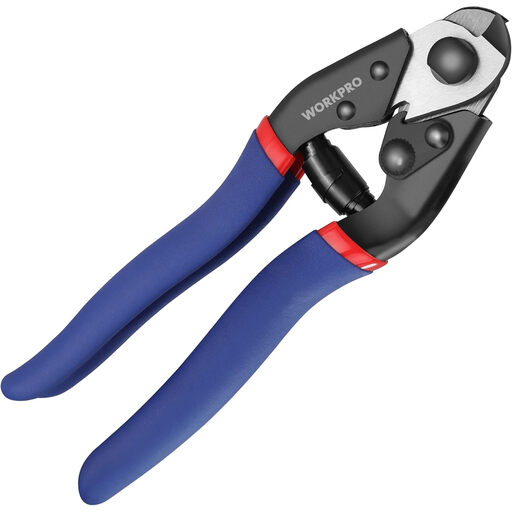
Why It Stands Out: This is a prime example of a purpose-built tool engineered for demanding cutting tasks. The construction from drop-forged and heat-treated Chrome Vanadium steel provides the strength needed to cut through tough materials without compromising the blade integrity. It’s a reliable choice for professionals and DIYers who need clean, precise cuts every time.
Pros:
Who is it for? Electricians, bicycle mechanics and general builders who frequently work with wire ropes, stainless steel cables and brake lines. It's also an excellent addition to any set of durable DIY tools for projects involving fencing or rigging.
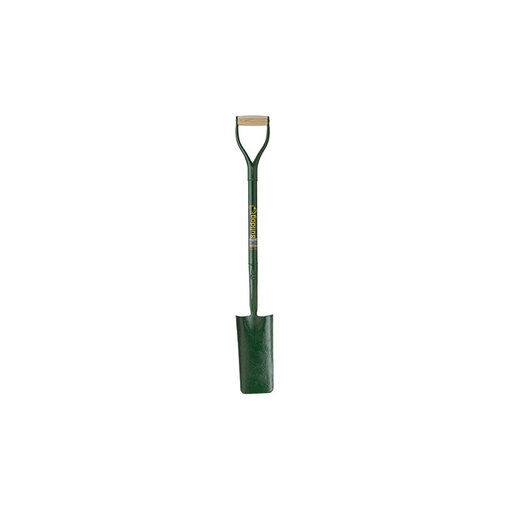
Why It Stands Out: The Bulldog shovel is a testament to the strength of single-piece construction. Forged from one piece of steel, it eliminates the common weak points found at the head and handle joint. Its narrow blade is specifically designed for digging trenches for cables, making it one of the most efficient groundwork tools for that purpose.
Pros:
Who is it for? Landscapers, electricians and groundskeepers tasked with laying underground cables or irrigation lines. It's also a robust tool for any homeowner needing to dig narrow, precise trenches in tough soil like clay.

Why It Stands Out: While not a traditional heavy-duty tool in the sense of a shovel or cutter, this brush set is built for tough cleaning jobs where standard brushes would fail. The inclusion of stainless steel and copper-plated steel bristles makes it perfect for aggressive cleaning tasks like removing rust, paint and corrosion from metal surfaces.
Pros:
Who is it for? Automotive mechanics, metalworkers and maintenance professionals who need reliable metal cleaning brushes. It's also a highly practical set for homeowners looking to tackle tough cleaning jobs on tools, garden equipment and outdoor furniture.
Equipping your workspace goes beyond just hand tools. Having the right consumables is equally important for completing your projects. If your work involves securing, rigging or fabricating with metal, ensuring you have a supply of high-quality steel wire is essential. Explore our selection to find the right gauge and type for your needs.
A "heavy duty" designation typically refers to a tool's construction and materials. Key indicators include being made from high-strength alloys like forged steel or Chrome Vanadium (CR-V), having a robust build (e.g., single-piece forging) and being designed to withstand high levels of force, impact and wear without failing.
Forging involves shaping metal while it is solid using intense pressure, which aligns the metal's grain structure and makes it incredibly strong and resilient. Casting involves pouring molten metal into a mould. While simpler, casting can leave the tool more brittle and prone to cracking under stress. For tools that take a lot of impact, like shovels or hammers, forged is almost always the more durable option.
Proper maintenance is key to longevity. After each use, clean your tools to remove dirt, debris and moisture. For cutting tools, keep the blades sharp and lightly oiled to prevent rust. Store tools in a dry environment. For tools with moving parts, like the WORKPRO cutters, periodically apply a drop of oil to the pivot point to ensure smooth operation.