
24/7 Customer Support

Free returns

Same-day & Next-day Delivery

Quality Guaranteed

Unlock Your Welcome Offers: FREE Delivery | Up to 80% OFF | Free 30-day JoyPlus trial
Download the APP
As a Joybuy Product Recommendation Officer, my role is to help you navigate the crowded shelves and find products that genuinely deliver. The world of herbal tea is a perfect example—a space filled with appealing packaging and promising claims. While a warm, fragrant cup can be a wonderful part of a daily wellness routine, it's easy to choose a product that doesn't quite match its marketing.
Many shoppers find themselves disappointed by a weak flavour or a blend that doesn't live up to its "functional" name. Before you buy your next box, let's look at a few common pitfalls to avoid.
sleep tea or digestion tea can sometimes rely more on the power of suggestion than on their ingredients. If the key herbs are listed last, their concentration may be too low to be noticeable.To ensure your purchase meets your expectations, focus on a few key details on the packaging. These objective markers cut through the marketing and tell you what's actually inside the tea bag.
Ingredients are always listed by weight, from highest to lowest. This is the single most important clue to the tea's character. If you're buying a peppermint tea, "Peppermint" should be the first, if not only, ingredient. For a blend like lemon and ginger tea, check that ginger root and lemon peel appear high on the list, not after fillers like apple pieces or hibiscus. A high percentage of the named herb is a good sign of quality and authentic flavour.
You will often see "Natural Flavourings" on the list. This is a broad term for flavouring substances obtained from natural sources. While perfectly safe, a tea that relies heavily on flavourings will taste different from one made with whole or cut herbs, roots and flowers. For a more authentic and robust experience, look for blends that prioritise the actual plant parts, such as ginger root, chamomile flowers or peppermint leaves.
The rise of functional tea has led to blends with added vitamins and minerals. Unlike vague wellness claims, these additions come with legally approved health contributions. For example, a Twinings Superblends tea might state that it contains Vitamin B6, which "contributes to the regulation of hormonal activity," or Zinc, which "contributes to normal carbohydrate metabolism." These are specific, verifiable statements that add a tangible dimension to your wellness tea.
Based on these criteria, here are a few herbal teas suited to different needs and preferences.

Why This Fits Their Persona: Ideal for those seeking a soothing, affordable calming tea to incorporate into a nightly wind-down ritual. The sweet raspberry and floral notes make it a pleasant and accessible choice for ending the day.
This blend avoids the "functional fa?ade" by clearly stating the percentages of its key active herbs: Passionflower (53%) and Valerian Root (6%). This transparency shows the primary ingredients are present in significant amounts.
Includes added Niacin (Vitamin B3), which contributes to normal psychological function, providing a verifiable benefit to support its "Sweet Dreams" purpose.
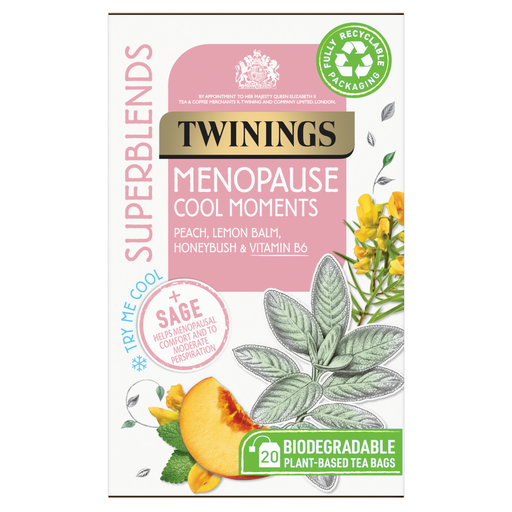
Why This Fits Their Persona: Specifically designed for those looking for support during a particular life stage. This user values targeted solutions and is looking for a functional tea that goes beyond generic relaxation.
It avoids vague wellness promises by including Vitamin B6, which the brand states contributes to the regulation of hormonal activity. It also quantifies its key herb, Sage (17%), which is traditionally associated with menopausal comfort.
A purpose-built blend that combines traditional herbs with a scientifically supported vitamin. The peach and honeybush flavour makes it a pleasant, refreshing drink.
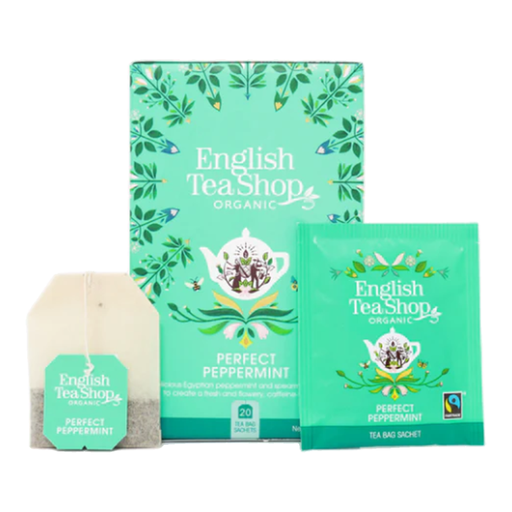
Why This Fits Their Persona: This shopper prioritises simplicity and ingredient quality. They prefer organic tea bags and want an unadulterated product without flavourings, additives or complex blends.
It completely avoids the flavouring trap. The ingredients are simply Organic Peppermint (70%) and Organic Spearmint (30%). The "organic" label is backed by a clean, straightforward ingredient list that delivers exactly what it promises.
Certified organic and packaged in compostable tea bags, it aligns with an eco-conscious lifestyle. The blend of two mints provides a smooth, rounded flavour.
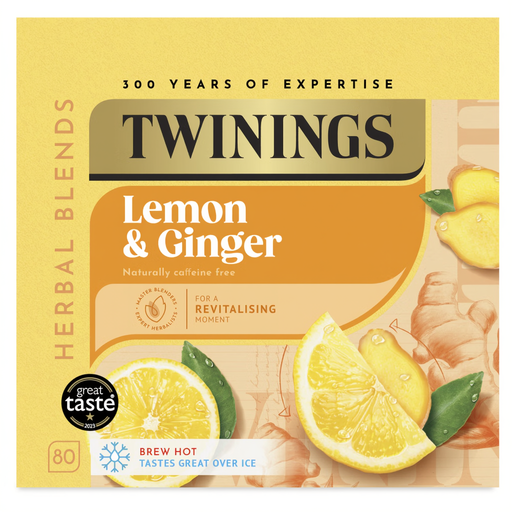
Why This Fits Their Persona: This person reaches for a classic, warming digestion tea after meals or for general comfort. They value a strong, authentic flavour and appreciate the convenience and value of a large pack for regular use.
It sidesteps the flavouring trap by making Ginger Root (37%) the primary ingredient. This ensures the characteristic warmth and spice are genuine, not just an imitation from flavourings, which play a secondary role here.
The high percentage of real ginger provides the authentic, warming flavour many seek for digestive comfort. The 80-bag pack offers excellent value for daily drinkers.
We have compiled a complete, real-time list of products that fully satisfy these strict selection criteria and UK safety regulations.
Generally, no. True herbal teas are infusions made from herbs, spices, fruits and flowers, making them a naturally caffeine-free tea. However, it is always wise to check the ingredients list. Some "wellness" blends, particularly those aimed at metabolism or energy, may include green tea, which does contain caffeine.
Steeping time and water temperature are crucial. Most herbal teas benefit from freshly boiled water and a steeping time of 3-5 minutes. For blends containing dense roots (like ginger or valerian) or delicate flowers (like chamomile), it helps to cover your cup while it steeps. This traps the aromatic volatile oils, resulting in a much richer and more flavourful brew.
While many sleep tea blends contain ingredients like chamomile, passionflower and valerian root, which are traditionally used to promote relaxation, they are not medicinal products. Their effects can vary significantly from person to person. They are best viewed as a supportive element of a relaxing bedtime routine—like dimming the lights or putting away screens—rather than a direct cure for insomnia.