
24/7 Customer Support

Free returns

Same-day & Next-day Delivery

Quality Guaranteed

Unlock Your Welcome Offers: FREE Delivery | Up to 80% OFF | Free 30-day JoyPlus trial
Download the APP
As a Joybuy Product Recommendation Officer, my role is to help you navigate the crowded shelves and find products that deliver genuine value. A well-stocked spice rack is the foundation of a flavourful kitchen, but not all herbs, spices and seasonings are created equal. Many UK shoppers find themselves with jars of lacklustre powders and blends that fail to deliver on their promise. Before you make your next purchase, let’s look at the common pitfalls to avoid.
To ensure your money is well spent and your meals are full of flavour, focus on these two non-negotiable factors. They are the simplest way to distinguish a quality product from a disappointing one.
Always read the ingredient list. It is your most reliable guide to what is actually inside the jar. In the UK, ingredients must be listed in descending order of weight.
The way a spice is packaged directly impacts its shelf life and potency. The goal is to protect the contents from the elements.
Instead of a generic list, we have matched some standout options to the specific needs of different UK home cooks.
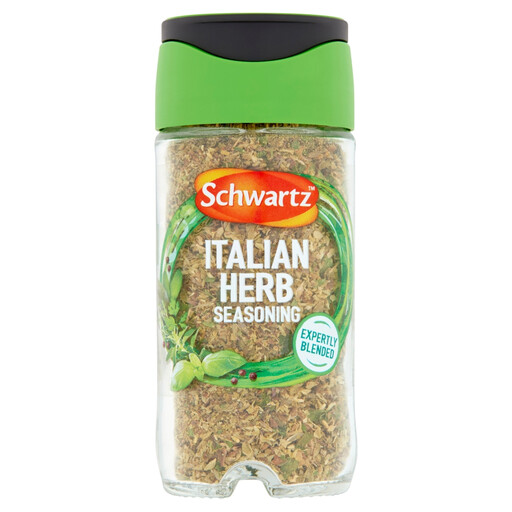
Why This Fits Their Persona: This is a workhorse for the busy UK kitchen. It's a versatile, reliable Italian herb blend perfect for quickly adding flavour to weeknight pasta sauces, roast chicken or vegetables without needing to measure out multiple individual herbs.
It directly counters the filler trap. The ingredients are a pure mix of seven herbs, with no salt, sugar or flour. The glass jar with a secure lid also protects against flavour loss.
A balanced, convenient blend of oregano, thyme, rosemary, basil and more. The large 55g jar is practical for regular use.
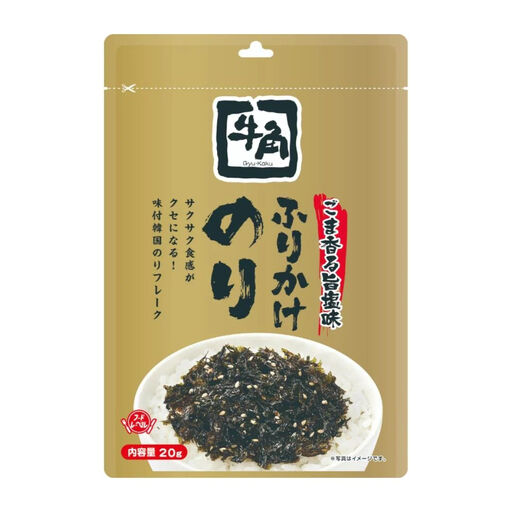
Why This Fits Their Persona: For the cook eager to explore authentic world food spices, this Japanese furikake is a perfect discovery. It provides a specific, restaurant-inspired flavour that's ideal for elevating rice, noodles and salads beyond the everyday.
This avoids the "authentic impostor" trap by being a genuine product of Japan with specific, high-quality ingredients like Korean-style seaweed and roasted sesame, not a generic "Asian" blend.
Delivers the signature umami-rich flavour of the Gyu-Kaku restaurant chain. It's a simple way to add a complex, savoury and nutty profile to meals.
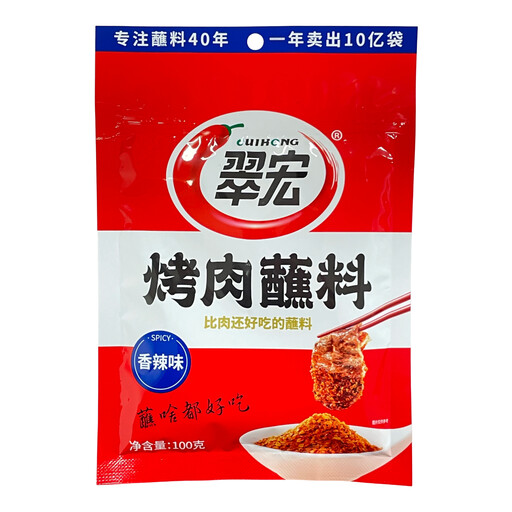
Why This Fits Their Persona: This is for the grill master looking for a bold and spicy BBQ seasoning. It's a classic Sichuan-style dry rub that can be used for grilling or as a dipping powder, offering a different flavour profile from typical sweet, smoky American-style rubs.
The first ingredients are Chilli, Sesame, Soybean and Peanut, demonstrating its focus on flavourful spices and ingredients rather than cheap fillers like salt or sugar.
Provides a rich, aromatic and spicy flavour profile from a scientific blend of chilli and cumin. It's highly versatile for use as a dry dip or cooking seasoning.
We have compiled a complete, real-time list of products that fully satisfy these strict selection criteria and UK safety regulations.
While dried spices don't "spoil" in the traditional sense, they do lose their potency over time. As a general rule, ground spices are at their peak for about 6-12 months, while whole spices can last for 2-3 years. The key is proper storage: keep them in airtight containers in a cool, dark place like a cupboard, away from the steam of the hob or the light of a windowsill. If a spice has lost its vibrant colour and no longer has a strong aroma when you rub it between your fingers, it's time for a replacement.
This depends on the balance you prefer between convenience and flavour. Ground spices are convenient and ready to use, making them ideal for quick, everyday cooking. Whole spices (like peppercorns, cumin seeds or cloves) retain their aromatic oils for much longer. Grinding them just before use releases a significantly more vibrant and potent flavour. For the most impactful taste in special dishes, buying whole is often worth the small extra step.
In culinary terms, the distinction is quite simple. Herbs typically come from the leafy green parts of a plant (like basil, oregano, thyme and parsley). Spices are usually derived from other parts of the plant, such as the seeds (cumin, coriander), bark (cinnamon), roots (ginger, turmeric) or flower buds (cloves). Both are essential for adding layers of flavour and aroma to your cooking.