
24/7 Customer Support

Free returns

Same-day & Next-day Delivery

Quality Guaranteed

Unlock Your Welcome Offers: FREE Delivery | Up to 80% OFF | Free 30-day JoyPlus trial
Download the APP
As a Joybuy Product Recommendation Officer, my role is to help you navigate the crowded aisles—both physical and digital—to find products that genuinely deliver. When it comes to stocking your pantry with herbs and spices for cooking, it’s easy to end up with a rack full of jars that offer little more than coloured dust. Let's cut through the clutter and look at what really matters, ensuring every pinch you add brings flavour, not disappointment.
Many of us have fallen into a few common traps when we buy spices online in the UK or from a supermarket shelf. Before you add anything to your basket, be aware of these pitfalls:
To avoid these issues, focus on a few core parameters. This will help you build a collection of high-quality, flavourful herbs and spices that elevate your meals.
The format of the herb or spice dictates its flavour profile and ideal use.
Always read the label. For a single spice like ground cumin, the ingredient list should simply read "Ground Cumin (100%)". For seasoning blends, check the order of ingredients. If salt or flour is listed first, you are likely buying a filler-heavy product. A quality blend will list the herbs and spices first, ensuring you are paying for flavour, not bulk.
Based on these practical criteria, here are a few recommendations tailored to different types of home cooks in the UK.
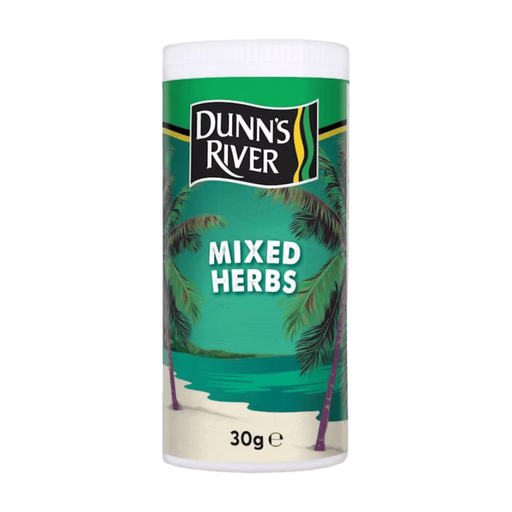
Why This Fits Their Persona: This is a versatile, no-fuss blend for the busy home cook. It's perfect for adding a foundational savoury, herbaceous flavour to weekday staples like cottage pie, pasta sauces, soups and roast chicken without needing to measure out multiple individual herbs.
It sidesteps the "mostly salt" pitfall. While it contains salt for seasoning, the primary ingredients are a balanced mix of dried parsley, thyme, rosemary and other herbs, ensuring you get genuine aromatic flavour, not just saltiness.
A convenient, all-in-one seasoning that saves time and pantry space. The blend is specifically balanced for a wide range of everyday British and European dishes.
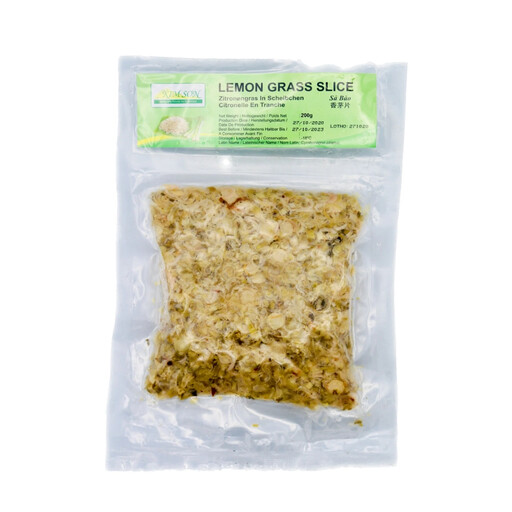
Why This Fits Their Persona: For anyone serious about cooking authentic Thai or Vietnamese food, fresh lemongrass is non-negotiable. This frozen product provides that bright, citrusy and slightly floral aroma that dried versions simply cannot replicate. It's perfect for curries, soups and marinades.
This directly solves the "wrong format" problem. While dried lemongrass has its uses, it lacks the vibrant essential oils of fresh. This frozen product locks in that fresh character, ensuring your Southeast Asian dishes taste authentic.
Offers the flavour of fresh lemongrass with the long-term storage convenience of a frozen product. The pre-sliced format saves significant preparation time.
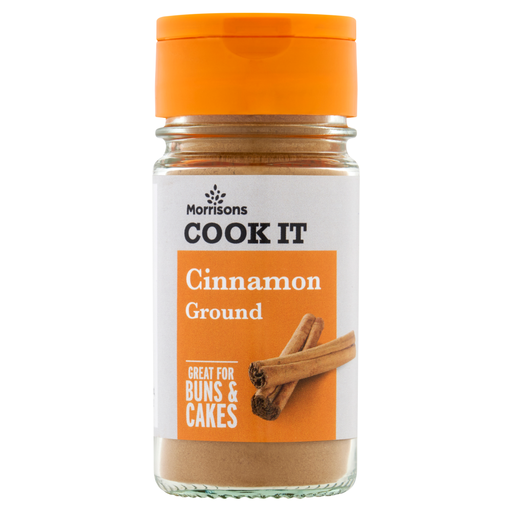
Why This Fits Their Persona: For anyone who enjoys baking, a reliable ground cinnamon is essential. This product is ideal for classic recipes like apple crumble, cinnamon rolls and gingerbread, as well as for dusting over porridge or a morning latte. It provides that quintessential sweet, woody warmth.
It avoids the "stale flavour" trap by being a pure, 100% ground cinnamon product. The description notes its fine, uniform powder texture, which is a sign of quality grinding and ensures it blends seamlessly into batters and doughs without clumping.
A single-ingredient, foundational baking spice. The fine grind is specifically suited for baking applications where even distribution is critical for flavour and texture.
We have compiled a complete, real-time list of products that fully satisfy these strict selection criteria and UK safety regulations.
While they don't "spoil" in the traditional sense, they do lose their flavour. As a general rule for a well-stocked pantry:
It depends on your priorities. Ground spices offer unbeatable convenience. However, for the most intense flavour, whole spices are superior. Grinding them yourself just before cooking releases the maximum amount of aromatic oils. If you frequently cook dishes that rely on the potent flavour of spices like cumin or coriander, investing in a small, inexpensive spice grinder can make a noticeable difference to your meals.