
24/7 Customer Support

Free returns

Same-day & Next-day Delivery

Quality Guaranteed

Unlock Your Welcome Offers: FREE Delivery | Up to 80% OFF | Free 30-day JoyPlus trial
Download the APP
As a Joybuy Product Recommendation Officer, my role is to help you navigate the crowded marketplace. Many of us are looking beyond the kitchen and incorporating olive oil into our wellness routines, drawn by reports of its natural antioxidant properties. However, with so many labels and claims, it can be difficult to distinguish a standard cooking oil from one that offers a higher concentration of beneficial compounds.
This guide is designed to clarify what makes a high polyphenol olive oil different and to help you identify a product that aligns with your health and culinary goals. We will look at key indicators of quality and review a few standout options available in the UK.
Making an informed choice is simpler when you know what to look for. Here are a few practical tips to consider during your search.
Polyphenols are a group of naturally occurring olive oil antioxidants. The concentration of these compounds is typically highest when olives are harvested before they are fully ripe. This is known as early harvest olive oil. These green, unripe olives produce less oil, but the oil they do yield is often richer in polyphenols like oleocanthal, which contributes to a characteristic peppery sensation at the back of the throat. A pungent, slightly bitter and peppery taste is often a good indicator of a fresh, polyphenol-rich oil.
The olive's variety and its growing location (terroir) significantly impact its chemical profile. Certain varieties, such as Koroneiki olive oil from Greece, are naturally high in polyphenols. Look for products that specify a single origin or even a single estate. Designations like Protected Geographical Indication (PGI) or Protected Designation of Origin (PDO) are EU quality schemes that guarantee the product was produced, processed and prepared in a specific geographical area, ensuring authenticity and adherence to high standards.
While all extra virgin olive oil is versatile, those with exceptionally high polyphenol counts are often considered for their functional properties, sometimes referred to as medicinal grade olive oil. To get the most from their delicate compounds, it is often recommended to consume them raw—drizzled over salads, stirred into soups after cooking, or even taken by the spoonful. Using these premium oils for high-heat frying can degrade the very compounds that contribute to their value and potential role in supporting olive oil for heart health.
Here are our recommendations, selected to suit different preferences and purposes.
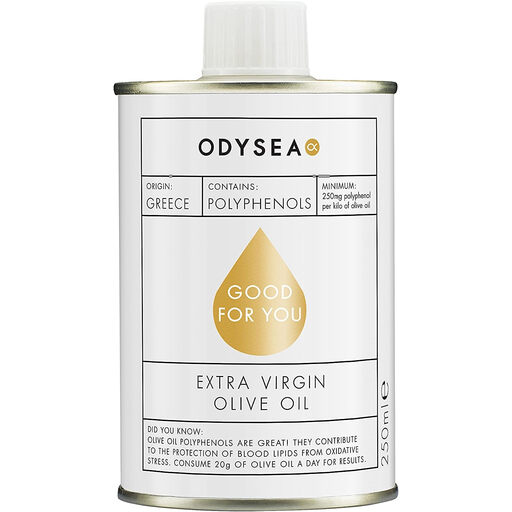
Why It Stands Out This oil is specifically produced to maximise its antioxidant content. It is cold-pressed from early harvest Koroneiki olives grown in the PGI region of Chania, Crete. The brand guarantees a minimum polyphenol content of 250mg per kilogram until the best-before date, providing a clear metric for those seeking a potent product. According to Odysea, a daily serving of 20g (around 1.5 tablespoons) contributes to the protection of blood lipids from oxidative stress. Its quality is also recognised by a Great Taste Award.
Pros
Who is it for? This is an ideal choice for health-conscious individuals actively seeking a functional oil for their daily wellness routine and who appreciate the robust, pungent flavour characteristic of a high-polyphenol product.
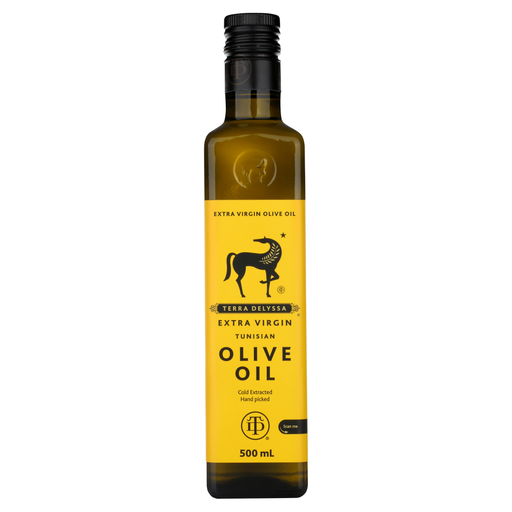
Why It Stands Out Terra Delyssa offers exceptional quality with complete transparency. This superior category extra virgin olive oil is a single-origin product from Tunisia, made from hand-picked olives and cold-extracted to preserve its quality. It boasts full farm-to-fork traceability, allowing you to follow its journey. Its quality was recognised with a Gold Award at the 2025 London International Olive Oil Competition, a verifiable mark of its standing.
Pros
Who is it for? This is a great option for those who want a high-quality, reliable and traceable extra virgin olive oil for general culinary use, from drizzling on salads to gentle cooking and baking.
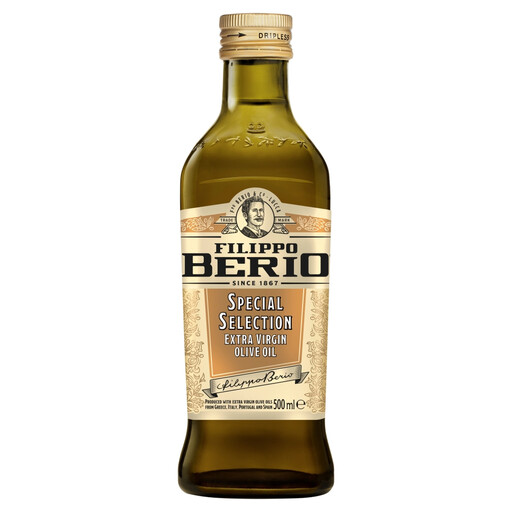
Why It Stands Out Drawing on a legacy that dates back to 1867, Filippo Berio is a name many recognise. This Special Selection is a blend of extra virgin olive oils crafted to deliver a consistently smooth and fruity flavour profile. It is specifically designed for finishing dishes, where its delicate character can be appreciated without being overpowering. It is a superior category olive oil obtained solely by mechanical means.
Pros
Who is it for? This oil is well-suited for consumers who prefer a less intense, non-bitter extra virgin olive oil and value the consistency and heritage of a long-standing brand. It is an excellent finishing oil for those new to exploring different olive oil profiles.
If these selections aren't quite what you're looking for, or if you wish to compare a wider variety of origins and flavour profiles, our full collection offers something for every palate.
Browse our full range of olive oil to find your perfect match.
1. What does high polyphenol olive oil taste like? A high-quality, polyphenol-rich olive oil typically has a complex flavour profile that is often described as pungent, grassy and slightly bitter, with a distinct peppery finish that can create a mild stinging sensation in the throat. This peppery kick is widely considered a hallmark of freshness and high antioxidant content.
2. Can you cook with high polyphenol olive oil? While you can use it for very gentle, low-heat cooking, it is generally not recommended for frying or roasting. The delicate polyphenol compounds and nuanced flavours are sensitive to heat and will degrade at high temperatures. To retain its properties, it is best used raw as a finishing oil, in dressings, for dipping or taken on its own.
3. How should I store olive oil to protect its antioxidants? To preserve the quality and antioxidant content of your olive oil, store it in a cool, dark place away from direct sunlight and heat sources like your hob. Always ensure the cap is sealed tightly to minimise exposure to oxygen, which can cause the oil to go rancid. There is no need to refrigerate it; in fact, this can cause it to solidify and may lead to condensation, which is not ideal for the oil's longevity.