
24/7 Customer Support

Free returns

Same-day & Next-day Delivery

Quality Guaranteed

Unlock Your Welcome Offers: FREE Delivery | Up to 80% OFF | Free 30-day JoyPlus trial
Download the APP
Finding genuinely healthy snacks can feel like navigating a minefield of marketing claims. You want something that supports your fitness goals or busy lifestyle, but the supermarket aisles are filled with options that promise much and deliver little. As the Joybuy Product Recommendation Officer, my role is to help you see past the hype and make informed choices. Let's break down how to find high protein low sugar snacks that are actually worth your money.
Many of us have been caught out by snacks that seem healthy on the surface. Before you buy, be aware of these common traps that can derail your diet and waste your budget.
fitness food.To avoid these traps, focus on two key areas of the product label. This is where the real information lies.
Always check the nutritional information, paying attention to both the per 100g and per serving columns. This allows for a fair comparison between products.
high protein bar, a figure of 15-20g or more is a strong indicator of a quality product designed for post-workout recovery or significant hunger control.diet snacks and bars achieve figures as low as 1-2g per serving, making them excellent choices for a low-carb lifestyle.low carb snacks diet, pay attention to the total carbohydrate figure, not just the sugar. Note the "of which polyols" line; if this number is high, be mindful of the potential for digestive issues mentioned earlier.The ingredients are listed in order of weight, so the first few items make up the bulk of the product.
Based on these practical criteria, here are some recommendations tailored to different needs and lifestyles.
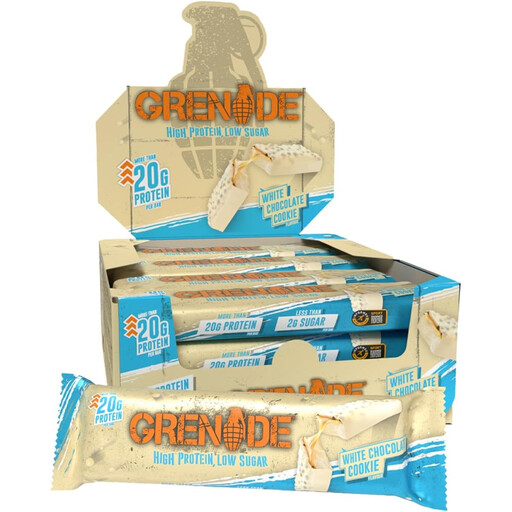
Why This Fits Their Persona: This individual needs a substantial protein hit post-workout to aid muscle recovery. The Grenade Carb Killa range is a staple in the UK fitness community for its high protein content and dessert-like flavours that satisfy cravings without compromising a strict diet plan.
It avoids the "protein window dressing" trap by delivering a massive 23g of protein per 60g bar, with milk protein as a primary ingredient. The sugar content is genuinely low at just 1.7g per bar.
Excellent protein-to-calorie ratio. The multi-layered texture and rich flavour make it a satisfying treat, not just a functional bar.

Why This Fits Their Persona: This person wants a healthier alternative to the standard office biscuits. They aren't looking for a heavy protein bar, but a tasty, crunchy, no added sugar biscuit that pairs well with a cup of tea and doesn't lead to a 3pm sugar crash.
It sidesteps the "healthy halo" by being transparent. It's a biscuit, not a protein supplement. Its "no added sugar" claim is backed by an impressively low 1.0g of sugar per 100g, well within the official guidelines.
High in fibre from oats, which promotes satiety. The dark chocolate and ginger flavour provides a sophisticated taste that feels like a proper treat.
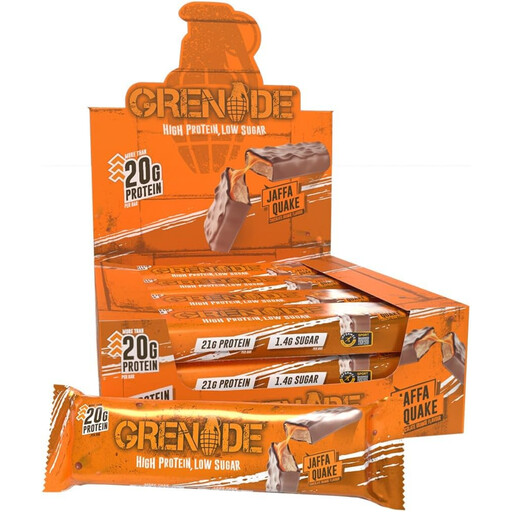
Why This Fits Their Persona: Diet fatigue is real. This person needs exciting flavours to stay motivated. The Jaffa Quake flavour mimics a beloved UK classic, offering a hit of nostalgia and flavour that prevents them from reaching for the high-sugar original.
It delivers a complex, satisfying dessert flavour without the sugar load. With 21g of protein and only 1.4g of sugar per bar, it's a functional food that actively supports dietary goals, rather than being a source of empty calories.
The unique chocolate-orange flavour profile is a standout in the market. It provides a genuine `on-the-go protein` boost that feels indulgent.
We have compiled a complete, real-time list of products that fully satisfy these strict selection criteria and UK safety regulations.
This is a very common issue and is usually caused by sugar alcohols (polyols) like maltitol, xylitol or sorbitol. These sweeteners are not fully absorbed by the body, and when they reach the large intestine, they can ferment and draw in water, leading to bloating, gas and a laxative effect in sensitive individuals. If you experience this, check the ingredients list for ingredients ending in "-ol" and consider trying a bar that uses a different sweetener like stevia or sucralose, or one with a lower polyol content.
They can be a very effective tool within a weight management plan. The high protein content helps to increase feelings of fullness (satiety), which can reduce overall calorie intake by preventing overeating. It also helps preserve lean muscle mass during a calorie deficit. The low sugar content helps to manage blood sugar levels and avoid the energy crashes that lead to more snacking. However, they are not a magic solution and must be consumed as part of a balanced, calorie-controlled diet.
While convenient for an emergency, most protein bars are best viewed as a snack or supplement, not a complete meal replacement. A balanced meal contains a wide array of vitamins, minerals and fibre that most bars cannot replicate. Regularly replacing whole-food meals with bars could lead to nutritional gaps. They are perfect for on-the-go protein supplementation after a workout or to tide you over between meals, but should not be the foundation of your diet.