
24/7 Customer Support

Free returns

Same-day & Next-day Delivery

Quality Guaranteed

Unlock Your Welcome Offers: FREE Delivery | Up to 80% OFF | Free 30-day JoyPlus trial
Download the APP
As a Joybuy Product Recommendation Officer, my role is to help you navigate the crowded market of pantry essentials. Bringing the communal joy of hot pot into your home should be simple, but the sheer variety of hot pot soup bases can be overwhelming. Many UK shoppers find themselves disappointed, and it often comes down to a few common purchasing traps.
Before you add a packet to your basket, be aware of these pitfalls:
This guide will help you understand the key factors to look for, ensuring your next at-home hot pot is flavourful and satisfying.
To avoid the common traps, focus on these three core parameters. They are the true indicators of quality and will help you select the right product for your meal.
The world of hot pot is incredibly diverse. Understanding the main flavour categories is the first step to finding your favourite.
The ingredients list, read in conjunction with the quantitative declaration, tells the real story. Look for packets where the primary flavouring agents—like tomato paste, fermented soybean paste (doubanjiang), or specific mushrooms—are listed at the beginning and have their percentages declared. The presence of whole or coarse-ground spices, rather than just generic "spice" or "flavouring," often indicates a more carefully crafted Chinese hot pot seasoning.
Pay close attention to the recommended dilution ratio (e.g., 1:5 base to water) and the net weight. This helps you calculate the final volume of soup you can make. A highly concentrated 150g base might produce more flavourful broth than a less concentrated 220g one. A higher ratio of water-to-base can be a red flag for a less potent product, forcing you to use more or end up with a bland meal.
Based on these practical criteria, here are a few recommendations tailored to different tastes and occasions.
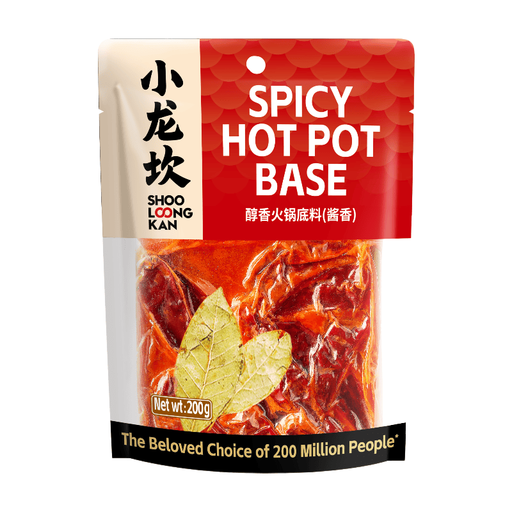
Why This Fits Their Persona: This is for the diner who wants a genuine Sichuan mala experience, prioritising aromatic complexity over sheer, overpowering heat. It's about tasting the layers of spice, not just feeling the burn.
It directly counters the "one-note flavour" trap by using premium Pixian broad bean paste and visible whole chillies, which release a more fragrant, layered flavour as the broth simmers.
Focuses on aroma with a gentler numbing kick. Formulated with natural spices and fewer additives for a cleaner taste.

Why This Fits Their Persona: Ideal for gatherings with mixed palates, including children or guests who don't enjoy spicy food. It provides a rich, savoury and universally appealing broth that everyone can enjoy.
This base avoids the "hidden filler" trap. Its primary ingredient is a high concentration of tomato paste (55%) from sun-dried tomatoes, ensuring a natural and rich flavour without artificial colours.
Naturally sweet and tangy flavour profile. The 150g concentrated pack makes a generous 800-1000ml of rich broth.

Why This Fits Their Persona: Perfect for a quick, convenient and flavourful meal for one. The small portion size is ideal for students in halls or anyone cooking for themselves, minimising waste and storage issues.
It solves the "misleading portion" problem by design. The 90g mini-pack is explicitly portioned for a single serving (500-800ml of water), ensuring a flavourful broth without guesswork or waste.
Single-serving format for convenience. Versatile base that also works well for a quick bowl of noodles or malatang.
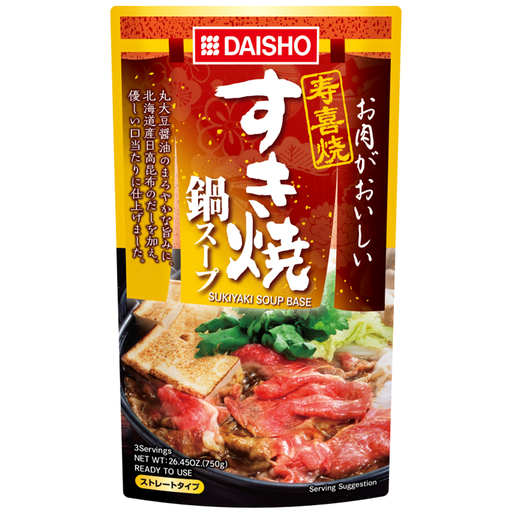
Why This Fits Their Persona: For those specifically looking to recreate the classic Japanese sukiyaki experience at home, with its signature sweet and savoury soy sauce-based broth, perfect for simmering with thinly sliced beef and vegetables.
This avoids the "one-note flavour" trap by delivering a very specific, traditional Japanese flavour profile. It's not trying to be a generic hot pot base; it's a well-defined sukiyaki base with a clear balance of sweet and umami.
Authentic sukiyaki flavour from a well-known Japanese brand. The large 750g bottle offers great value for multiple family meals.
We have compiled a complete, real-time list of products that fully satisfy these strict selection criteria and UK safety regulations.
How much hot pot soup base do I need for 4 people? This depends entirely on the concentration of the base. As a general rule, you should aim for at least 1.5 to 2 litres of prepared broth for a group of four. Always check the packaging for the recommended dilution ratio. For example, a 200g base with a 1:8 ratio will yield 1.6 litres of broth, which is usually sufficient.
What is the difference between a Chinese hot pot base and a Japanese nabe soup? The primary difference is the flavour profile and ingredients. Chinese hot pot bases, particularly from Sichuan, are often bold, spicy and complex, using ingredients like fermented beans, chillies and Sichuan peppercorns. Japanese nabe soups are typically more subtle and umami-focused. Sukiyaki is sweet and savoury from soy sauce and mirin, while others like oden or shio (salt) bases are light broths made from dashi (kelp and bonito flakes).
Can I reuse leftover hot pot broth? For food safety reasons, it is generally not recommended to reuse hot pot broth, especially after various raw meats, seafood and other ingredients have been cooked in it for an extended period. The broth can become a breeding ground for bacteria. It is always safer to start with a fresh base for each meal.