
24/7 Customer Support

Free returns

Same-day & Next-day Delivery

Quality Guaranteed

Unlock Your Welcome Offers: FREE Delivery | Up to 80% OFF | Free 30-day JoyPlus trial
Download the APP
The world of hot sauce has exploded, with supermarket shelves and online stores offering a dizzying array of bottles promising everything from a mild tingle to a full-blown inferno. For UK home cooks and food enthusiasts, this choice can be both exciting and overwhelming. A great hot sauce can elevate a simple meal, but the wrong one can either overpower your food or gather dust in the back of the cupboard.
As the Joybuy Product Recommendation Officer, my role is to help you navigate this crowded market. We've seen where shoppers often go wrong and want to share some practical advice to help you find a sauce you'll genuinely use and enjoy. Before you buy, be aware of these common pitfalls:
chilli sauce is created equal. A thin, vinegar-forward sauce from Louisiana is fundamentally different from a thick, fermented Korean gochujang or a fruity Caribbean scotch bonnet sauce. Understanding the base style is crucial for matching the sauce to its intended use, whether as a dipping sauce or a cooking chilli sauce.To avoid disappointment, focus on these core characteristics that define a hot sauce's flavour, texture and application.
The foundation of any hot sauce dictates its primary taste and best use. Most fall into several key categories:
spicy condiments use a tomato base for body.The type of chilli used is the single biggest influence on a sauce's flavour and heat level. Instead of just looking at a heat rating, consider the pepper's character:
peri peri sauce varieties. They provide a clean, sharp heat that builds but doesn't typically linger for too long.extra hot sauce enthusiast. While intensely fiery, a well-made sauce will still allow the pepper's underlying fruity or smoky notes to come through.The texture of a sauce determines how you'll use it. A thin, watery sauce is perfect for dashing over eggs or into a soup. A thicker sauce, often achieved with ingredients like Xanthan Gum or modified starch, is better for spreading on a sandwich, using as a dip or glazing grilled meats. Also, check the ingredients for sugar or sweeteners, which can significantly alter the flavour balance and may not be what you're looking for in a purely savoury condiment.
To help you choose, we've matched some excellent options to different types of users, from those needing an everyday flavour boost to adventurous cooks exploring world food sauces.

Why This Fits Their Persona: This is for the person who wants to add flavour, not just fire, to their daily meals. It's perfect for splashing on eggs, tacos, pizza and avocado toast without overwhelming the dish.
It sidesteps the "heat-only" trap by prioritising a robust garlic and pepper flavour. The mild-to-medium heat from arbol and piquin peppers complements food instead of masking it.
Incredibly versatile with a balanced, savoury flavour profile. The iconic wooden cap and simple ingredient list make it a reliable and stylish table-top staple.
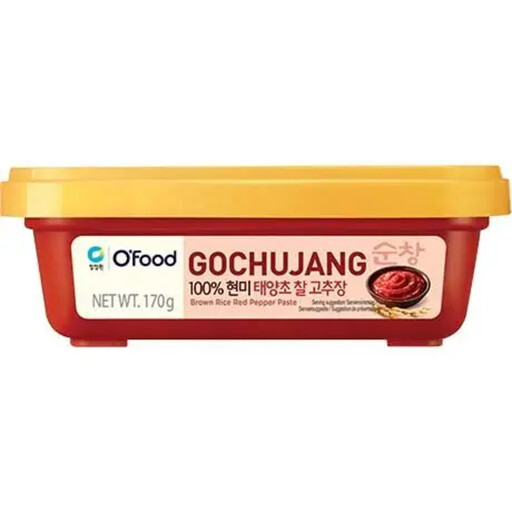
Why This Fits Their Persona: For the cook who wants to create authentic Korean dishes like bibimbap, tteokbokki or spicy marinades for BBQ. This is less of a table condiment and more of a foundational cooking ingredient.
This avoids the "one-sauce-fits-all" pitfall. It's a specific, authentic ingredient that provides the unique savoury, sweet and spicy umami flavour that a generic hot sauce simply cannot replicate in Korean recipes.
Provides an authentic, complex fermented flavour. Its thick paste consistency is ideal for use as a cooking base, in marinades and for creating dipping sauces.

Why This Fits Their Persona: This is for the experienced 'chilli head' who is chasing serious heat but still appreciates flavour. It should be used sparingly to add an intense, fiery kick to wings, stews or any dish needing a major spice upgrade.
While it is an extreme sauce, it avoids being a one-note "stunt" sauce. The Carolina Reaper pepper has a naturally fruity flavour profile that comes through beneath the intense heat, offering complexity.
Delivers an exceptionally high level of heat from genuine Carolina Reaper chillies. The sauce is thick enough to be used as a controlled drizzle or mixed into marinades.
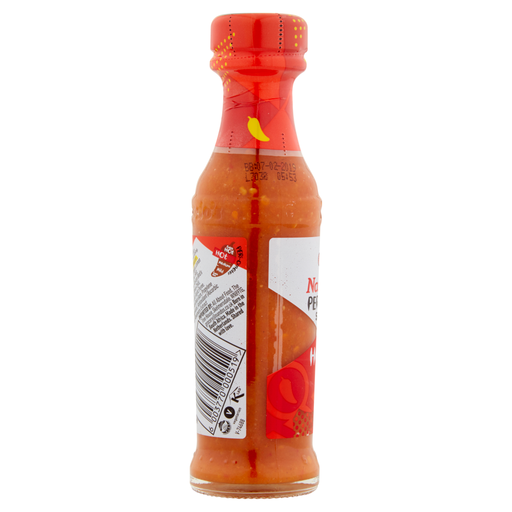
Why This Fits Their Persona: For anyone who loves the iconic flavour of Nando's and wants to replicate it at home. It's a go-to for marinating chicken, drizzling over chips or adding a tangy, fiery kick to grilled food.
This avoids the "single-use" trap because its flavour is widely loved and incredibly versatile for grilling, dipping and cooking. It's a reliable choice that is unlikely to go to waste.
Delivers the authentic, tangy and garlicky African Bird's Eye chilli flavour that is a staple in the UK. It's gluten-free and contains no artificial colours or flavours.
We have compiled a complete, real-time list of products that fully satisfy these strict selection criteria and UK safety regulations.
This varies by type. Vinegar-based sauces are often shelf-stable, but most manufacturers recommend refrigeration after opening to preserve flavour and quality. Creamy or fruit-based sauces should always be refrigerated. As a general rule, check the label and aim to use the sauce within 3-6 months of opening for the best taste.
Sriracha is a specific type of chilli sauce with Thai origins. It is typically made from a paste of chilli peppers, distilled vinegar, garlic, sugar and salt. It's generally thicker than Louisiana-style hot sauces and has a distinct sweet-garlic-spicy flavour profile. "Hot sauce" is a much broader term that covers hundreds of different styles from all over the world.
While you can add most hot sauces to a dish, some are better suited for it than others. Very thin, vinegar-heavy sauces can sometimes add too much acidity or have their flavour diminish with prolonged heat. Thicker sauces or fermented pastes like gochujang are specifically designed as a cooking chilli sauce and are excellent for building flavour in marinades, soups and stir-fries. For finishing a dish just before serving, almost any hot sauce will work well.