
24/7 Customer Support

Free returns

Same-day & Next-day Delivery

Quality Guaranteed

Unlock Your Welcome Offers: FREE Delivery | Up to 80% OFF | Free 30-day JoyPlus trial
Download the APP
That craving for a deeply warming, tangy and spicy bowl of soup is hard to ignore. Whether you're dreaming of a bubbling hot pot, a comforting bowl of sour soup beef or a quick noodle dish, the right hot and sour soup base is the key to unlocking authentic flavour at home. However, the journey from supermarket shelf to satisfying meal is filled with potential missteps. Many UK home cooks find themselves with a product that tastes flat, artificial or is simply wrong for their intended dish.
As the Joybuy Product Recommendation Officer, my role is to help you navigate the options. Let's cut through the marketing clutter and focus on what truly matters, ensuring your next purchase delivers that restaurant-quality experience you're looking for.
Before you buy, be aware of these common traps that lead to disappointing results and wasted money.
hot and sour soup mix is formulated differently from a concentrated hot pot soup base. Using a light, powdered mix for a long-simmering hot pot will result in a watery, flavourless broth that can't stand up to the ingredients you add. Conversely, using a heavy hot pot paste for a quick soup can be overpowering.To avoid these pitfalls, focus on these three key parameters. They are the non-negotiable checks that separate a great soup base from a poor one.
The format of the Chinese soup seasoning dictates its flavour intensity and best use case.
hot and sour soup mix is perfect for a single-serving meal, but it may lack the layered complexity of a paste. Be extra vigilant about the ingredient list here.Not all sour soups are the same. Understanding the regional origin will help you match the flavour to your craving.
Szechuan soup base will feature a bold combination of dried chillies and Sichuan peppercorns, often balanced with the tang of black vinegar or pickled vegetables.Guizhou red sour soup, which gets its vibrant colour and tangy, savoury flavour from naturally fermented tomatoes and red chillies. It's aromatic and tangy rather than aggressively spicy.Look past the front of the packet and analyse the ingredients list. This is where the product's true quality is revealed.
Instead of a generic list, we've matched our recommendations to specific needs and cooking styles you might have at home.

Why This Fits Their Persona: You want to recreate an authentic, regional hot pot experience for friends and family. This base is specifically designed for that, delivering the unique, aromatic tang of Guizhou cuisine that will impress your guests.
It sidesteps the "one-flavour-fits-all" trap by offering a specific Guizhou red sour soup profile. The flavour comes from naturally fermented tomatoes and chillies, not just vinegar powder.
The included Litsea cubeba oil packet allows you to add a final layer of fragrant, citrusy aroma, customising the intensity just before serving. It's a true hot pot soup base, designed to hold its flavour.

Why This Fits Their Persona: You need a delicious, reliable meal like sour soup beef after a long day, without spending hours in the kitchen. This all-in-one kit provides everything you need for an `easy hot and sour soup` dish with minimal fuss.
This product avoids artificial flavour shortcuts by using a high percentage of real fermented ingredients, including 17% salted radish and 13% pickled chillies, for a genuinely complex taste.
It's an all-in-one kit with separate seasoning and sesame packs, making portioning and preparation foolproof. The multi-pack format offers great value and convenience for future meals.
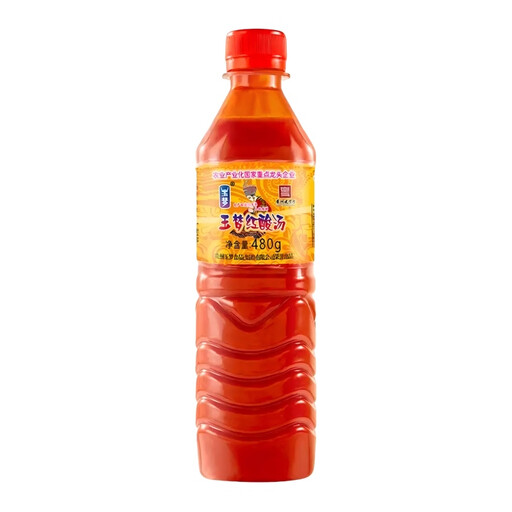
Why This Fits Their Persona: You value authenticity and traditional methods. You're looking for a versatile base ingredient that captures the true taste of Kaili's red sour soup, which you can then use across multiple dishes, from fish stews to noodle broths.
This is the antithesis of a generic, artificial mix. Its flavour is derived from a traditional earthen crock fermentation process using 25% red pepper and 20% tomato, with no artificial colours or flavours.
It's a highly versatile base concentrate. The large 480g jar allows you to control the intensity and use it for hot pot, stir-fries, noodles or even as a dipping sauce, making it a flexible pantry staple.
We have compiled a complete, real-time list of products that fully satisfy these strict selection criteria and UK safety regulations.
1. What is the difference between a hot and sour soup base and a hot pot base? A standard hot and sour soup mix is usually designed to create a finished soup with a specific texture and flavour balance in one go. A hot pot soup base, on the other hand, is a more robust, concentrated seasoning intended to be diluted into a large volume of broth. It needs to be strong enough to maintain its flavour for an extended period of simmering while you cook various meats and vegetables in it.
2. How much water should I add to a concentrated soup base? This varies significantly between products. Always start by reading the instructions on the packaging. As a general rule, a paste or liquid concentrate might recommend a ratio of 1 part base to 6-8 parts water or broth. However, it's always wise to start with slightly less water than recommended, taste the broth and then add more until you reach your preferred flavour intensity.
3. Can I use a Szechuan soup base to make Guizhou sour soup beef? While you can technically use any base with beef, the result will be entirely different. A Szechuan soup base will give you a spicy and numbing (málà) dish. A Guizhou red sour soup base will create a tangy, aromatic and savoury dish (suāntāng). For an authentic sour soup beef, you should always choose a base specifically labelled for that purpose or one from the Guizhou region.