
24/7 Customer Support

Free returns

Same-day & Next-day Delivery

Quality Guaranteed

Unlock Your Welcome Offers: FREE Delivery | Up to 80% OFF | Free 30-day JoyPlus trial
Download the APP
Keeping your home clean and hygienic is a priority for many of us, especially in households with children, pets or vulnerable family members. But with so many options on the shelves, from antibacterial sprays to concentrated liquids, choosing the right household disinfectant can feel overwhelming. This guide is designed to help you understand the key differences and select a product that suits your home's specific needs.
As a Joybuy Product Recommendation Officer, my role is to provide clear, practical advice to help you make informed choices. Let's break down what to look for in a surface sanitiser.
Before you buy, consider these three factors. They will help you narrow down the options and find a product that works for your cleaning routine and lifestyle.
Disinfectants primarily come in two formats, each with distinct advantages:
The active ingredients determine a disinfectant's effectiveness. Common agents include Benzalkonium Chloride, Lactic Acid and Ethanol. These are formulated to kill bacteria and viruses on surfaces.
If you have pets, look for a pet-safe disinfectant. These products are generally safe to use in areas frequented by animals, but it is crucial to follow the label's instructions carefully. Always ensure that treated surfaces are completely dry before allowing pets to walk on or lick them.
A scented disinfectant cleaner can do more than just clean; it can eliminate odours and leave your home smelling fresh for hours. From floral and fruity to fresh linen, the fragrance is a matter of personal preference.
Equally important is checking the product's suitability for different surfaces. While a multi-purpose cleaner is versatile, some formulations may not be suitable for porous materials like unsealed wood, certain fabrics or natural stone. Always check the label and test on a small, inconspicuous area first.
Here are a few standout options that cater to different household needs, from quick clean-ups to deep-cleaning tasks.
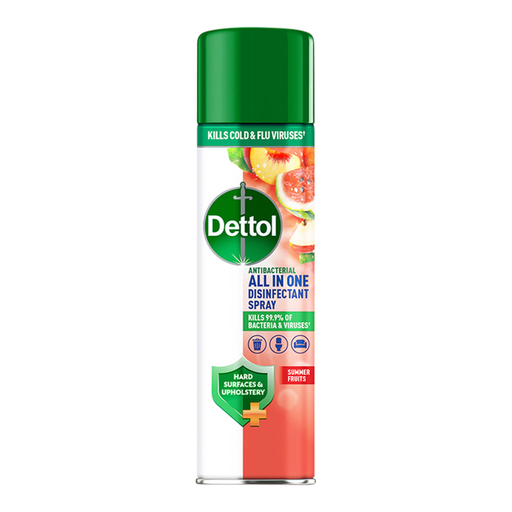
Dettol Antibacterial All-in-1 Disinfectant Spray, Summer Fruits, 300ml
Why It Stands Out: This spray offers exceptional convenience with its no-wipe, air-dry formula. Its versatility is a major plus, as it can be used on both hard surfaces like kitchen sinks and soft furnishings like sofas and mattresses.
Pros:
Who is it for? Busy households that need a fast and effective solution for sanitising high-traffic areas and items throughout the home.
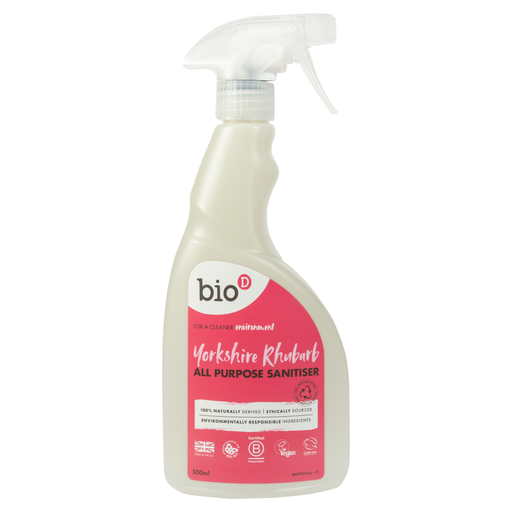
Bio D Yorkshire Rhubarb All Purpose Sanitiser 500ml
Why It Stands Out: This surface sanitiser is formulated with naturally derived ingredients, making it a popular choice for those seeking more plant-based cleaning options. Its unique Yorkshire Rhubarb scent provides a refreshing change from typical cleaning fragrances.
Pros:
Who is it for? Eco-aware individuals and families looking for an effective, plant-based cleaner with a delightful and distinctive fragrance.
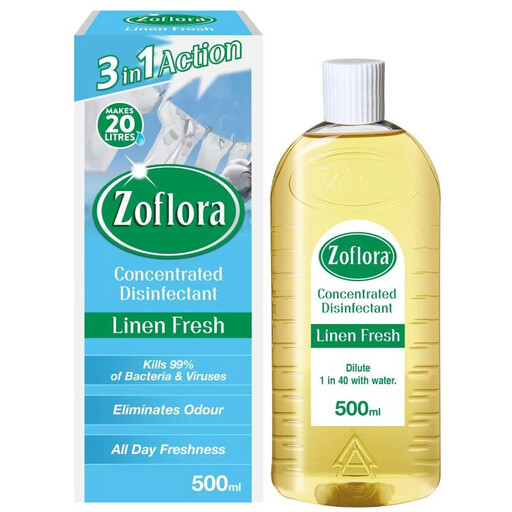
Zoflora Linen Fresh Concentrated Disinfectant 500ml
Why It Stands Out: As a concentrated disinfectant, Zoflora offers fantastic economy. A single 500ml bottle can be diluted to make over 20 litres of full-strength disinfectant, making it a cost-effective choice for whole-home cleaning.
Pros:
Who is it for? Value-conscious households and anyone who needs a versatile, powerful disinfectant for a wide range of cleaning tasks, from floors to drains.
If these recommendations don't quite fit your needs, there are many other products to consider. Whether you need a specialist cleaner for a particular surface or a different fragrance, you can find more choices in our cleaning collection.
Explore our full range of antibacterial items to find the perfect fit for your home.
1. What is the difference between cleaning and disinfecting? Cleaning involves physically removing dirt, grime and germs from surfaces, typically with soap or detergent and water. Disinfecting, on the other hand, uses chemicals to kill germs on surfaces. For best results, you should clean a surface first to remove loose dirt, then apply a disinfectant to kill any remaining germs.
2. How often should I disinfect surfaces? This depends on your household. High-touch surfaces like light switches, door handles, remote controls and kitchen worktops should be disinfected daily or every few days. Less-frequently touched surfaces can be disinfected weekly as part of your regular cleaning routine. Increase frequency if someone in the house is ill.
3. Are scented disinfectants as effective as unscented ones? Yes. The fragrance in a scented disinfectant cleaner is added to improve the user experience and leave a pleasant aroma. It does not interfere with the performance of the active disinfecting ingredients. The effectiveness is determined by the type and concentration of these agents, not by the presence of a scent.