
24/7 全天候客户支持

免费退货

当日/次日达

品质保障

开启新人专享福利: 全场免邮 | 低至 2 折 | 免费试用 30 天 JoyPlus 会员
下载 Joybuy
Dryness, tightness and fine dehydration lines can make a skincare routine feel more complicated than it needs to be. A hyaluronic acid serum is often considered a straightforward daily hydrator, but the right choice depends on more than a large percentage printed on the packaging.
The Joybuy Product Recommendation Officer’s approach is simple: look past promotional language and compare the formula, texture, packaging and suitability for your routine. This guide explains the main buying traps, the specifications worth checking and our top recommendations for different UK skincare needs.
A product labelled “5% hyaluronic acid” may sound automatically more effective than one listing 1% or 2%. However, brands do not always describe concentrations in the same way, and a formula’s performance also depends on the types of hyaluronic acid, supporting humectants and the moisturiser applied afterwards.
A multi-molecular hyaluronic acid serum can contain different molecular weights designed to hydrate the skin’s surface and provide a varied sensory experience. Concentration alone is not a reliable comparison point.
Humectants draw and hold water, which can make skin look smoother and temporarily soften the appearance of fine dehydration lines. This is different from permanently changing wrinkles. If you are shopping for an anti-wrinkle serum, check whether the product also contains ingredients such as peptides, adenosine or retinoid-related ingredients, and follow the manufacturer’s directions carefully.
Applying a hydrating face serum to damp skin can improve comfort, but leaving it without a moisturiser may not suit dry or centrally heated indoor environments. Use a cream or lotion afterwards to help reduce moisture loss. A lightweight formula may also be preferable in the morning if you apply sunscreen or make-up.
Look for terms such as sodium hyaluronate, hydrolysed hyaluronic acid and sodium hyaluronate crosspolymer in the ingredient list. These indicate different forms of the ingredient, although the INCI list does not guarantee how deeply any ingredient travels into the skin.
Supporting humectants including glycerin, betaine, panthenol and sodium PCA can make a serum feel more comfortable. Ceramides, beta-glucan and oils may be useful when you want a skin barrier repair serum style of routine, particularly during cold weather or when skin feels easily tight.
A lightweight non-sticky serum is practical for daytime use, especially beneath SPF and foundation. Gel textures usually feel refreshing, while milky or richer formulas can be more comfortable for dry skin. If several products pill when layered, use less serum, allow each layer to settle and avoid applying too many film-forming products together.
A 15ml or 30ml bottle may suit occasional use or a first purchase. Larger bottles can offer more product for frequent application, but check the recommended shelf life and storage instructions. Single-use hyaluronic acid ampoules offer measured portions and convenient travel storage, although they create more packaging waste.
For sensitive skin, review the full ingredient list rather than relying only on “suitable for sensitive skin” wording. Fragrance, essential oils, alcohol denat., niacinamide or botanical extracts may not suit everyone. A patch test is sensible, and any persistent irritation should be discussed with a healthcare professional.
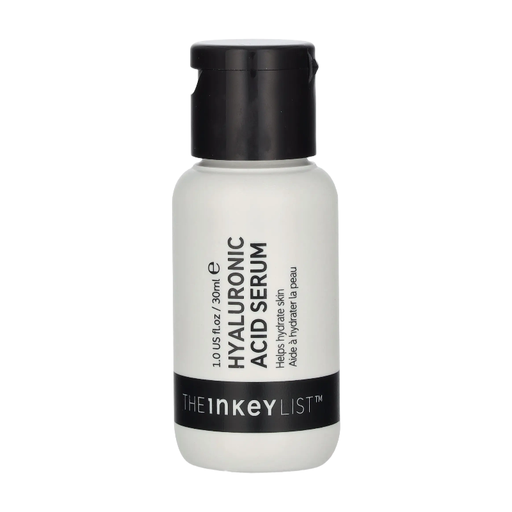
Why This Fits Their Persona: A compact daily option for beginners who want a simple hydrating face serum that can be used morning and evening beneath moisturiser.
The product lists 2% multi-molecular hyaluronic acid and a fragrance-free formula, rather than relying only on a headline concentration.
Contains glycerin and Matrixyl 3000 peptides; the listed texture is lightweight and non-sticky.
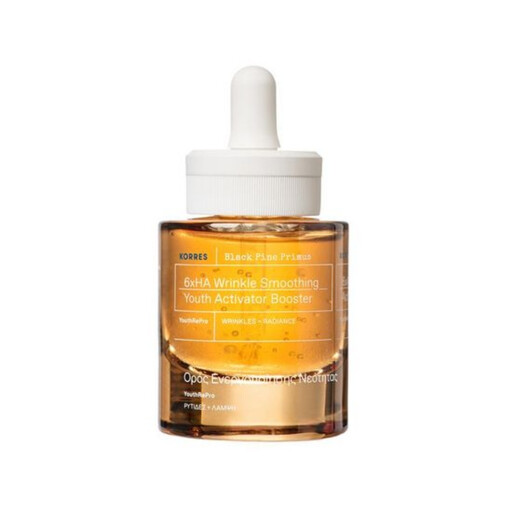
Why This Fits Their Persona: Suitable for shoppers seeking a more feature-rich plumping facial serum with a water-gel finish and additional smoothing ingredients.
Its product information specifies six types of hyaluronic acid, making the multi-form approach clearer than an unexplained “deep hydration” label.
Includes acetyl hexapeptide-8 and black pine bud extract; the formula is described as dermatologically tested.
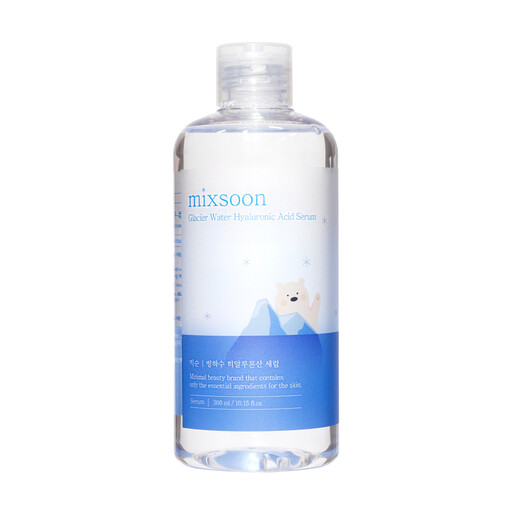
Why This Fits Their Persona: The 300ml format suits frequent users who apply serum generously, layer it or use it as a quick hydration mask pack.
The unusually large size is clear, reducing the risk of buying a small bottle when repeated application is part of your routine.
Contains three types of hyaluronic acid and has a water-light texture listed as fast-absorbing.
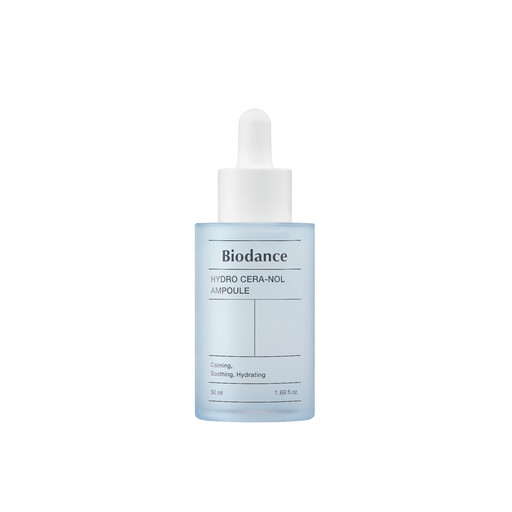
Why This Fits Their Persona: A milky ampoule for people prioritising hydration alongside ceramides and panthenol in a barrier-focused routine.
The listed formula identifies ceramides, hyaluronic acid and panthenol, rather than presenting hydration as the only consideration.
The product information lists multiple hyaluronic acid forms and an ultra-low molecular panthenol ingredient.
Introduce one new product at a time so it is easier to identify the cause of any reaction. Do not apply to broken or affected skin unless instructed by a suitable healthcare professional.
We have compiled a complete, real-time list of products that fully satisfy these strict selection criteria and UK safety regulations.
It can be useful for hyaluronic acid serum for dry skin routines because it helps attract water to the skin’s surface. Apply it to slightly damp skin and use a moisturiser afterwards. If dryness persists, consider a richer cream containing barrier-supporting ingredients such as ceramides.
Most products are designed for daily use, often once or twice a day, but follow the individual packaging instructions. A serum for dehydrated skin can be used alongside many routines, although introducing several new actives at once may increase the chance of irritation.
This depends on bottle size, dosage and frequency. A 15ml bottle used sparingly may last several weeks, while a 30ml product commonly suits a regular daily routine. Larger formats such as 300ml are more appropriate for users who layer serum or apply it generously. Store the product as directed and check the packaging for current shelf-life information.