
24/7 Customer Support

Free returns

Same-day & Next-day Delivery

Quality Guaranteed

Unlock Your Welcome Offers: FREE Delivery | Up to 80% OFF | Free 30-day JoyPlus trial
Download the APP
The line between photography and videography has blurred. Today, creators need a single tool that excels at both. Whether you are a professional shooting a wedding, a vlogger documenting your travels or a content creator building a brand, the demand for a versatile hybrid camera has never been greater. But navigating the market can be a challenge, with a dizzying array of specifications and features to consider.
This guide is designed to cut through the jargon. We will explore the key factors to consider when choosing a camera that can handle high-quality stills and professional-grade video. We will then present our top recommendations for 2026, helping you find a model that aligns with your creative ambitions and workflow.
Before diving into specific models, it is crucial to understand what features truly matter for hybrid shooting. Focusing on these core aspects will help you make a more informed decision.
The sensor is the heart of any camera. For a hybrid camera, its size directly influences image quality, low-light performance and depth of field. A full-frame mirrorless camera typically offers superior performance in dimly lit conditions and allows for a shallower depth of field, creating that sought-after cinematic background blur. However, cameras with smaller sensors, like APS-C or those in a 360 action camera, provide benefits in portability and often a more manageable price point, making them excellent choices for on-the-go shooting and vlogging.
For creators focused on moving images, video specifications are paramount. Look for a 4K video camera that can record at various frame rates. 4K at 60p (frames per second) is becoming a standard for smooth motion and the ability to create compelling slow-motion effects. Another critical feature is colour depth. A camera that records in 10-bit colour captures over a billion colours, compared to the 16.7 million of 8-bit, providing far greater flexibility for colour grading in post-production. This is a key feature for any serious camera for content creation.
A camera's technical specifications are only half the story. How it feels in your hands and integrates into your workflow is just as important. Consider features like a fully articulating or vari-angle screen, which is invaluable for a camera for vlogging or shooting at unconventional angles. Also, evaluate the button layout, menu system and connectivity options like Wi-Fi, Bluetooth and USB-C for live streaming or fast file transfers.
Here are a few standout options that cater to different types of creators, from those seeking ultimate portability to those requiring uncompromising professional quality.
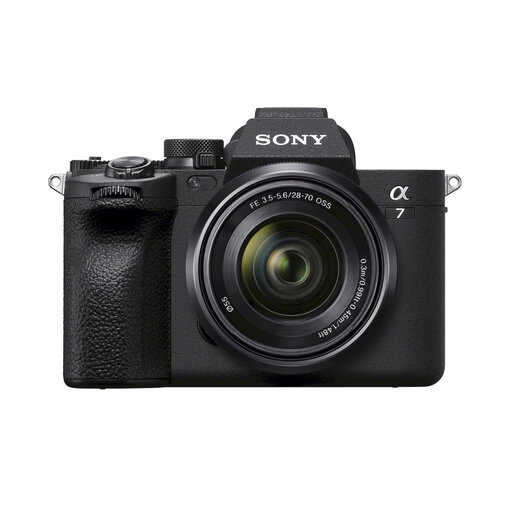
Why It Stands Out: The Sony Alpha 7 IV is a formidable tool for creators who refuse to compromise. It pairs a new 33.0-megapixel full-frame sensor with the powerful BIONZ XR processor, delivering exceptional detail in both stills and video. Its video capabilities are a significant step up, offering 4K 60p recording and 10-bit 4:2:2 colour sampling internally.
Pros:
Who is it for? Professional and prosumer photographers, videographers and hybrid shooters who need a reliable, high-performance camera for commercial work, events and advanced content production.

Why It Stands Out: While succeeded by the A7 IV, the Sony Alpha 7 III remains a highly capable and popular full-frame mirrorless camera. It offers a fantastic balance of performance and value. Its 24.2 MP sensor, reliable autofocus and 4K video capabilities make it a workhorse that continues to serve many professionals and enthusiasts well.
Pros:
Who is it for? Enthusiasts moving up to full-frame, value-conscious professionals or anyone looking for a proven, high-value hybrid camera that delivers consistent, quality results for both photos and video.
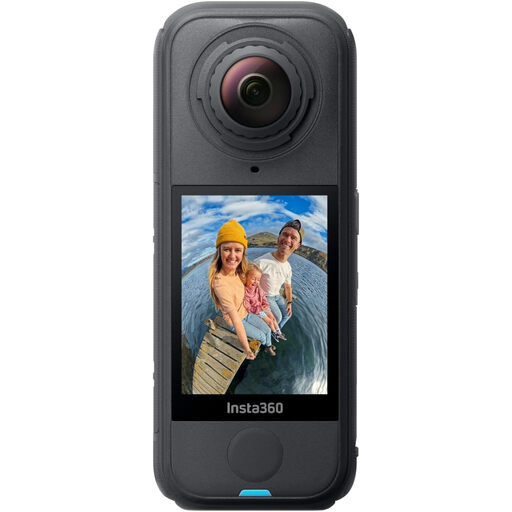
Why It Stands Out: The Insta360 X4 Air redefines what a hybrid camera can be. This ultra-lightweight 360 action camera captures everything around you in stunning 8K 360 video. Its "shoot first, frame later" workflow liberates you from aiming, allowing you to reframe your shots into traditional flat videos after the fact. The Invisible Selfie Stick effect creates incredible drone-like perspectives without the drone.
Pros:
Who is it for? Travel vloggers, action sports enthusiasts, social media influencers and any creator looking for a unique, portable tool to capture dynamic and immersive content that stands out from the crowd.
After capturing your stunning images and videos, the final step is bringing them to life. For inspiration on how to display your creative work beautifully in your home or studio, why not explore our curated collection of high-quality framed photos?
A hybrid camera is a device designed to excel at capturing both high-resolution still photographs and high-quality video. These cameras typically combine features from traditional photography cameras (like large sensors and interchangeable lenses) with advanced video capabilities (like 4K resolution, high frame rates and professional audio inputs).
A full-frame camera is not inherently "better," but it offers distinct advantages. The larger sensor size generally provides better performance in low light, a wider dynamic range and a shallower depth of field, which helps create a more cinematic look. However, cameras with smaller sensors (like APS-C or Micro Four Thirds) can be more compact, affordable and offer their own benefits, such as a greater depth of field when needed and a longer reach with telephoto lenses.
Absolutely. Many of today's leading hybrid cameras, such as the Sony Alpha 7 IV, are the primary tools for professional photographers and videographers. Their ability to seamlessly switch between high-quality still and video production makes them incredibly efficient and cost-effective for a wide range of professional applications, including weddings, corporate events, documentaries and commercial content creation.