
24/7 Customer Support

Free returns

Same-day & Next-day Delivery

Quality Guaranteed

Unlock Your Welcome Offers: FREE Delivery | Up to 80% OFF | Free 30-day JoyPlus trial
Download the APP
Waking up with a stuffy nose, itchy eyes or a stiff neck is a frustrating way to start the day. While many factors contribute to sleep quality, your pillow plays a significant role, especially if you're prone to allergies. The world of bedding is filled with claims and technical jargon, making it difficult to know what truly matters. This guide is designed to help you navigate the options and find a suitable hypoallergenic pillow that supports a restful, sneeze-free night.
We'll explore what to look for based on materials and your sleeping habits and then share some of our top recommendations for 2026 to help you make an informed choice.
Finding the right pillow goes beyond simply picking one labelled "hypoallergenic". Consider these factors to ensure you get the comfort and support you need.
The term "hypoallergenic" means a material is less likely to cause an allergic reaction. This is usually because it has a tightly woven structure that resists common allergens like dust mites, mould and pet dander.
The right pillow should keep your head, neck and spine in neutral alignment. Your preferred sleeping position is the key to finding the correct level of support.
Beyond the basics, certain features can significantly improve your experience.
Here are a few standout options that cater to different needs and preferences.
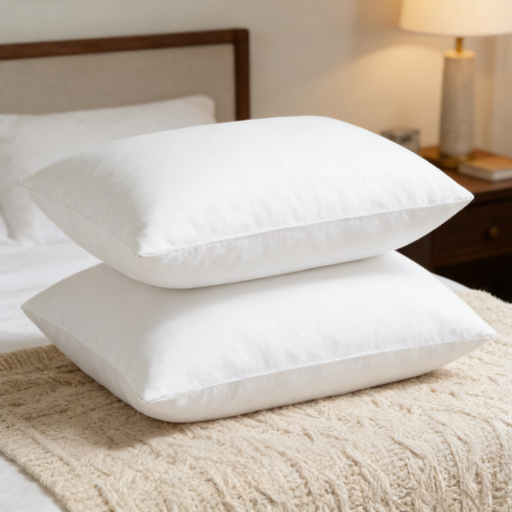
Why It Stands Out: This pillow focuses on resilience and long-lasting comfort. Filled with 100% hollow polyester fibre, it’s designed to retain its shape and bounce back night after night, avoiding the flatness that can plague other pillows. Its anti-allergy properties make it a safe and practical choice for any household.
Pros:
Who is it for? This is an excellent choice for anyone seeking a reliable, low-maintenance pillow that offers consistent, soft-to-medium support. It's particularly well-suited for back or combination sleepers who appreciate a classic, bouncy feel and want a straightforward anti-allergy solution.

Why It Stands Out: The Emma Adapt Pillow is all about personalisation. It contains three removable foam layers, including viscoelastic memory foam and a hyper-soft cold foam, allowing you to create your ideal height and firmness. This adjustable height pillow is designed to provide tailored spinal alignment, making it a strong contender for those seeking a supportive pillow for neck pain.
Pros:
Who is it for? This pillow is ideal for sleepers who have struggled to find the right fit, especially those with neck or back discomfort. Its adaptability makes it suitable for all sleep positions and it’s a great investment for hot sleepers or anyone wanting the contouring support of memory foam without the overheating.
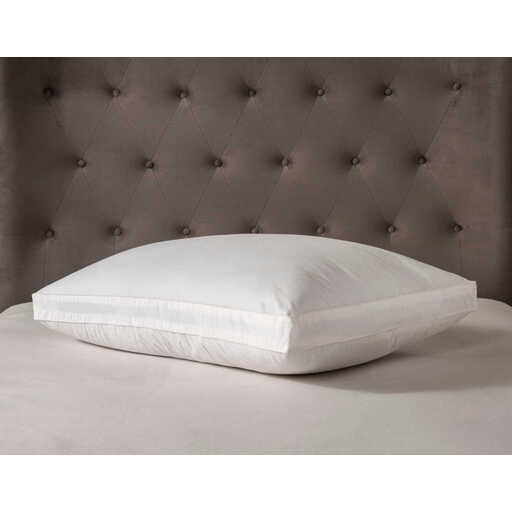
Why It Stands Out: Specifically engineered for pillows for side sleepers, this NightComfort pillow features a gusseted box border. This construction creates vertical side walls, ensuring consistent height and support right to the edge. The 100% cotton cover offers natural breathability, while the hypoallergenic hollowfibre filling provides a comfortable, medium-firm feel.
Pros:
Who is it for? If you are a dedicated side sleeper, this pillow is designed for you. The box-edge construction delivers the elevation and stability needed to keep your spine aligned, while the breathable cotton cover and hypoallergenic filling ensure a comfortable and clean night's sleep.
While these are some of our top recommendations, the perfect pillow is a personal choice. If you're interested in exploring a wider variety of fillings and firmness levels, you can browse our full collection. Many people find the balance of comfort, affordability and hypoallergenic properties in polyester pillows to be a great fit.
[Explore our complete range of Polyester Pillows here](https://www.joybuy.co.uk/explore/polyester-pillow/W4XoBWR4)
A pillow is considered hypoallergenic if it is made from materials that are resistant to common allergens like dust mites, mould and dander. This is often achieved through a dense material structure (like memory foam) or tightly woven synthetic fibres (like hollowfibre) that prevent allergens from settling and multiplying.
For side sleepers, a firmer, higher pillow is needed to support the neck. Look for box-edge or gusseted designs. Back sleepers should opt for a medium-height pillow that cradles the head. Stomach sleepers need a very thin, soft pillow to prevent neck strain. An adjustable pillow can be a versatile option for all positions.
Yes, memory foam is an excellent choice. Its dense, solid structure is naturally inhospitable to dust mites and other allergens, making it inherently hypoallergenic. It also offers superior pressure relief, which can be beneficial for those with neck and shoulder pain.