
24/7 Customer Support

Free returns

Same-day & Next-day Delivery

Quality Guaranteed

Unlock Your Welcome Offers: FREE Delivery | Up to 80% OFF | Free 30-day JoyPlus trial
Download the APP
Buying imitation crab sticks in the UK can be more complicated than it first appears. Product names such as surimi sticks, seafood sticks and crab-flavoured fish sticks can describe very different products, from frozen cooking ingredients to seasoned, ready-to-eat snacks.
The right choice depends on how you plan to use them. A pack designed for sushi may not be suitable for eating straight from the freezer, while individually wrapped snack portions may be less practical for a large hot pot. Before buying, check these common pitfalls.
Some crab sticks are steamed and ready to eat once properly defrosted. Others must be cooked thoroughly. The front of the packaging may show sushi, salads or hot pots, but the preparation instructions take priority.
For example, a frozen product may be suitable for salads after defrosting but require heating for hot dishes. Other products, such as surimi fortune bags, are specifically marked cooking required and should not be consumed raw.
Imitation crab is generally made from processed white fish, known as surimi, with starch, seasoning and colouring. The fish percentage can vary considerably. KIBUN Sea Stick lists 42% fish meat, while several seasoned shredded crab snacks list 33% Alaska pollock and a smaller quantity of crab meat.
Read the ingredient list and quantitative ingredient declaration rather than relying on phrases such as “Japanese-style”, “snow crab flavour” or “king crab”. These terms indicate style or flavour and do not necessarily describe the amount of real crab.
Surimi products can contain fish, wheat, egg, soya and crustaceans. Some products may also contain sesame or sulphites. Even when the product is called imitation crab, it may include crab meat, prawns or crustacean-derived ingredients.
Frozen imitation crab usually needs storage at -18°C or below. Once defrosted, many products should be refrigerated and consumed within 48 hours, with no refreezing. Ambient seafood snacks have different storage instructions, so always check the label before opening.
A higher stated fish percentage does not automatically mean that a product will suit every recipe, but it can help you compare formulations. For sushi, salads and sandwiches, look for sticks that can be separated or shredded without collapsing.
Firm, layered sticks are convenient for slicing into maki rolls or adding to a salad. Hand-torn seafood snacks have a softer, more fibrous texture and are generally seasoned for eating directly rather than using as a neutral sushi ingredient.
Choose based on your weekly routine:
For frozen packs, check whether the product can be used directly in cooking or must be fully thawed first. If eating raw in sushi or salads, defrost in the fridge and follow the packaging guidance.
Crab sticks and surimi sticks are processed foods, so compare the nutrition panel per 100g. Salt levels vary, particularly in spicy or BBQ-seasoned snacks. KIBUN Sea Stick lists approximately 1.5g salt per 100g, while some seasoned shredded crab snacks list around 2.0–2.2g.
Sweeteners, flavour enhancers, preservatives and colourings are common in this category. Their presence is not a reason to reject a product automatically, but it is important if you prefer a shorter ingredient list or need to avoid a particular additive.
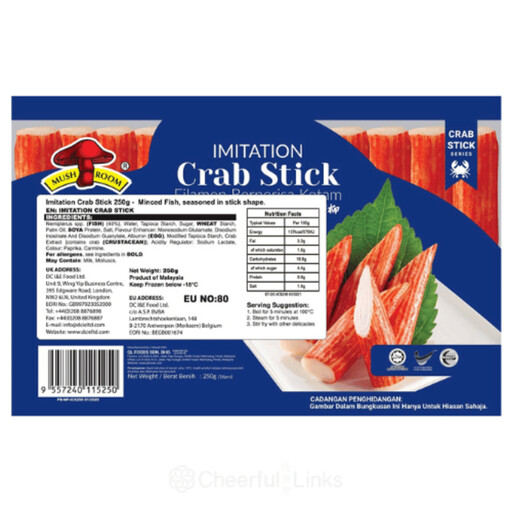
Why This Fits Their Persona: A 250g pack is a manageable starting quantity for UK shoppers trying surimi in sushi, salads or soup without committing to a larger pack.
The listing clearly states that it is frozen and should be cooked thoroughly, reducing the risk of treating a cooking product as ready-to-eat.
Designed for hot pots and soups, with a stated 1–2 minute cooking time and a form that can be torn into strips.
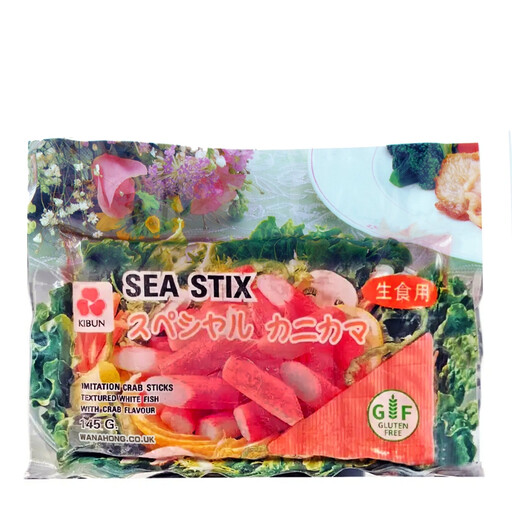
Why This Fits Their Persona: A Japanese-style option for shoppers prioritising a mild seafood taste, portioned sticks and flexibility across sushi, salads and hot pots.
The product information identifies the fish content, allergens and frozen storage instructions instead of relying only on crab-flavour wording.
Contains 42% fish meat, provides approximately 95 kcal per 100g and can be eaten after thawing or added to cooked dishes.
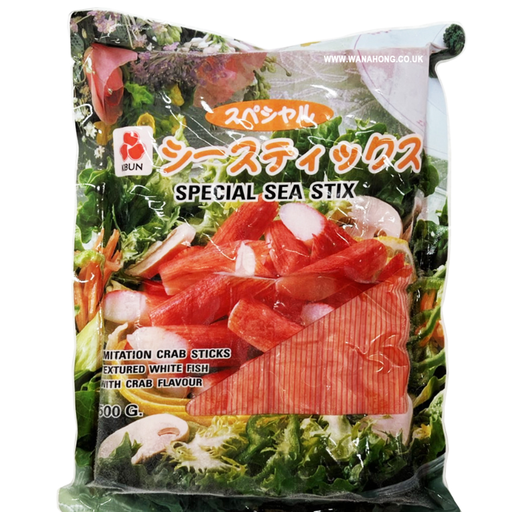
Why This Fits Their Persona: The larger pack suits regular home cooks preparing sushi platters, family salads, noodle dishes or repeated hot pot meals.
The 500g format reduces repeated small-pack purchases, while the stated thawing and 48-hour refrigerated-use guidance helps with meal planning.
Gluten-free information is provided on the listing, and the product has the same stated 42% fish-meat content as the 145g format.
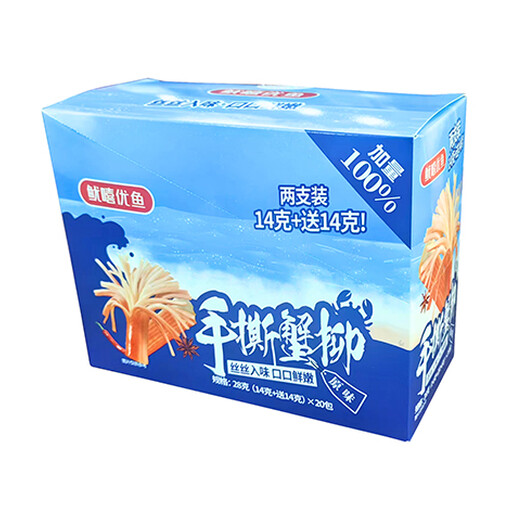
Why This Fits Their Persona: Individually wrapped 28g portions work for desks, packed lunches, travel and sharing, without requiring preparation.
The pack size is clearly divided into 20 portions, and the listing explicitly describes the product as ready to eat rather than a cooking-only ingredient.
A 560g total quantity with individually wrapped packs; suitable for direct snacking, salads, rice bowls and noodle dishes.
We have compiled a complete, real-time list of products that fully satisfy these strict selection criteria and UK safety regulations.
Some are, but not all. Ready-to-eat crab sticks and seasoned surimi snacks can usually be eaten as labelled. Frozen products may need defrosting first, while products marked cooking required must be heated thoroughly. Always follow the individual product instructions.
Yes, depending on the product. Soft, layered surimi sticks are convenient for sushi, salads and rice bowls. Frozen imitation crab can be added to hot pots, soups and stir-fries, but check whether it should be thawed first and cook it according to the packaging.