
24/7 Customer Support

Free returns

Same-day & Next-day Delivery

Quality Guaranteed

Unlock Your Welcome Offers: FREE Delivery | Up to 80% OFF | Free 30-day JoyPlus trial
Download the APP
As a Joybuy Product Recommendation Officer, my role is to help you navigate the crowded shelves of convenience foods. Instant noodles are a staple in many UK households, from students needing a quick meal to families looking for an affordable dinner base. However, the sheer variety can be overwhelming, and not all packets deliver on their promises.
Many of us have been disappointed by a bowl of noodles that was bland, unexpectedly fiery or had a mushy texture. Let's look at the common pitfalls to avoid before you buy.
To ensure you get a satisfying meal every time, it pays to look beyond the flashy packaging. Here are the core parameters to check before adding a pack to your basket.
The way the noodles are prepared has a significant impact on both texture and taste.
Instant noodles generally fall into two categories, and choosing the right one depends on the meal experience you're after.
Always check the ingredient list for clues about the flavour's authenticity. A good quality Chinese noodle soup might list star anise and Sichuan pepper, while a Korean variety may feature gochujang (chilli paste) or kimchi. Also, look for official certifications on the packaging if you have specific dietary requirements, such as halal noodles or vegetarian options.
Based on these practical criteria, here are a few recommendations matched to different needs and preferences.

Why This Fits Their Persona: This is a globally recognised classic for a reason. It's affordable, incredibly quick to make and the stir-fry style is a satisfying meal that doesn't require a lot of washing up—ideal for a quick lunch between lectures or after a long day of work.
It sidesteps the "inauthentic flavour" trap by delivering a consistent and distinct sweet-savoury Indonesian profile, complete with seasoning oil and crispy onion flakes, rather than a generic "Asian" taste.
The multi-sachet format (powder, oil and sweet soy sauce) allows for a more layered flavour. Its stir-fry preparation makes it a less messy, more portable meal.
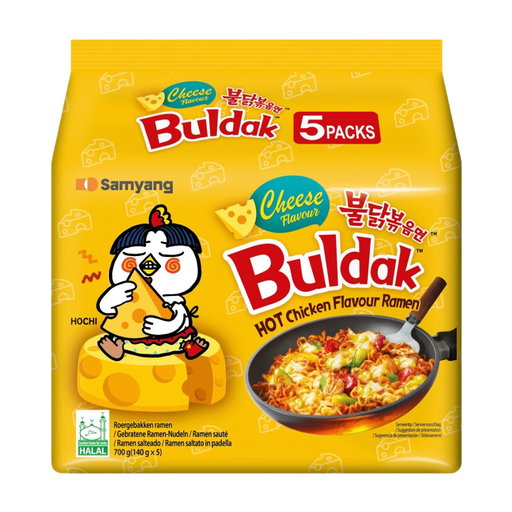
Why This Fits Their Persona: For those who actively seek out intense heat, the Samyang Buldak range is a must-try. This cheese variant adds a creamy, savoury dimension that complements the fiery chicken flavour, making it a popular choice for fans of bold Korean ramen.
It completely avoids the "spice level gamble." The heat is famously and consistently high, delivering exactly what it promises. The thick, chewy noodles are robust enough to not turn mushy under the powerful sauce.
This is one of the most iconic spicy noodles on the market. The combination of extreme heat with a rich cheese powder creates a uniquely addictive flavour profile.
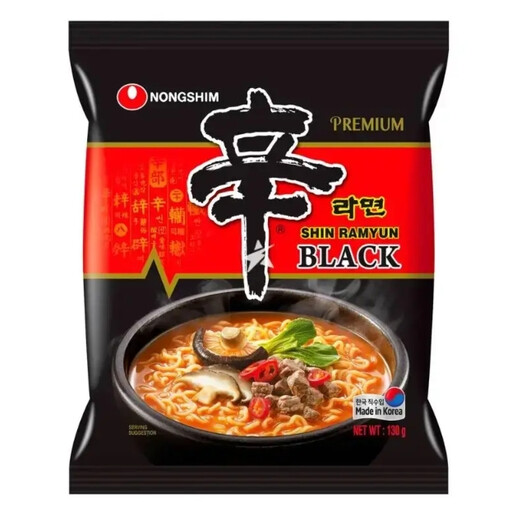
Why This Fits Their Persona: For those who want an elevated instant noodle experience, Shin Black offers a richer, more complex broth than most standard options. It's for the person who enjoys customising their bowl and wants a base that tastes more like a slow-simmered soup.
It avoids the one-note flavour pitfall by including a separate "sul-long-tang" seasoning packet, which creates a creamy and rich beef bone broth flavour. This provides a depth that standard seasoning powders lack.
The premium broth has a robust, umami-rich flavour with noticeable garlic notes. The noodles are also thicker and chewier than the standard Nongshim Shin Ramyun, holding up well in the hearty soup.
We have compiled a complete, real-time list of products that fully satisfy these strict selection criteria and UK safety regulations.
The easiest way to elevate any bowl of instant noodles is by adding fresh ingredients. Try dropping a cracked egg into the boiling broth for the last couple of minutes, or top your finished bowl with a soft-boiled egg. Sliced spring onions, a handful of spinach or some leftover cooked meat can also turn a simple snack into a more complete meal. A drizzle of sesame oil or a dash of soy sauce can add extra depth.
"Better" is subjective and depends on your priorities. In terms of texture, non-fried noodles often provide a chewier, more satisfying bite that many people prefer. From a nutritional standpoint, they generally contain less fat and fewer calories than their deep-fried counterparts because they are air-dried. However, the overall healthiness of the meal still depends heavily on the sodium content of the seasoning packets and any extras you add.
While there is huge variety within each country, there are some general characteristics. Japanese ramen often focuses on a complex broth, such as miso, shoyu (soy sauce) or tonkotsu (pork bone). Korean ramyun is frequently known for its spicy and bold flavours, often featuring kimchi or gochujang. Chinese noodles come in a vast array of regional styles, from rich and spicy beef broths to savoury sesame sauces. Southeast Asian varieties, like Indonesian Indomie Mi Goreng or Thai tom yum, offer distinct sweet, sour and aromatic profiles.