
24/7 Customer Support

Free returns

Same-day & Next-day Delivery

Quality Guaranteed

Unlock Your Welcome Offers: FREE Delivery | Up to 80% OFF | Free 30-day JoyPlus trial
Download the APP
For many of us in the UK, from students cramming for exams to busy professionals needing a quick lunch, instant noodles are a cupboard staple. They promise a hot, flavourful meal in minutes. Yet, the reality can often be disappointing. The aisle is filled with options, but navigating it to find a genuinely satisfying meal can feel like a lottery.
As a Joybuy Product Recommendation Officer, my role is to help you see past the flashy packaging and marketing claims. Many shoppers find themselves caught in a few common traps that lead to a subpar meal and wasted money. Let's look at how to avoid them.
To ensure you get a convenient meal that is also enjoyable, focus on a few core parameters rather than just the front-of-pack claims.
The world of quick meals has moved beyond the simple pot. Understanding the format is key to matching a product to your needs.
The heart of any good noodle dish is its broth or sauce. This is where you can truly separate the good from the bland.
Don't be swayed by the size of the pot. The most reliable indicator of value and portion size is the net weight, listed in grams (g) on the packaging. For hearty student meals or a filling lunch, comparing the net weight between two similarly priced options will tell you which one offers more substance for your money.
Based on these practical criteria, here are a few recommendations tailored to different needs and preferences.
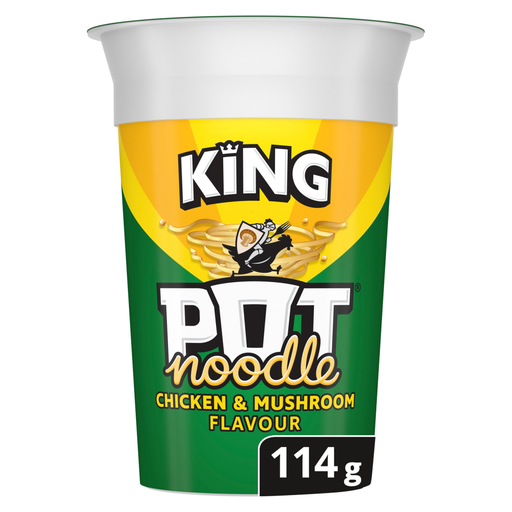
Why This Fits Their Persona: When time and budget are tight, this king-sized pot delivers a familiar, comforting flavour with maximum convenience. It requires only a kettle, making it a reliable choice for a quick and filling meal between lectures or during late-night study sessions.
The 114g net weight in this King Pot provides a genuinely larger portion, addressing the "deceptive portion size" pitfall directly. It offers a substantial meal for its price point.
Ready in 4 minutes with just boiling water. The classic chicken and mushroom flavour is a UK favourite, and it includes a soy sauce sachet to adjust the taste.

Why This Fits Their Persona: For those tired of the same old noodle flavours and seeking genuine spicy noodles, this offers an authentic taste of Korean street food. It features chewy rice cakes instead of noodles, providing a completely different texture and experience.
This product avoids the "authentic flavour" mirage by using a rich gochujang-based sauce, a staple of Korean cooking, rather than a generic "spicy" powder. The flavour is complex, with savoury, sweet and fiery notes.
Offers a unique chewy texture from the rice cakes. The cup format is highly convenient, requiring only a microwave or boiling water for preparation in minutes.
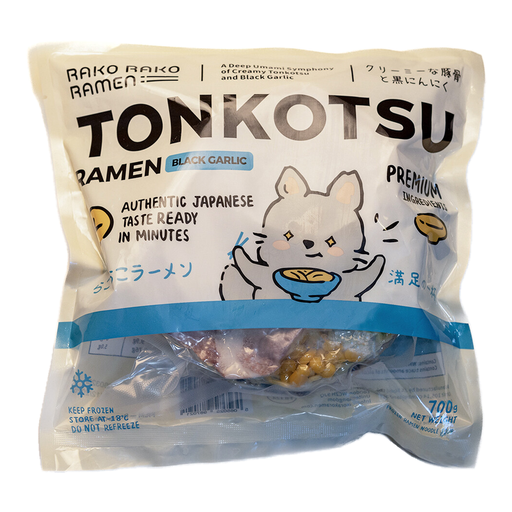
Why This Fits Their Persona: For those craving a genuine Japanese ramen experience without leaving the house. This frozen ramen is a complete meal, perfect for a satisfying evening dinner when you don't have the energy to cook from scratch.
It tackles all three pitfalls. The flavour is from a real pork bone soup base, not powder. The 700g net weight is a substantial, filling portion. The ingredient list includes real pork, mushrooms and black garlic oil.
The all-in-one frozen block format locks in flavour and texture. It requires no extra water—simply heat on the hob or in the microwave for a rich, layered tonkotsu ramen with toppings included.
We have compiled a complete, real-time list of products that fully satisfy these strict selection criteria and UK safety regulations.
It depends on your priority. For sheer speed and minimal equipment, pot noodles are unmatched. You just need hot water. However, frozen ramen generally offers superior flavour, texture and nutritional value, with real broth and more substantial ingredients. It's a trade-off between ultimate convenience and meal quality.
There are many simple ways to elevate a basic bowl of instant noodles. Consider adding a soft-boiled egg, some sliced spring onions, a handful of spinach, or leftover cooked chicken or tofu. A dash of soy sauce, sesame oil, or chilli crisp can also add a significant flavour boost.
While there is huge variety within both, a common distinction lies in the flavour profile. Many popular Japanese ramen varieties focus on rich, savoury broths like tonkotsu (pork bone), miso (fermented soybean), or shoyu (soy sauce). In contrast, many well-known Korean noodles are celebrated for their bold, spicy and often slightly sweet flavours, frequently built on bases like gochujang (chilli paste) or kimchi.