Routine shirt pressers
If you press a few cotton work, school or occasion shirts at a time, a compact conventional iron lets you focus on steam control, tank size and handling around buttons.


For a few cotton shirts at a time, choose a conventional steam iron with controls and a soleplate you can use around collars and buttons. A steam generator is worth considering for frequent large loads if you have space for its separate base; if scale upkeep matters to you, check the exact model’s cleaning process. A handheld steamer suits quick crease refreshing, but should not be assumed to replace iron-and-board pressing.
If you press a few cotton work, school or occasion shirts at a time, a compact conventional iron lets you focus on steam control, tank size and handling around buttons.
If shirts are part of a substantial regular laundry load, a steam generator may be worth the space taken by its separate base and water tank.
If scale cleaning is likely to interrupt your ironing routine, compare the exact models’ cleaning procedures rather than relying on an anti-scale label alone.
Start with the number of shirts you normally press, then decide how much detail control, storage space and scale upkeep matter to you.
| Concern | What to check | Who this matters to |
|---|---|---|
| Creases and shirt details | Compare continuous steam in g/min and inspect the soleplate shape and controls for collars, cuffs and button areas. | If I press collars and cuffs regularly, I need control around seams and buttons, not just a large steam-shot figure. Around 31% of consumers would put crease removal and detail control first. |
| Recurring large loads | Compare tank capacity and the space needed for a separate steam-generator base. | Working through a large laundry load makes refill interruptions and setup space part of the decision. Roughly 31% of consumers would make longer ironing sessions their primary concern. |
| Limescale upkeep | Check the exact model’s scale-cleaning method and water instructions before choosing it. | If cleaning the iron is difficult to fit into my routine, I need a process I can realistically follow. For around 23% of consumers, scale upkeep would be the leading concern. |
| Storage and quick touch-ups | Consider the appliance’s format and tank size; for cordless irons, check the base and reheating routine. | For one shirt or a last-minute refresh, I may value easy storage over capacity for a full laundry load. Around 15% of consumers would prioritise compactness and quick touch-ups. |
A steam shot is an occasional burst, not the same measure as continuous steam. Which? also considers crease removal, usability, durability and limescale performance when testing irons.
Compare the exact models’ continuous-steam figures alongside tank capacity, soleplate handling and cleaning access.
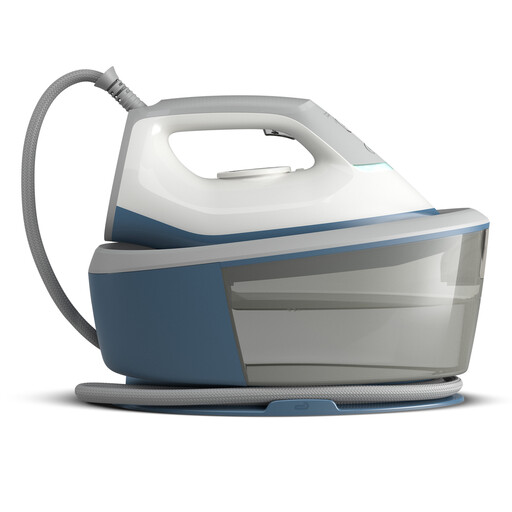
A steam generator has a separate water-tank base, making it less compact to set up and store than a conventional iron.
Check your storage and ironing-board space before choosing that format for larger shirt loads.
Philips says regular descaling helps prevent brown water, staining and leaking. A filter or collector does not remove the need to follow the model’s cleaning instructions.
Read the manual’s water and cleaning guidance, and choose a procedure you can keep up with.
A damaged cable, visible damage or leaking makes an iron unsuitable for continued use.
Inspect the appliance before use. Stop using it if it is damaged or operating abnormally, and seek a competent repair route rather than attempting an unsafe repair.
A reference point for comparing conventional irons, steam generators and handheld steamers within one manufacturer’s range.
Relevant when comparing published steam figures and model-specific scale-control features.
Relevant to buyers weighing conventional pressing against cordless handling.
These choices cover a conventional steam iron for routine shirt pressing and a steam generator to consider for longer sessions.
 No image available
Consider this format if you regularly press larger loads of shirts and have space for its separate base.
2400 W. Check the model manual for its cleaning procedure and water guidance.
 No image available
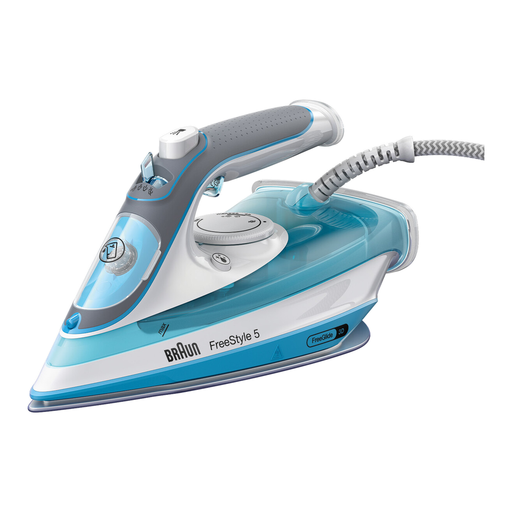
A conventional iron to consider for routine cotton-shirt pressing; check whether its soleplate handling suits your collar and button-area work.
2600 W; FreeGlide 3D, anti-drip and SuperCeramic soleplate. Confirm the exact model’s continuous-steam figure and cleaning instructions before buying.
No: a conventional steam iron is the more compact option for a few shirts at a time. Consider a steam generator if you repeatedly iron large loads and have room to set up and store its separate base.
Follow the cleaning and water instructions for your exact model. Philips says regular descaling helps prevent brown stains, brown water and leaking; the appropriate procedure depends on the appliance.
Unplug it first. Tefal’s safety guidance also says to unplug the appliance after each use; inspect the cable and appliance for damage before using it again.