What matters when choosing an iron?
Decide how much detailed sleeve work and batch pressing you actually do before comparing steam figures. One-temperature control addresses fabric changes within the iron choice; it does not replace garment care instructions.
| Concern |
What to check |
Who this matters to |
| Sleeve and cuff detail |
Look for a precision tip that can reach seams and button areas; check whether the garment permits steam. |
I need a defined sleeve crease and room to work around cuffs without pressing over buttons. Around 33% of consumers would put detailed pressing first. |
| Recurring batches |
Compare continuous steam, tank capacity and refill arrangements, as well as space for a generator base. |
When several uniforms need pressing during a changeover, interruptions matter more to me than a headline steam boost. Roughly 27% of consumers would prioritise getting through the batch. |
| Mixed fabrics |
Check the exact model’s fabric guidance against every care label, including restrictions on prints and trims. |
If the uniforms vary in fabric, I want fewer temperature changes without overlooking care restrictions. Around 20% of consumers would make fabric handling their primary concern. |
| Upkeep and checks |
Review scale-cleaning instructions and plan visual checks of the plug, lead and iron. |
With an iron used repeatedly, I want a cleaning and appliance-check routine I can keep up. Approximately 20% of consumers would put upkeep and safety checks first. |
Joybuy irons for different pressing needs
These choices cover a conventional iron for detailed sleeve work, a steam generator to consider for larger sessions and a compact project iron for close-up pressing. Match each type to the amount of uniform laundry and the space available.
 No image available
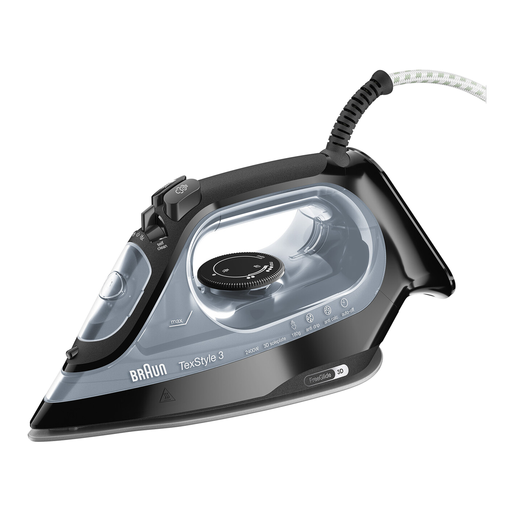
Braun TexStyle 7 Pro SI7160BL Steam Iron
Consider this conventional iron if reaching sleeve seams, cuffs and button areas is the main task.
The listed variant has a precision tip, a FreeGlide 3D EloxalPlus soleplate and a 2600 W rating. Follow each uniform’s care label when pressing.
View on Joybuy
 No image available
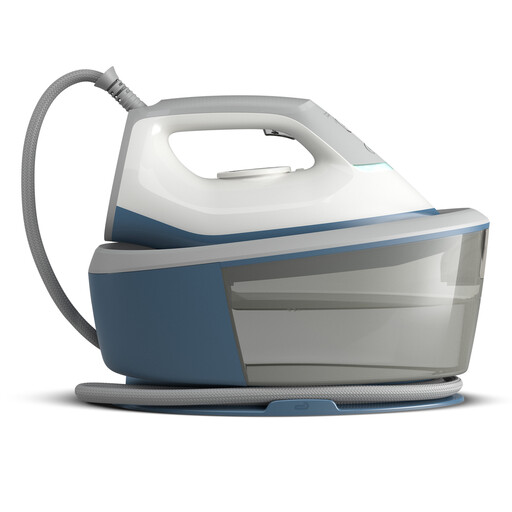
Philips 2000 Series PSG2000/20 Steam Generator
Consider a steam generator for longer uniform-pressing sessions if a separate base fits the work and storage space.
This is the 2400 W PSG2000/20 variant. If narrow cuffs and button areas are the priority, check the soleplate shape before choosing it.
View on Joybuy
 No image available
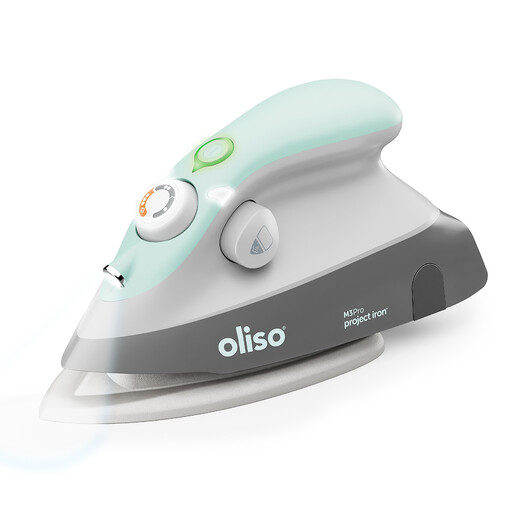
Oliso M3Pro Mini Project Steam Iron, Mint Green
This mini project iron is an option to assess for close-up sleeve and seam work, rather than assuming it suits an entire recurring laundry batch.
Its listed uses include sewing, quilting and crafting. Check its working capacity against the number of uniforms you normally press.
View on Joybuy
Frequently asked questions
Can a handheld steamer make crisp uniform sleeve creases?
Choose an iron when a defined pressed crease is required. Philips says a garment steamer does not produce the same result as an iron, especially on thick cotton or linen shirts; a steamer remains an option for lighter touch-ups.
What helps when pressing around cuffs and buttons?
A precision tip is a useful feature to check for narrow areas. Tefal identifies the tip on its FV6848G0 as intended for navigating pleats and buttons; check the shape of the particular iron you are considering.
When is a steam-generator iron worth considering for a holiday let?
Consider one when you regularly press larger batches and can accommodate its separate base. For occasional sleeve work, a conventional iron avoids that additional setup; compare the actual batch size, refill arrangements and garment care requirements before deciding.
Is annual PAT testing legally required for the iron?
The Health and Safety Executive says the Electricity at Work Regulations 1989 require electrical equipment that could cause injury to be maintained in a safe condition, but do not prescribe annual PAT testing or a fixed inspection interval. Inspection frequency depends on the equipment and environment; check any separate contractual or insurer requirements that apply to the holiday let.
Does an anti-calc feature remove the need to clean an iron?
No. Scale collectors and self-clean functions are maintenance aids, not a substitute for the exact model’s cleaning instructions. Follow its manual for water use and scale removal.


