
24/7 Customer Support

Free returns

Same-day & Next-day Delivery

Quality Guaranteed

Unlock Your Welcome Offers: FREE Delivery | Up to 80% OFF | Free 30-day JoyPlus trial
Download the APP
From a simple slice of toast to a key ingredient in home baking, the right jam or spread can make all the difference. Yet, the supermarket aisle and online stores are filled with so many options that choosing one can be surprisingly complex. Many products look appealing, but not all deliver on their promise of fruity flavour and quality. As a Joybuy Product Recommendation Officer, my role is to help you see past the marketing and make a choice that suits your pantry and your palate.
Before you add a jar to your basket, let's look at a few common pitfalls that can lead to a disappointing purchase.
To ensure you're getting a quality product, focus on these three key details on the label. They provide a much clearer picture than the promotional text on the front.
This is perhaps the most important factor. Look for the phrase "Prepared with Xg of fruit per 100g". This tells you exactly how much fruit was used to make the final product.
Understanding the difference helps you choose the right texture for your needs, whether it's for smooth toast toppings or as baking ingredients.
A shorter ingredient list is often a sign of a higher-quality product. A good jam or conserve can be made with just fruit, sugar, a gelling agent (like natural fruit pectin) and perhaps some lemon juice as a preservative. Be mindful of:
Based on these criteria, here are a few recommendations tailored to different needs and preferences.
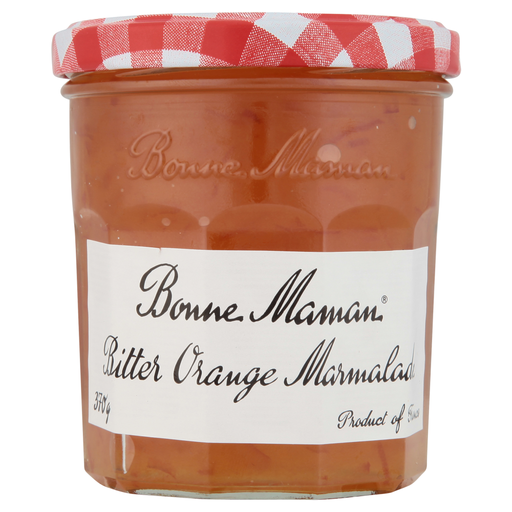
Why This Fits Their Persona: This is a classic choice for those who appreciate a traditional start to their day. The fine shred texture is perfect for spreading evenly on toast and the bitter orange flavour is authentic and not overly sweet, making it a timeless breakfast staple.
It clearly identifies as a marmalade and avoids confusion. The ingredient list is simple and traditional—oranges, sugar and fruit pectin—with no artificial additives, ensuring an authentic taste.
Made with real oranges and cane sugar for a classic, homemade-style flavour. It is also gluten-free and suitable for vegetarians.
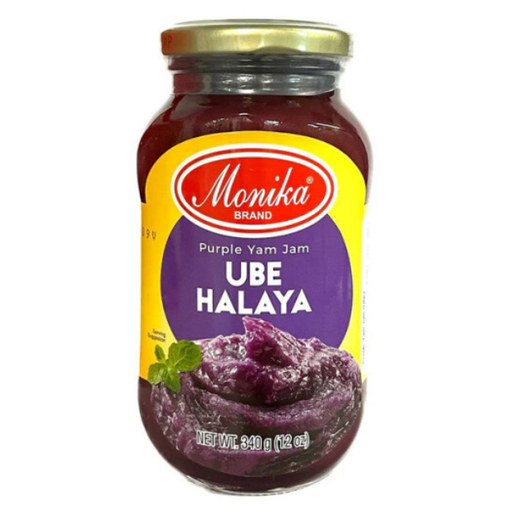
Why This Fits Their Persona: For those who see preserves as a versatile baking ingredient, this Ube jam offers a unique flavour and a stunning natural colour. It's perfect for creating eye-catching cakes, fillings for pastries or adding a twist to classic desserts.
This product is transparent about its unique nature. It boasts a high 45% purple yam content, ensuring its flavour and colour are authentic, not the result of artificial additives or flavourings.
Offers a distinctive, mildly nutty and sweet flavour profile that stands out from typical fruit jams. Its vibrant purple hue is entirely natural, adding visual appeal to baked goods.
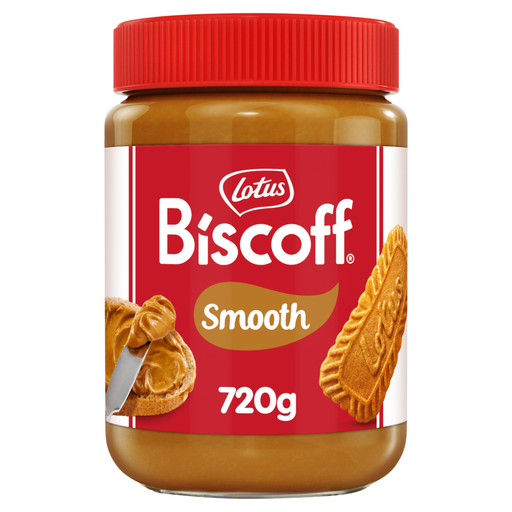
Why This Fits Their Persona: For those seeking a sweet treat beyond fruit, this spread is a popular choice. It's an excellent alternative to chocolate spread, perfect for topping pancakes, dipping fruit or enjoying straight from the jar.
It is transparent about its ingredients, with 58% caramelised biscuits as the primary component. It contains no added colours or flavours, relying on the original biscuit recipe for its distinctive taste.
Offers a unique, rich caramelised and spiced flavour with a velvety smooth texture. It is also suitable for vegans and made with RSPO-certified sustainable palm oil.
We have compiled a complete, real-time list of products that fully satisfy these strict selection criteria and UK safety regulations.
The main difference lies in the form of the fruit used. Jam is made from crushed or puréed fruit, giving it a smoother consistency. Conserve uses whole or large chunks of fruit, resulting in a chunkier texture. Marmalade is a citrus-specific preserve that includes pieces of the fruit's peel (shred), which adds a slightly bitter note.
Once opened, most jams, conserves and marmalades should be refrigerated and consumed within 3 to 6 weeks. Always check the product label for specific storage instructions. Using a clean spoon for each serving helps prevent contamination and prolongs freshness.
While most jams can be used in baking, some are better suited than others. Jams with a higher pectin content and a firmer set work well as fillings for tarts and biscuits, as they are less likely to run when heated. Smoother jams are excellent for glazes or swirling into cake batter. For the truest fruit flavour in your baking, choose a jam with a high fruit content.