
24/7 Customer Support

Free returns

Same-day & Next-day Delivery

Quality Guaranteed

Unlock Your Welcome Offers: FREE Delivery | Up to 80% OFF | Free 30-day JoyPlus trial
Download the APP
From a simple slice of toast to the heart of a Victoria sponge, the right jam or spread can make all the difference. Yet, the supermarket aisle presents a confusing array of jars, all vying for a place in your pantry. Navigating the labels on jams and spreads can feel like a chore, with marketing claims often obscuring what is actually inside the jar. As a Joybuy Product Recommendation Officer, my role is to help you see past the hype and make choices that suit your taste, budget and kitchen needs.
Many shoppers find themselves disappointed with a purchase that looked promising on the shelf. This often comes down to a few common purchasing pitfalls that are easy to fall into.
To ensure you are getting a quality product, focus on the information on the back of the jar, not just the marketing on the front. Here are the two most important factors to analyse.
The single most reliable indicator of a fruit preserve's quality is its fruit content. Look for the phrase "prepared with Xg of fruit per 100g" on the ingredients list.
A higher fruit content generally means less room for added sugar and a richer, more authentic taste.
Beyond the fruit, the rest of the list tells an important story.
Instead of providing a generic list, we have matched some standout options to specific needs and preferences, helping you find the right jar for your household.
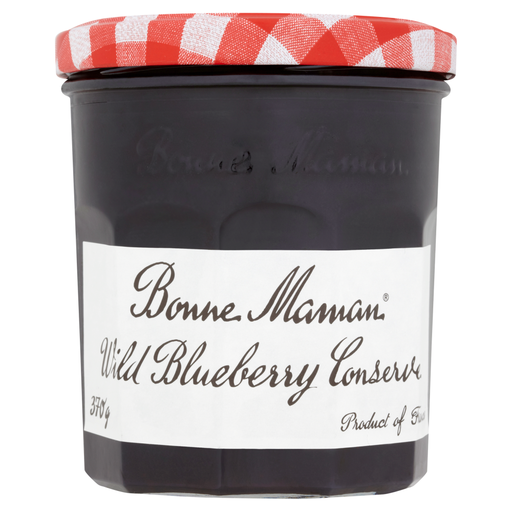
Why This Fits Their Persona: For those who appreciate a classic, high-quality spread for their morning toast or scones. This Bonne Maman conserve offers a familiar, trusted flavour profile with a simple, traditional recipe that feels reliably wholesome.
It sidesteps the "fruit flavoured" trap with a declared high fruit content of 50g of blueberries per 100g. The ingredient list is short and simple, avoiding the pitfall of ambiguous "natural" claims.
An intense, authentic fruit flavour thanks to its high fruit content. The recipe is free from artificial additives, colours and preservatives.
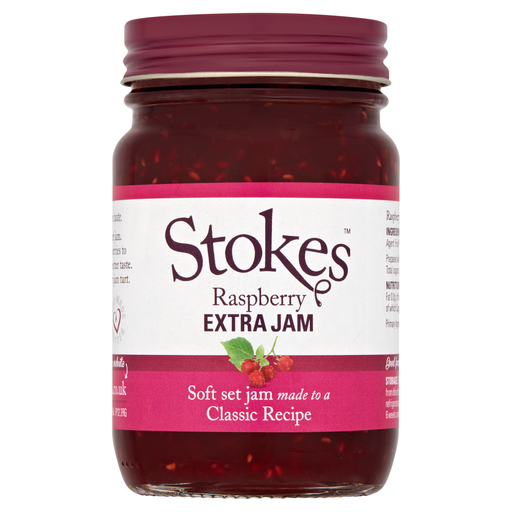
Why This Fits Their Persona: For the keen baker who needs a reliable jam for baking that delivers on flavour and texture. This jam is specifically noted for its suitability as a filling for tarts, making it a practical choice for various baking projects.
It avoids the wrong-texture trap by being a "soft set" jam, which is versatile for both spreading and baking. It clearly states its "Extra Jam" quality with 45g of fruit per 100g, ensuring a robust flavour that will not get lost in a bake.
A great balance of fruit content and a soft set texture designed for culinary use. It is also gluten-free and suitable for vegans.
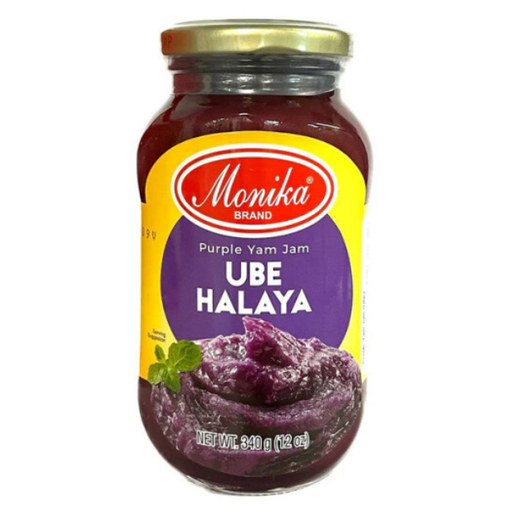
Why This Fits Their Persona: Perfect for those looking to explore world food preserves beyond the usual strawberry jam or orange marmalade. This Filipino-inspired Ube (purple yam) jam offers a unique, mildly nutty and sweet flavour for creative desserts, pastries or a colourful twist on breakfast.
Its value is in its unique primary ingredient, not misleading claims. The label is upfront, stating it is made with Purple Yam (45%), so you know exactly what you are getting. It is not a "fruit flavoured" spread but a genuine vegetable-based preserve.
Offers a completely different flavour profile to traditional fruit preserves. Its vibrant purple colour is natural and adds visual appeal to desserts and baked goods.
We have compiled a complete, real-time list of products that fully satisfy these strict selection criteria and UK safety regulations.
The main difference lies in how the fruit is prepared. Jam is made with crushed or puréed fruit, giving it a smoother consistency. Conserve uses whole fruit or large chunks, resulting in a chunkier texture. Marmalade is a citrus preserve made from the juice and peel of the fruit, most famously Seville oranges for a classic orange marmalade.
The two most reliable indicators are a high fruit content and a simple ingredients list. Look for products with at least 45g of fruit per 100g. A quality preserve should primarily contain fruit, sugar and a natural gelling agent like pectin. The fewer unrecognisable additives, the better.
Many are, but it is not guaranteed. Most traditional fruit preserves are naturally vegan as they are made from fruit, sugar and pectin. However, you should always check the label for non-vegan additives or if the product is sweetened with honey. Spreads like Lotus Biscoff are explicitly labelled as suitable for vegans.