
24/7 Customer Support

Free returns

Same-day & Next-day Delivery

Quality Guaranteed

Unlock Your Welcome Offers: FREE Delivery | Up to 80% OFF | Free 30-day JoyPlus trial
Download the APP
From a simple slice of toast in the morning to a key ingredient in home baking, a good jar of jam or spread is a staple in many UK kitchens. Yet, the supermarket aisle presents a confusing array of choices. Labels can be misleading, and what seems like a bargain can often be a jar of disappointment. As a Joybuy Product Recommendation Officer, my role is to help you see past the marketing and choose a product that genuinely suits your needs.
Before you add a jar to your basket, be aware of these common purchasing pitfalls:
To make an informed choice, focus on a few core parameters that determine the quality and character of your spread.
This is perhaps the most important indicator of quality. Look for the phrase "Prepared with Xg of fruit per 100g" on the label. A higher number generally means a richer, more authentic fruit flavour. For a classic strawberry jam or apricot conserve, a fruit content of 45g per 100g or higher is a good sign that you are buying a quality product, full of natural taste rather than just sweetness.
The type of sweetener used has a significant impact on both taste and nutritional profile.
These terms are often used interchangeably, but they can indicate differences in texture and fruit content.
To help you find the right product for your household, here are a few options matched to different needs and preferences.
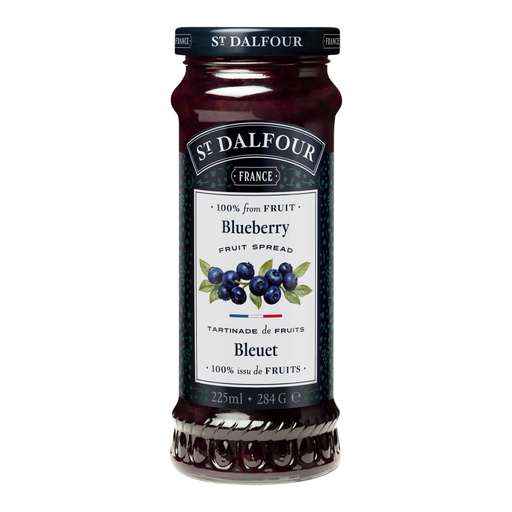
Why This Fits Their Persona: An excellent choice for those who read labels carefully and want to avoid added cane sugar. It's ideal for anyone seeking a rich fruit flavour for their breakfast spreads without compromising on ingredients.
This is a genuine 100% fruit spread, sweetened only with grape and date juice concentrates. It avoids the "healthy spread illusion" by being transparent about its simple, all-fruit ingredients.
Features a high fruit content of 51% blueberries and contains no artificial additives, flavours or preservatives. The flavour comes directly from the fruit.

Why This Fits Their Persona: For those who appreciate a classic, high-quality conserve for their morning toast or scone. This is a reliable choice that delivers a familiar and comforting flavour, rooted in a simple, traditional recipe.
It avoids the low-fruit-content trap with a clear declaration of "Prepared with 50g of Apricots per 100g". This ensures a product where the fruit flavour is the star, not just the sugar.
Made with a simple, recognisable ingredients list: apricots, sugar, brown cane sugar, lemon juice and fruit pectin. It offers a dependable and authentic taste.
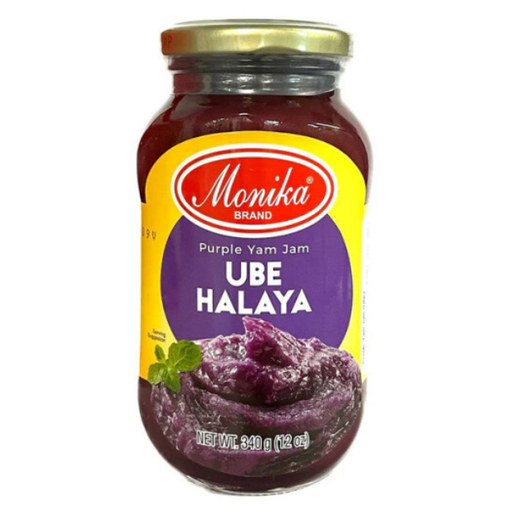
Why This Fits Their Persona: Perfect for home cooks and bakers looking for unique gourmet preserves. This Filipino-inspired purple yam (ube) jam offers a distinctive, mildly nutty flavour and vibrant colour for creative desserts, pastries or even savoury pairings.
This product moves beyond the standard fruit jam category, avoiding the pitfall of generic flavours. Its quality is anchored in its primary ingredient, with a clear QUID of 45% Purple Yam.
A highly versatile ingredient with a unique flavour profile and striking natural colour. It is an excellent starting point for exploring Filipino desserts like halo-halo or as a filling for baked goods.
We have compiled a complete, real-time list of products that fully satisfy these strict selection criteria and UK safety regulations.
Q1: What is the difference between jam, conserve and a fruit spread? In simple terms, the difference often comes down to texture and fruit content. Jam is typically made with crushed fruit, while conserve uses larger chunks or whole fruit. A "fruit spread" is a more general term that can describe a 100% fruit product sweetened with juice, or a product that doesn't meet the legal definition of jam. Always check the fruit content and ingredients list for clarity.
Q2: Is a '100% fruit spread' completely free of sugar? No, this is a common misconception. A "100% fruit spread" or "no added sugar" jam does not contain added cane sugar, but it does contain natural sugars from the fruit itself and, in most cases, from concentrated fruit juices used as a sweetener. The total sugar content per 100g is listed in the nutritional information on the jar.
Q3: How should I store my jam after opening? Once opened, all jams, conserves and spreads should be stored in the refrigerator. The lifespan can vary by product, so it is important to check the label. Some may last for up to 3 months, while others recommend consumption within 6 weeks. Proper storage ensures the product remains fresh and safe to eat.