
24/7 Customer Support

Free returns

Same-day & Next-day Delivery

Quality Guaranteed

Unlock Your Welcome Offers: FREE Delivery | Up to 80% OFF | Free 30-day JoyPlus trial
Download the APP
Navigating the world of juicers can feel overwhelming. With promises of effortless health and vibrant energy, it's easy to fall for marketing hype and end up with a machine that gathers dust in a cupboard. As a Product Recommendation Officer, my role is to help you sidestep the common pitfalls and find a juice extractor that genuinely fits your lifestyle. Before you spend your hard-earned money, let's look at the frequent issues that UK buyers face.
Many find themselves stuck with a juicer that is anything but convenient. The most common complaints often stem from three key areas:
easy to clean juicer should be genuinely simple to disassemble and rinse.wide mouth juicer is the promise of dropping in whole fruits. However, if the motor lacks the power to process them, you still end up spending considerable time chopping everything into small pieces, defeating the purpose of the feature.To avoid these traps, it’s crucial to understand the fundamental differences in juicer technology. Your choice here will impact everything from juice quality and prep time to the noise level in your kitchen.
This is the most important decision you will make. The mechanism a juice extractor uses determines its performance with different types of produce.
Centrifugal Juicer: These machines work by using a flat cutting blade that spins at very high speed (often 6,000-14,000 RPM). It shreds the produce and flings the juice out through a fine mesh filter, separating it from the pulp. They are fast, generally more affordable and work well for hard fruits and vegetables like apples and carrots. The trade-off is that the high-speed process can introduce more heat and oxygen, which may impact the nutrient stability and shelf-life of the juice.
Slow Juicer (Masticating Juicer): Also known as a cold press juicer, this type uses a single auger (a screw-like gear) to slowly crush and squeeze produce against a screen. The speed is much lower, typically around 50-100 RPM. This gentle process generates minimal heat, reduces oxidation and is highly effective at extracting juice from leafy greens like kale and spinach, as well as soft fruits. The result is often a higher juice yield and a beverage that can stay fresh for longer.
Beyond the core type, pay close attention to these practical design elements:
wide mouth juicer. This significantly cuts down on the time you spend chopping apples, cucumbers and other large items. However, always check that the motor power is sufficient to handle larger pieces effectively.citrus juicer models even offer adjustable pulp settings, allowing you to choose how much fibre goes into your orange juicer creations.Instead of a one-size-fits-all approach, we've matched a few standout models to specific user needs, helping you find a juicer that aligns with your daily routine and budget.
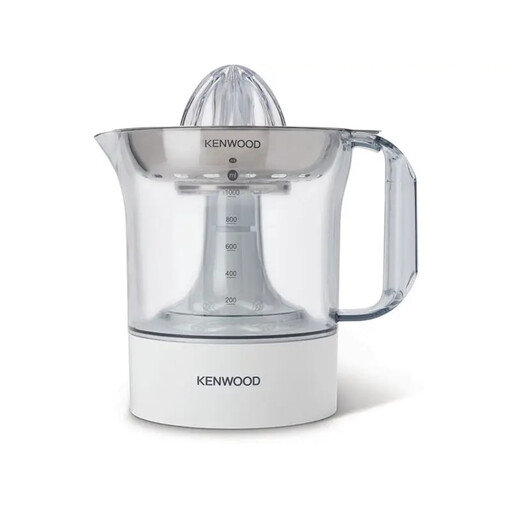
Why This Fits Their Persona: For those in the UK wanting to start juicing with a focus on classic orange or lemon juice, this electric citrus press is an ideal entry point. It's affordable, compact and doesn't require a significant investment or commitment.
Its simple, specialised design means it has very few parts. The reamer, filter and jug are all detachable and dishwasher-safe, making it genuinely easy to clean and avoiding the number one pitfall.
The two-way rotating motor extracts a high yield from citrus fruits, and the 1L jug is large enough for a family breakfast. Its compact size is perfect for smaller British kitchens.

Why This Fits Their Persona: This centrifugal juicer is built for speed and convenience. It's ideal for those who need a quick, healthy juice in the morning before work or for getting nutrients into kids without a lengthy process.
The 800W motor and 3-inch (7.6cm) wide chute deliver on the promise of less prep time. It can handle whole apples and large carrots, avoiding the prep-time deception of weaker models.
It offers two speeds for hard and soft produce, optimising yield. The large 1.5L pulp basin allows for continuous juicing and the main components are dishwasher-safe for easier cleanup.
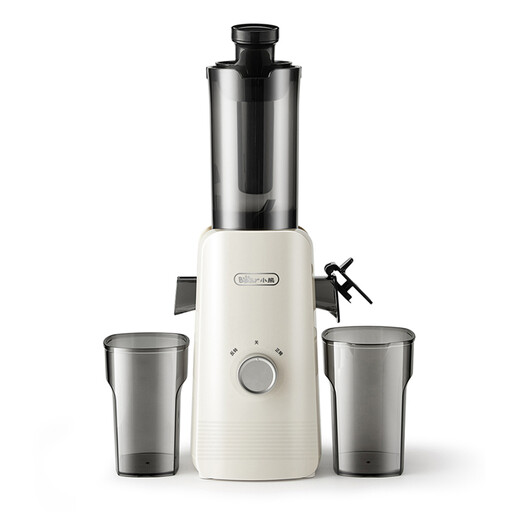
Why This Fits Their Persona: This is a `slow masticating juicer` for those who prioritise nutrient retention and high juice yield, especially from leafy greens. It's an investment in quality for the dedicated home juicer.
As a `cold press juicer`, it excels at extracting juice from a wide variety of produce, including difficult greens, avoiding the low-yield frustration. The 80mm wide mouth also reduces prep time.
The slow 50-80 RPM speed minimises oxidation, meaning juice stays fresher for longer. Its quiet operation (approx. 60 dB) is a significant benefit over loud centrifugal models.
We have compiled a complete, real-time list of products that fully satisfy these strict selection criteria and UK safety regulations.
One is not inherently "better" than the other; they are suited for different purposes. A slow juicer is generally more efficient at extracting more juice with less oxidation, particularly from leafy greens. This makes it a good choice for those prioritising maximum nutrient retention. A centrifugal juicer is much faster and often more affordable, making it ideal for busy individuals who primarily juice hard fruits and vegetables and plan to drink the juice immediately.
This depends heavily on the type of juice extractor used. Juice from a high-speed centrifugal juicer is best consumed within 30 minutes to an hour, as the rapid oxidation process can degrade its quality. Juice from a cold press juicer or masticating juicer has been exposed to far less oxygen and can typically be stored in an airtight container in the refrigerator for up to 48-72 hours.
Prices can vary widely. A simple manual or electric citrus juicer can be found for as little as ?20-?50. Entry-level centrifugal models typically range from ?60 to ?150. High-performance slow juicer models, which offer higher yields and better nutrient preservation, usually start around ?150 and can go up to ?400 or more for premium machines. The right choice depends on your budget and how seriously you plan to incorporate juicing into your routine.