
24/7 Customer Support

Free returns

Same-day & Next-day Delivery

Quality Guaranteed

Unlock Your Welcome Offers: FREE Delivery | Up to 80% OFF | Free 30-day JoyPlus trial
Download the APP
Watching your child gain confidence on their new bike or scooter is a true joy. With that freedom, however, comes a natural concern for their safety. Scrapes and tumbles are part of learning, but the right protective gear can help ensure these small incidents don't turn into something more serious.
Navigating the world of children's safety equipment can be confusing. As the Joybuy Product Recommendation Officer, my role is to help you find practical, reliable options. This guide cuts through the clutter, focusing on the features that matter most for keeping your young adventurers protected, whether they are cycling, scootering or skateboarding.
Before looking at specific products, it's helpful to understand the key features that define a quality kids bike helmet and pads set.
A helmet only provides protection if it fits correctly. Look for models with an adjustable dial system at the back, which allows you to fine-tune the fit to your child's head. Straps should form a 'V' shape around the ears and the chin buckle should be snug but comfortable. For younger children, finding a well-fitting toddler bike helmet is especially important, as their heads are still growing. An adjustable design ensures the gear remains effective as they grow.
In the UK and Europe, bicycle helmets should meet the CE EN 1078 safety standard. This certification indicates that the helmet has been tested for its ability to absorb impact and that its construction, including the strap and buckle, meets specific safety requirements. While this sounds technical, it's a straightforward indicator of a product's protective capabilities.
Consider how your child will be using their gear. For casual cycling and scootering, a classic half-shell helmet is usually sufficient. However, for activities with a higher risk of falls, such as skateboarding or BMX, you might consider more specialised kids skateboard protective gear. This can include a full-face kids bike helmet for enhanced chin and face protection, along with durable kids knee and elbow pads and wrist guards.
Here are our recommendations for protective gear that balances safety, comfort and practical features for UK families.
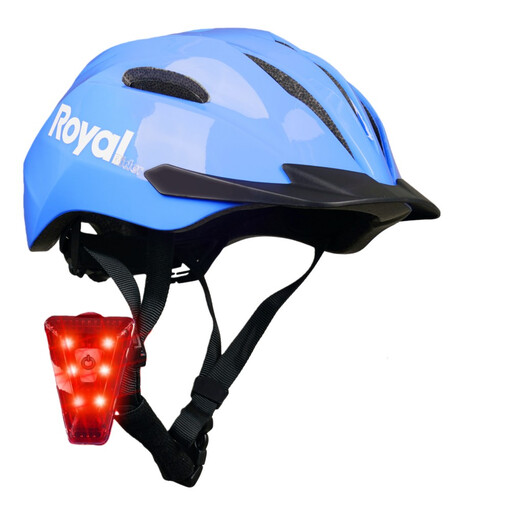
Why It Stands Out: This helmet's standout feature is the integrated 3-mode LED taillight. This significantly boosts a child's visibility to others, which is a major plus for evening rides or on overcast days. At just 250g, it's exceptionally lightweight, reducing strain on a child's neck and encouraging them to keep it on.
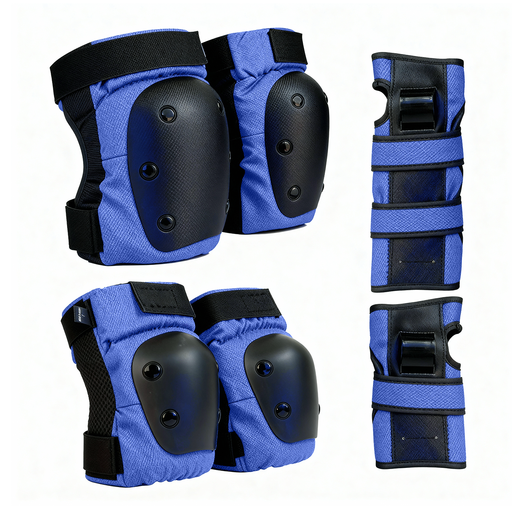
Why It Stands Out: This is a comprehensive safety solution for younger children. The set includes two knee pads, two elbow pads and two wrist guards, covering all the common impact points. The dual-layer design, featuring a hard PVC outer shell and a soft, breathable inner lining, is engineered to both disperse impact and maintain comfort during active play.
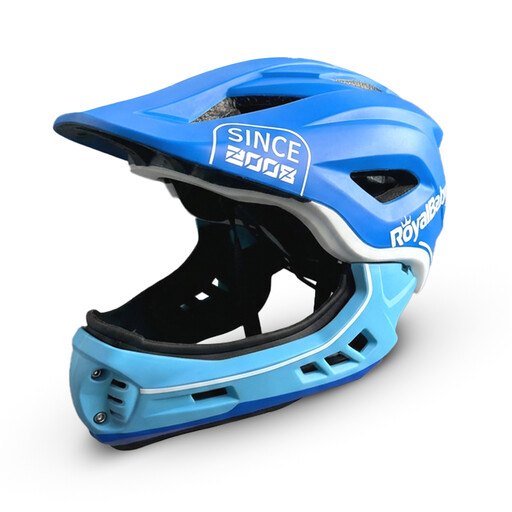
Why It Stands Out: Versatility is the key strength of this helmet. Its 2-in-1 convertible design features a detachable chin bar, allowing it to function as a full-face kids bike helmet for more demanding sports like BMX or as a standard half-helmet for everyday cycling. This adaptability makes it a great long-term investment for a child with evolving interests.
Ensuring a child's safety extends beyond personal protective equipment. Creating a secure environment for play, both indoors and out, is just as important. If you are looking to secure areas like balconies, staircases or garden perimeters, you might consider exploring options like a mesh safety net to add an extra layer of protection at home.
A correctly fitted helmet should be snug but not tight. You should only be able to fit one or two fingers between your child's eyebrows and the helmet's rim. The side straps should form a 'V' just below their earlobes, and the chin strap should be tight enough that you can only fit one finger between the strap and their chin. The helmet should not rock forwards, backwards or side-to-side.
You must replace a helmet after any significant crash or impact, even if there is no visible damage. The internal protective foam can be compromised without any outward signs. Additionally, materials degrade over time due to exposure to sunlight and general wear. It is generally recommended to replace a helmet every 3-5 years, but always check the manufacturer's specific guidance.
Yes. Falls from scooters, even at low speeds, often result in scraped knees and elbows. Wearing pads not only prevents these common injuries but also helps build a child's confidence, as they feel more secure and are less afraid of falling. A complete child's cycling safety set is a sensible choice for all wheeled activities.