
24/7 Customer Support

Free returns

Same-day & Next-day Delivery

Quality Guaranteed

Unlock Your Welcome Offers: FREE Delivery | Up to 80% OFF | Free 30-day JoyPlus trial
Download the APP
As a parent or guardian, a child's safety during outdoor play is the top priority. Whether they are learning to ride their first bike, scooting to the park, or trying out a new skateboard, a properly fitted helmet is non-negotiable. But with so many options available, choosing the right one can feel overwhelming.
This guide is designed to help you navigate the key features to look for in a kids helmet. We will cover how to find the right fit, match the helmet to the activity, and highlight some recommended options that balance safety, comfort and child-friendly design.
Making an informed choice goes beyond picking a favourite colour. Consider these practical points to ensure your child is properly protected.
An ill-fitting helmet offers compromised protection. A helmet should be snug but not uncomfortably tight. Before you buy, measure your child's head circumference with a soft tape measure, positioning it about an inch above their eyebrows.
Look for an adjustable kids helmet with a rear dial system. This allows you to fine-tune the fit for a secure hold that doesn't wobble. Adjustable chin straps and removable foam pads also help create a customised and comfortable fit as your child grows.
The type of helmet your child needs can depend on their favourite activities.
In the UK, cycle helmets should meet the EN 1078 safety standard, which ensures they have passed specific impact absorption tests. Always check for this certification.
For added safety, especially during evening rides or on overcast days, a kids helmet with light is an excellent feature. A built-in rear LED light significantly increases a child's visibility to others.
Here are a few recommendations that stand out for their specific features, catering to different ages and activities.
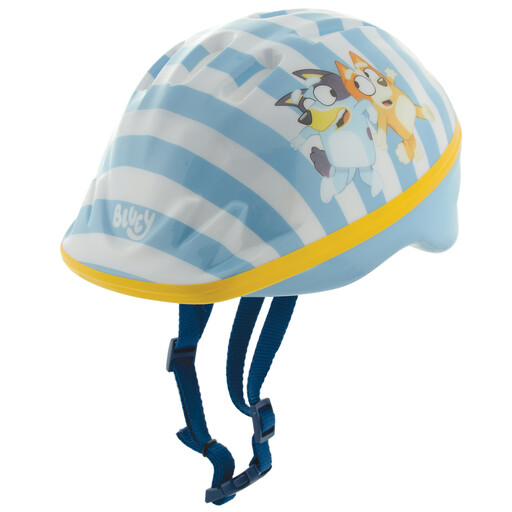
Why It Stands Out: Getting a toddler to wear a helmet can be a challenge. This officially licensed Bluey helmet uses a fun, recognisable design to make safety gear more appealing to young children. It combines this appeal with essential safety features.
Pros:
Who is it for? This is an ideal first toddler helmet for children aged 3 and up. It’s perfect for everyday adventures on a balance bike, scooter, or their first pedal bike, encouraging consistent and willing wear.
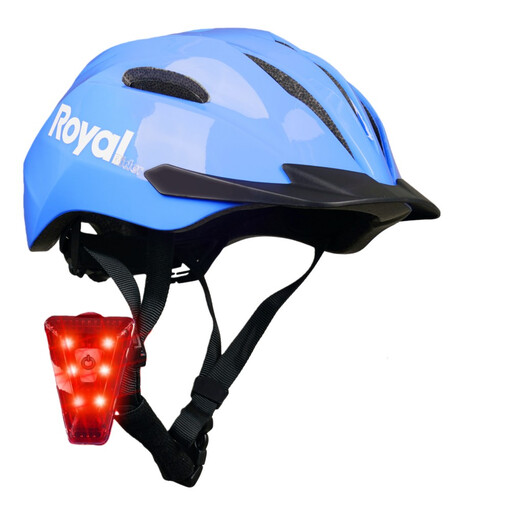
Why It Stands Out: This helmet’s main advantage is its integrated 3-mode LED taillight. The six bright red lights significantly boost a child's visibility in low-light conditions, providing an extra layer of safety for parents' peace of mind.
Pros:
Who is it for? This is a great choice for children aged 5-13 who cycle or scoot in various conditions, including early mornings or late afternoons. It’s a versatile kids bike helmet for families who prioritise visibility.
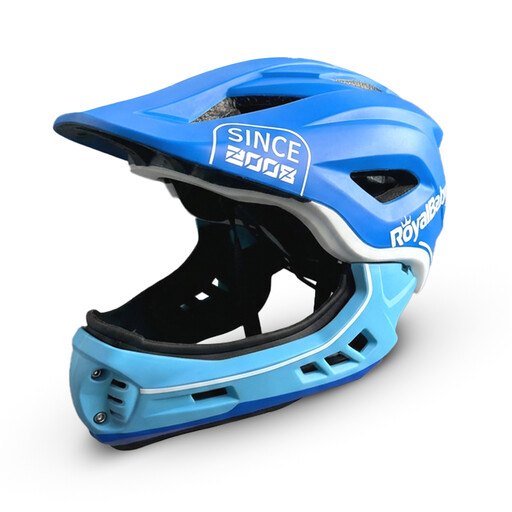
Why It Stands Out: Versatility is the key feature here. This helmet has a detachable chin bar, allowing it to function as both a standard half helmet and a full face kids helmet. This 2-in-1 design adapts to your child's changing activities.
Pros:
Who is it for? This helmet is suited for adventurous children aged 5-13 who participate in a range of activities, from casual scooting to more demanding sports like dirt biking, where extra facial protection is needed.
These recommendations cover some of the most popular needs, but every child is different. If you're searching for other styles, colours, or specific features, there are many more choices available.
Explore our complete collection to find the perfect match for your child's personality and safety needs. Discover more in our Toy Helmet category.
1. How do I know if a kids helmet fits properly? A well-fitted helmet should sit level on the head, with the front edge about two finger-widths above the eyebrows. The side straps should form a 'V' shape just below the earlobes, and the chin strap should be snug enough that you can only fit one or two fingers between it and the chin. The helmet should not rock forwards, backwards, or side-to-side.
2. When should I replace a children's cycle helmet? You must replace a helmet immediately after it has sustained any impact in a crash, even if there is no visible damage. The internal protective foam can be compromised. It's also recommended to replace a helmet every 3-5 years, as materials can degrade over time. Finally, replace it as soon as your child outgrows it.
3. Are character helmets as safe as plain ones? Yes, provided they meet the same official safety standards (e.g., EN 1078 in the UK). A character design, like on a Bluey helmet, is a decorative feature intended to encourage children to wear their helmet. The safety of the helmet depends on its underlying construction, materials and certification, not its appearance.