
24/7 Customer Support

Free returns

Same-day & Next-day Delivery

Quality Guaranteed

Unlock Your Welcome Offers: FREE Delivery | Up to 80% OFF | Free 30-day JoyPlus trial
Download the APP
A kitchen bin might seem like a simple purchase, but choosing the wrong one can lead to daily frustration. From flimsy mechanisms that break within months to designs that are a nightmare to clean, a poorly chosen kitchen rubbish bin can be a genuine waste of money. As the Joybuy Product Recommendation Officer, my role is to help you navigate the options and find a solution that genuinely works for your home, without the marketing hype.
Before you buy, be aware of these common pitfalls that catch many shoppers out:
To avoid these issues, focus on a few core features that determine a bin's quality and longevity. Getting these right will ensure your new bin is a practical asset, not a daily annoyance.
The size of your bin should match your household's needs and your kitchen's space.
Crucial Measurement: Always check the total height of the bin with the lid fully open. This is a commonly overlooked detail that can prevent a bin from fitting under countertops or wall-mounted cabinets.
The material dictates not only the bin's appearance but also how easy it is to clean and how long it will last.
The way a bin opens affects hygiene and ease of use.
Based on these practical considerations, here are a few options matched to different household needs.
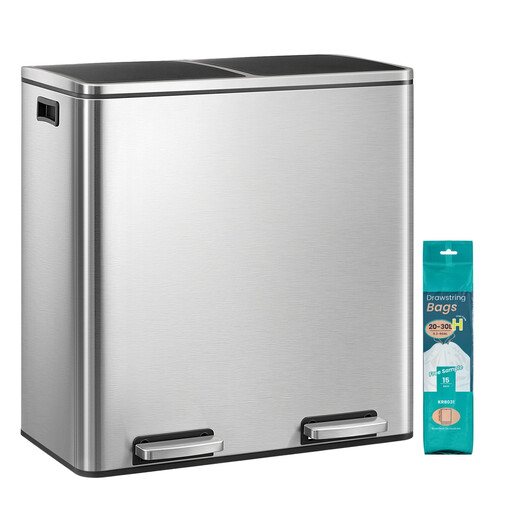
Why This Fits Their Persona: This is ideal for families or households committed to recycling. The two large 30L compartments make separating general waste from recyclables simple and tidy, all within a single, space-efficient unit.
It features two independent, sturdy foot pedals to reduce wear on a single mechanism. The soft-close lids prevent slamming, and the stainless steel body is built for durability.
A generous 60L total capacity and removable inner buckets with handles make emptying and cleaning straightforward.
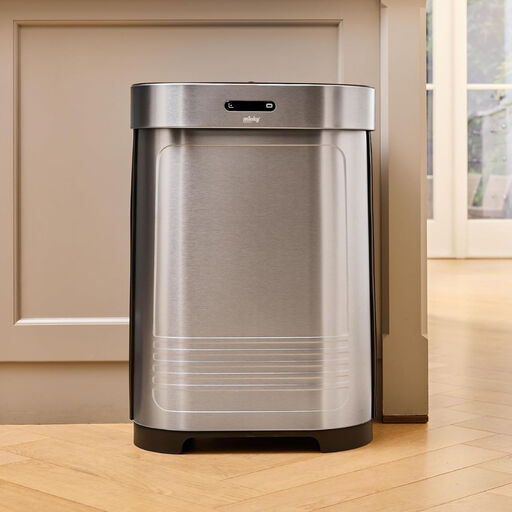
Why This Fits Their Persona: For those who prioritise cleanliness, this sensor bin offers completely touch-free waste disposal. Its large 55L capacity is great for busy families, reducing the frequency of taking the rubbish out.
It bypasses the weak pedal issue entirely with a reliable sensor. The exterior is described as fingerprint and stain resistant, tackling the "messy steel" problem and the lid is soft-closing.
Offers hygienic, hands-free operation and includes a manual override to keep the lid open for longer tasks, adding a layer of practical convenience.
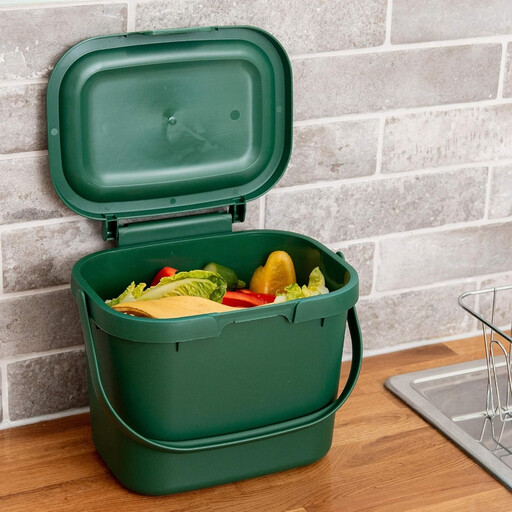
Why This Fits Their Persona: This is a simple, effective solution for anyone wanting to separate food waste. Its small 4.5L size is perfect for sitting on the worktop, collecting daily scraps for council food collections or a home compost heap.
Its strength is its simplicity. Made from durable, easy-to-clean plastic, there are no complex mechanisms to break or fail. It does one job and does it reliably.
The compact, space-saving design and integrated carry handle make it incredibly practical for daily use and easy emptying without mess.
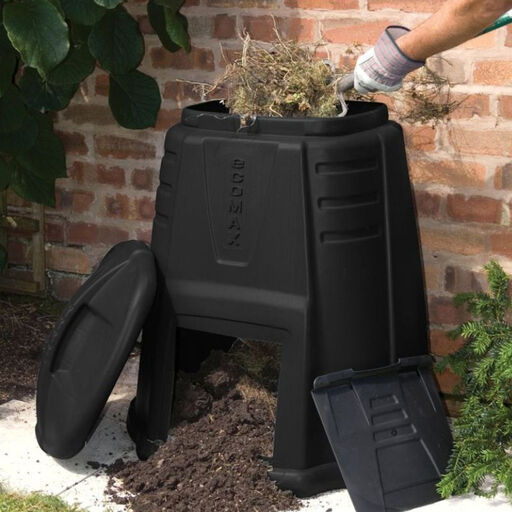
Why This Fits Their Persona: This is for the gardener who wants to turn kitchen and garden waste into valuable compost. It's a dedicated outdoor solution for reducing household waste and creating nutrient-rich soil improver.
This is a purpose-built outdoor composter. Made from weather-resistant recycled plastic, it's designed for function over complex features, ensuring it performs its core task for years.
The large 220L capacity handles a significant amount of waste, and the bottom access hatch allows for easy removal of finished compost while new material breaks down on top.
We have compiled a complete, real-time list of products that fully satisfy these strict selection criteria and UK safety regulations.
The most effective method is to separate wet food waste from dry general waste. Use a dedicated food waste caddy with compostable liners and empty it every 1-2 days. For your main bin, ensure you clean it regularly with a disinfectant, allow it to dry completely and use correctly sized bin liners to prevent spills.
For a typical family of four, a general waste bin with a capacity of 40 to 60 litres is usually a good starting point. This size strikes a balance between holding a reasonable amount of rubbish and not taking up excessive floor space. This should be supplemented with separate containers for recycling and food waste, as per your local council's collection scheme.
Modern sensor bins are generally reliable and offer excellent hygiene benefits, which many families find worthwhile. The main running cost is battery replacement. A key feature to look for is a manual open/close button. This allows you to override the sensor and keep the lid open when you're cooking or cleaning, which is a significant practical advantage.