
24/7 Customer Support

Free returns

Same-day & Next-day Delivery

Quality Guaranteed

Unlock Your Welcome Offers: FREE Delivery | Up to 80% OFF | Free 30-day JoyPlus trial
Download the APP
From your morning cereal to a hearty evening soup, the humble kitchen bowl is a daily workhorse. Yet, finding the right ones can be surprisingly frustrating. A cupboard full of mismatched, chipped or poorly designed bowls is a common sight in many UK homes. As a Joybuy Product Recommendation Officer, my role is to help you navigate the market and choose pieces that are practical, durable and fit for purpose, without falling for common marketing claims.
Before you add another bowl to your basket, let’s look at the three most common pitfalls that lead to buyer's remorse:
To avoid these issues, focus on a few key parameters. Analysing these will ensure you get bowls that serve you well for years.
The material of a bowl dictates its use, durability and care requirements.
Beyond material, the physical shape of a bowl determines its practicality.
Instead of a generic list, we've matched specific bowls to the people who will get the most value from them.
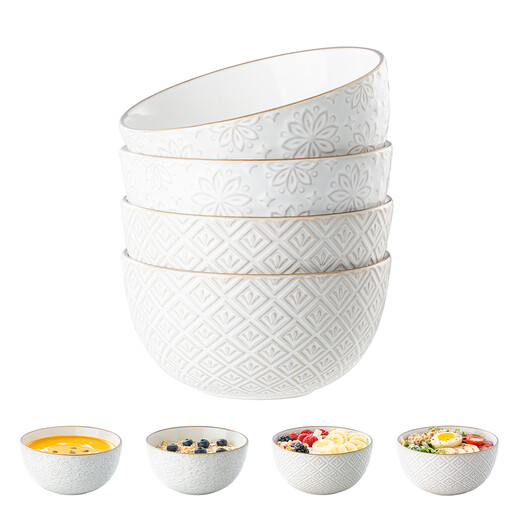
Why This Fits Their Persona: This set is built for the rigours of daily family life. The 29 oz capacity is generous enough for everything from a large portion of cereal to a comforting stew. They are designed to be true all-rounders for a busy household.
The design is explicitly stackable for efficient storage, solving the "stacking nightmare." Being safe for the microwave, oven, freezer and dishwasher, it also avoids the trap of limited, fragile functionality.
Made from durable, chip-resistant ceramic with a smooth glaze that resists food residue. The set features four different embossed patterns, adding a touch of style without sacrificing practicality.
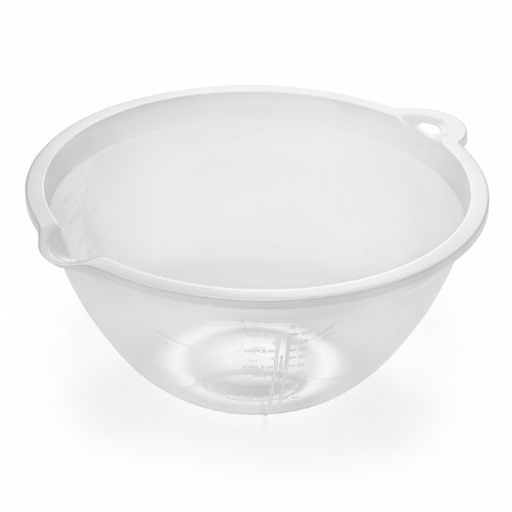
Why This Fits Their Persona: For anyone who regularly bakes cakes, proves dough or prepares large family meals, a generous and functional mixing bowl is essential. This 4-litre bowl provides ample space for large batches, preventing splashes and making work easier.
This bowl is purpose-built for function, not delicate aesthetics. Made from durable, BPA-free plastic, it won't chip like a ceramic bowl used for heavy mixing. Its value is in its practicality, avoiding the "fragile finish" pitfall entirely.
Features embossed metric and imperial measurements for quick portioning. It is also freezer, microwave and dishwasher safe, making it a versatile tool for all stages of food prep and clean-up.
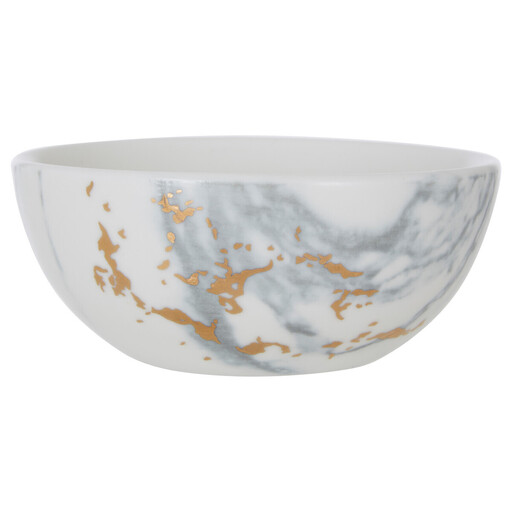
Why This Fits Their Persona: For those who see homeware as an extension of their decor, this bowl is an accent piece. It's perfect for presenting nuts, olives or other small snacks when entertaining, or simply as a decorative trinket bowl on a coffee table.
This bowl's primary purpose is aesthetic. By not being positioned as an everyday, heavy-duty item, it manages expectations. It is not intended for the microwave or dishwasher, which protects its delicate gold-toned details and matte finish.
Crafted from robust porcelain with a sophisticated matte finish that highlights its veining. The gold-toned accents provide a luxurious touch, making it a standout piece for serving or display.
We have compiled a complete, real-time list of products that fully satisfy these strict selection criteria and UK safety regulations.
Not necessarily. While the ceramic material itself can withstand high heat, it's the glaze and the risk of thermal shock (cracking due to rapid temperature change) that are the main concerns. Always check the manufacturer's specifications. A bowl rated as oven-safe can typically handle moderate oven temperatures for baking or reheating, but you should never take a bowl from the fridge directly to a hot oven.
While very durable, stainless steel can show fine scratches from metal utensils like electric hand mixers. To minimise this, consider using silicone-coated whisks or wooden spoons for general stirring. For cleaning, avoid highly abrasive scourers like steel wool. A standard washing-up sponge or a run through the dishwasher is usually sufficient and much gentler on the finish.