
24/7 Customer Support

Free returns

Same-day & Next-day Delivery

Quality Guaranteed

Unlock Your Welcome Offers: FREE Delivery | Up to 80% OFF | Free 30-day JoyPlus trial
Download the APP
Choosing between an electric food chopper, mini food chopper, multifunction blender or manual tool can be surprisingly difficult. Product listings often combine several functions, quote maximum wattage and show large bowls, but these details do not always explain how an appliance will fit into everyday UK cooking.
The most common buying pitfalls are:
The right choice depends on what you prepare most often, how much storage space you have and whether you prefer push-button convenience or a manual kitchen tool.
Wattage is useful as a comparison point, but it should not be viewed alone. A 300W mini food chopper may be suitable for herbs, onions, garlic, dips and small batches, while a higher-powered appliance may be more appropriate for tougher ingredients or larger quantities.
Look for the manufacturer’s instructions on continuous use and rest periods. For example, some compact choppers are designed to run for only around 30–40 seconds before a cooling interval. This is important when preparing several portions for a family meal.
For a multifunction blender or a blender for smoothies and ice crushing, also check whether ice processing is specifically listed. A food chopper designed for vegetables may not be intended for ice cubes or frozen food.
Capacity should match your household rather than simply being as large as possible.
Glass bowls resist odours and staining, while stainless steel is useful for raw ingredients and can reduce flavour transfer. Plastic bowls are often lighter and easier to store. Check whether the stated capacity is the usable working capacity; overfilling can lead to uneven results and spills.
A vegetable chopper slicer with interchangeable blades can handle slicing, dicing, grating and julienne preparation, but it may require more washing and storage space than a basic chopper.
For a meat mincer or electric meat grinder, check:
Do not assume that every removable component can go in the dishwasher. Motor bases should never be immersed in water, and some metal grinder parts can oxidise or discolour when exposed to dishwasher detergents.
A compact kitchen food processor is useful for recurring preparation tasks, but a manual food chopper may be more convenient if you only chop herbs or small amounts of vegetables. Families and meal-prep users may benefit from a larger bowl or separate containers for raw and cooked ingredients.
The following recommendations are grouped by practical use rather than broad performance claims.
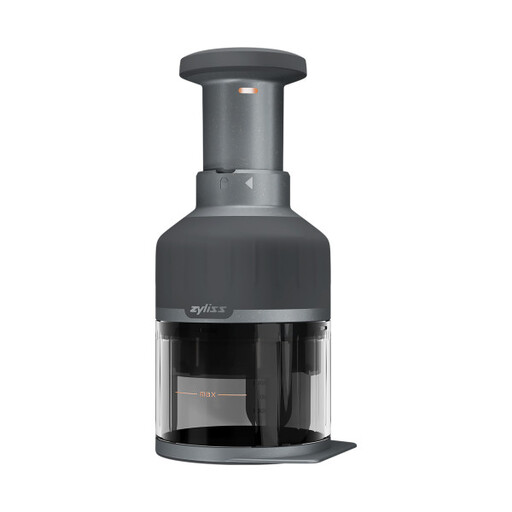
Why This Fits Their Persona: Its push-down mechanism needs no electricity, making it suitable for small kitchens, occasional cooks and quick preparation of herbs, nuts and vegetables.
It does not rely on inflated motor claims or complicated programmes. The manual design makes its intended use clear.
No power socket is required; stainless steel rotating blades and a clear container support controlled chopping.

Why This Fits Their Persona: The 350ml bowl and compact footprint suit flats, small households and cooks preparing sauces, breadcrumbs, nuts, herbs or chopped onions.
The small stated capacity sets realistic expectations and helps prevent buying a large appliance for occasional small batches.
It has two speeds plus pulse control, and the bowl and blade are listed as dishwasher safe.
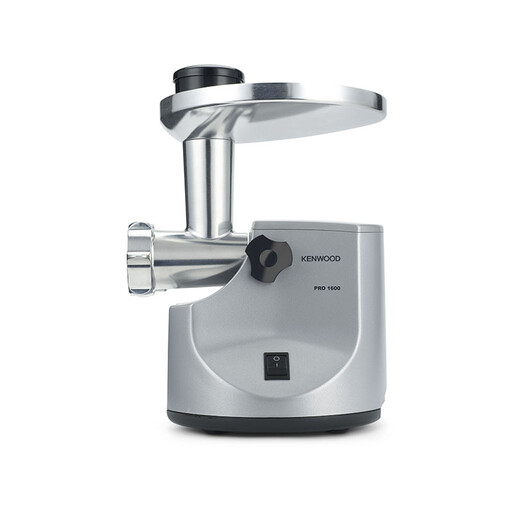
Why This Fits Their Persona: This option suits cooks who regularly prepare mince, sausages or kebbe and want different textures for family meals and batch cooking.
It provides three grinding screens, so buyers can select a texture rather than relying on a single generic mincing setting.
The listed features include a reverse function, overload protection, sausage and kebbe attachments, and parts described as dishwasher safe.
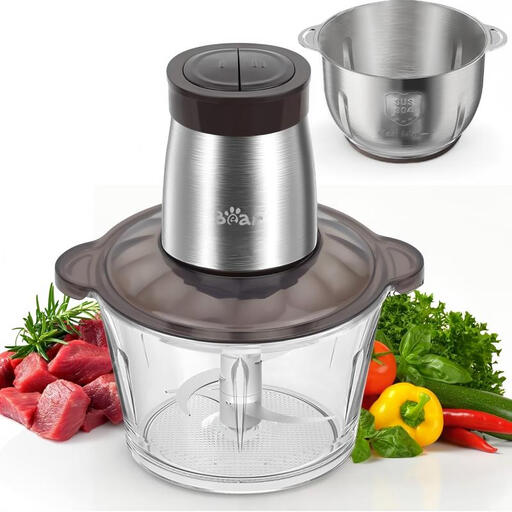
Why This Fits Their Persona: Two bowls allow households to prepare larger quantities and separate raw meat from vegetables, helping with organised meal preparation.
Its stated operating cycle makes the need for rest clear, reducing the risk of treating a compact appliance like a continuous commercial machine.
It includes a 2L glass bowl, a 1.8L stainless steel bowl, two speeds and dishwasher-safe bowls and blades.
Before buying, confirm that the appliance is suitable for 220–240V, 50Hz UK household supply, has clear operating instructions and includes appropriate safety locks or food pushers. Look for a plug and user documentation suitable for the UK market, and check the seller’s warranty and returns information.
To reduce running costs, prepare ingredients in sensible batches, avoid repeated empty operation and follow the stated rest periods. A compact machine used within its limits may be more practical than a larger appliance that occupies cupboard space and consumes more power for small tasks.
For specialist preparation, including a manual food chopper, meat mincer or vegetable preparation tool, browse the wider mincing utensil range.
We have compiled a complete, real-time list of products that fully satisfy these strict selection criteria and UK safety regulations.
Yes, if your typical tasks involve small quantities of herbs, onions, garlic, nuts, breadcrumbs, dips or sauces. Its smaller bowl can be limiting for family batch cooking, so check usable capacity before purchase.
It can cover some tasks, such as smoothies, purées and certain chopping jobs, but functions vary. Check whether the model is intended for meat, ice, spices or baby food, and follow the specific restrictions in its instructions.
Lifespan depends on build materials, cleaning and operating habits. Avoid overfilling, forcing hard ingredients, running beyond the recommended cycle and washing the motor base. Regularly checking blades, seals and attachments can also help identify wear before use.