
24/7 全天候客户支持

免费退货

当日/次日达

品质保障

开启新人专享福利: 全场免邮 | 低至 2 折 | 免费试用 30 天 JoyPlus 会员
下载 Joybuy
A humble kitchen sponge might seem like a simple purchase, but choosing the wrong one can lead to scratched pans, wasted money and a cupboard full of cleaning tools that just don’t work. As a Product Recommendation Officer at Joybuy, I see how easily shoppers can be misled by clever marketing. Before you add another pack of washing up sponges to your basket, let’s look at the common traps that cause frustration in kitchens across the UK.
To make a smarter choice, focus on the material and construction. These two factors determine a sponge's performance, longevity and suitability for your specific cleaning needs.
The abrasive side of a sponge scourer is what does the heavy lifting, but its material dictates what it can safely clean.
The sponge itself is more than just a handle for the scourer. Its material affects absorbency, durability and hygiene.
Instead of a one-size-fits-all approach, the right kitchen sponge depends on your lifestyle and cleaning habits. Here are a few options matched to different UK households.
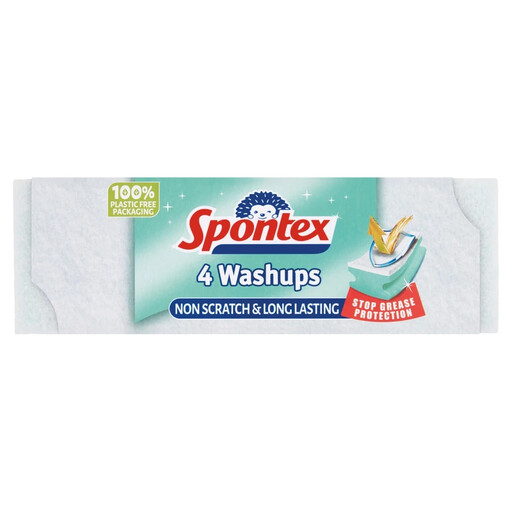
Why This Fits Their Persona: For those who have invested in quality non-stick or ceramic cookware, protecting that investment is paramount. This user needs a scourer that is effective on food residue but guaranteed not to damage delicate surfaces.
It directly solves the "one-size-scratches-all" problem. The non-scratch design is specifically made for delicate surfaces, giving peace of mind when cleaning expensive pans.
Features anti-grease technology to stay cleaner for longer and a contoured nailguard for better grip and protection during use.
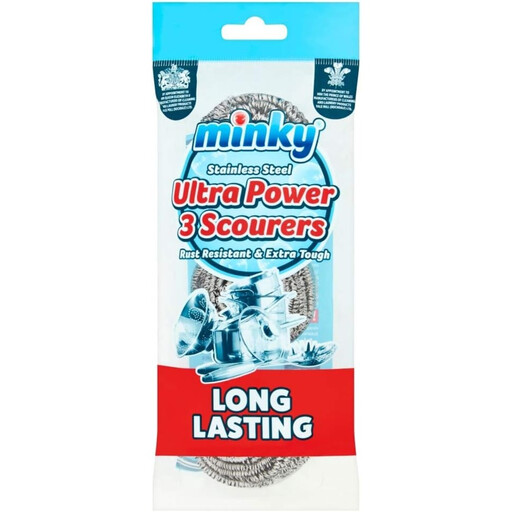
Why This Fits Their Persona: This user isn't afraid of tough messes. They need a tool with maximum scrubbing power for cleaning oven trays, BBQ grills and old metal pots with baked-on grime.
This isn't a general-purpose tool; it's a specialist. By choosing a dedicated heavy-duty scourer, you avoid the trap of using an inadequate sponge for a tough job or, conversely, a damaging one for a delicate task.
Made from long-lasting stainless steel fibres, it provides the abrasive power needed to remove burnt-on food and grease from suitable surfaces.
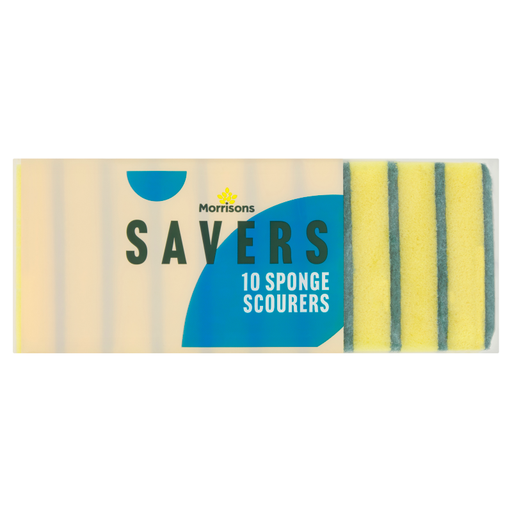
Why This Fits Their Persona: For a busy household, getting through daily washing up requires a reliable, no-fuss solution that doesn't break the bank. Value for money and practicality are the top priorities.
This option sidesteps the "disintegrating duo" trap by offering a large pack from a trusted retailer, ensuring a consistent and reliable standard of quality for a low price, rather than an unknown brand that may fall apart.
An excellent value pack of 10 dual-purpose scourers, providing a cost-effective supply for all general household cleaning tasks.
We have compiled a complete, real-time list of products that fully satisfy these strict selection criteria and UK safety regulations.
For hygiene reasons, it is good practice to replace your main washing up sponge every one to two weeks, or immediately if it develops an odour or begins to break down. Some sponges can be sanitised in the dishwasher (top rack) or by microwaving them while damp for 30 seconds, which may help prolong their freshness.
To prevent the spread of bacteria, it is highly advisable to use different sponges for different jobs. A common system is to use colour-coded sponges: one for dishes, a separate one for wiping down surfaces like countertops and tables and another for more heavy-duty tasks like floors or bins.
Yes, biodegradable washing up pads made from materials like natural loofah are effective cleaning tools. When soaked in water, the natural fibres become soft and pliable, providing a gentle but effective scrubbing action that won't scratch most surfaces. They also tend to dry out more quickly and completely than traditional sponges, which can help inhibit bacterial growth.