
24/7 Customer Support

Free returns

Same-day & Next-day Delivery

Quality Guaranteed

Unlock Your Welcome Offers: FREE Delivery | Up to 80% OFF | Free 30-day JoyPlus trial
Download the APP
By the Joybuy Product Recommendation Officer
Choosing among the best Korean face serums is less about collecting multiple bottles and more about matching one formula to your skin concern. A brightening face serum may suit post-blemish marks, while a centella ampoule may be more appropriate when your skin feels tight, reactive or overworked.
The product label, ingredient list and texture usually tell you more than a dramatic before-and-after image. This guide explains the common buying traps, the specifications worth checking and a selection of options for different routines.
A larger percentage can look persuasive, but it does not automatically mean a formula will suit your skin. Niacinamide serum, vitamin C serum and tranexamic acid serum products can have different strengths, pH levels, supporting ingredients and textures.
For example, a formula with several exfoliating acids may feel unsuitable if your routine already includes retinol or another exfoliating product. A lower-strength serum used consistently may be easier to incorporate than a highly concentrated product that causes discomfort.
Humectants, oils and light-reflecting textures can make skin look dewy immediately. That is a user-perceivable finish, not proof that dark spots or blemishes have changed. Look for a formula that addresses your specific concern and can be used comfortably over time.
“Natural” does not necessarily mean suitable for sensitive skin. Check the full INCI list for parfum, drying alcohol or fragrant essential oils if your skin is easily irritated. Also consider the product’s packaging: an airless pump can be practical for formulas containing oxidation-sensitive ingredients, while a dropper requires careful handling and storage.
A watery hydrating serum suits people who dislike layers or have an oily T-zone. Gel textures can provide moisture without a heavy feel, while milky or oil-phase formulas may be more comfortable for dry skin.
If you want a pore-refining serum, remember that pores cannot be permanently removed. Products may temporarily improve the look of texture, shine or congestion, but results depend on continued use and your wider routine.
Apply serum after cleansing and toner, then follow with moisturiser. Use sunscreen during the day, particularly when using an exfoliating serum or a brightening routine. Patch testing is sensible for sensitive or acne-prone skin, and new actives should be introduced one at a time.
For persistent or painful acne, widespread irritation or suspected skin disease, seek advice from a qualified healthcare professional rather than relying solely on cosmetic products.
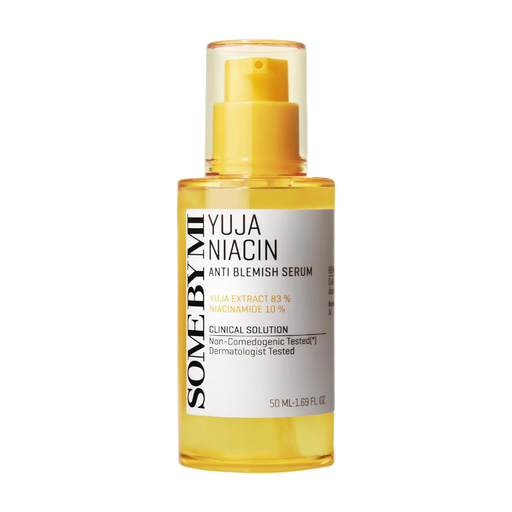
Why This Fits Their Persona: A 50ml gel serum is a practical starting point for shoppers wanting one product for dullness, post-blemish marks and excess shine.
The product information clearly identifies yuja extract and 10% niacinamide, rather than relying only on vague glow-focused language.
Lightweight gel texture; includes niacinamide, yuja extract and vitamin C derivatives.
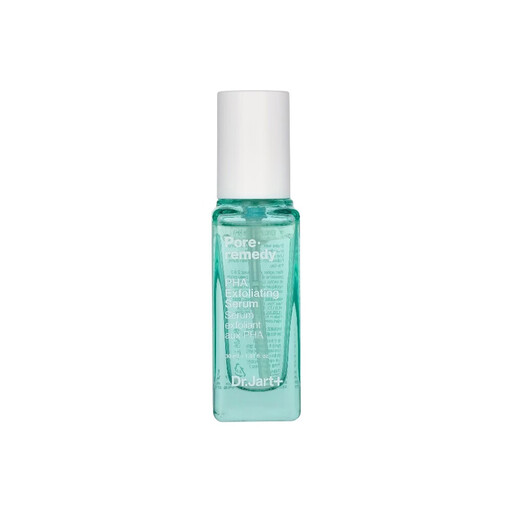
Why This Fits Their Persona: A targeted option for shoppers managing rough texture, visible pores or excess oil who want a clearly specified exfoliating step.
It states a 7% gluconolactone concentration, helping shoppers distinguish a PHA exfoliating serum from a general hydrating product.
Uses gluconolactone; contains panthenol and macadamia seed oil.
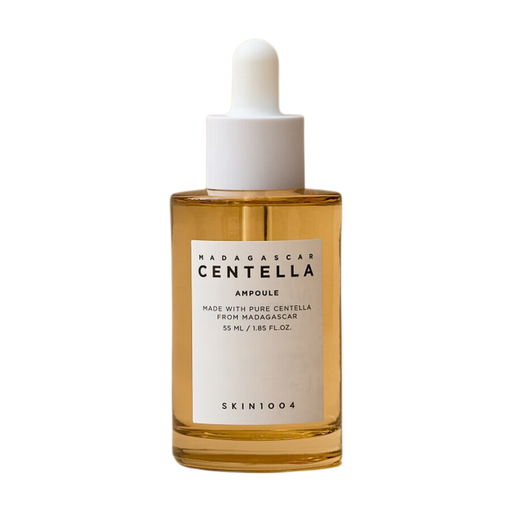
Why This Fits Their Persona: Its watery texture and single highlighted ingredient make it suitable for a simple routine when skin feels easily overwhelmed by multiple actives.
The listed formula is centred on Centella Asiatica Extract (100%), rather than combining several exfoliating or brightening actives.
100% Centella Asiatica Extract listed; lightweight 55ml ampoule format.
We have compiled a complete, real-time list of products that fully satisfy these strict selection criteria and UK safety regulations.
For a dark-spot routine, a tranexamic acid serum or vitamin C serum can be used alongside daily sun protection. For a weakened barrier, prioritise a skin barrier repair serum containing hydrating and supportive ingredients before returning to stronger actives.
This depends on the size, frequency of use, amount applied and packaging. A 30ml serum used once daily may last several weeks to a few months. Check the packaging for the period-after-opening symbol and storage guidance, and avoid using products that change noticeably in smell, colour or texture.
You may be able to, but combining several active formulas increases the chance of discomfort. Start with one product, use it consistently and introduce the second gradually. Avoid applying multiple acid products in the same routine unless the product directions indicate compatibility.
There is no universal choice. A simple centella ampoule or hydrating serum may suit skin that feels reactive, while salicylic acid products are often selected for visible congestion. Check the complete ingredient list, patch test first and stop use if irritation develops.