What to check when buying
Start with required software and local tools, then choose the memory, storage, screen and connections that fit the way you will work.
macOS laptop
Choose when: Your course and development tools support macOS and you want a compact computer for coding and study.
Trade-off: Check for Windows-only course software; Apple's cited MacBook Air has two Thunderbolt 4/USB-C ports, so some existing accessories may need an adapter.
Windows x86 laptop
Choose when: You need Windows software or plan a local Docker workflow using Docker's documented Windows x86_64 route.
Trade-off: Memory and storage vary within a model family: Lenovo lists ThinkPad E14 Gen 7 configurations with both 8GB RAM and 16GB RAM.
Windows-on-Arm laptop
Choose when: Your required applications, extensions and local tools support the exact Arm device and Windows version.
Trade-off: Docker lists its Windows Arm offering as Early Access, so confirm the container workflow before relying on it for coursework.
| Concern |
What to check |
Who this matters to |
| Local-workload headroom |
Check the exact RAM and SSD capacity. Consider 16GB RAM and 512GB SSD for more headroom; assess lighter configurations against your actual tools. |
If I code while keeping browser tools and local services open, I want enough room for those tasks together. Around 36% of consumers would put local-workload headroom first. |
| Desk and carrying needs |
Choose a screen size you can use at your desk and carry when needed; check monitor output and the ports for your existing accessories. |
If my laptop is also my small-room desk setup, I need a usable screen without awkward connections. Room practicality would come first for roughly 29% of consumers. |
| Software compatibility |
Check required course software, extensions and local tools against the operating system and processor architecture; verify container requirements separately. |
I cannot rely on the laptop for coursework if a required application or local workflow will not run on it. About 21% of consumers would make compatibility their primary concern. |
| Keeping the setup proportionate |
Compare complete configurations with your course requirements, including any connections you would need to add; do not choose by processor label alone. |
If my work is light, I would rather meet its requirements than buy capacity I will not use. Keeping the initial setup proportionate would lead for around 14% of consumers. |
Joybuy laptop choices
These laptops cover compact macOS and Windows-on-Arm setups alongside Windows models with different screen arrangements and sizes. Match the exact configuration and platform to your course software, local tools and available desk space.
 No image available
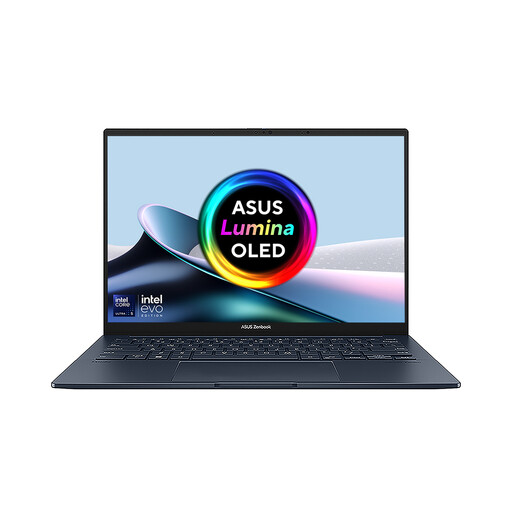
ASUS Zenbook DUO UX8406CA-QL135W, dual 14-inch OLED touchscreens, 16GB RAM, 1TB SSD
Consider its dual-screen arrangement if you want space for coding and reference material in one laptop. The listed configuration has an Intel Core Ultra 7 255H processor and 16GB LPDDR5X RAM; confirm the exact screen resolution before buying.
View on Joybuy
 No image available
ASUS Vivobook 14 X1407QA-LY003W, Snapdragon X, 16GB RAM, 512GB SSD, Quiet Blue
This Windows-on-Arm option is worth considering only after checking your course applications, editor extensions and local tools on Snapdragon X. It has a 14-inch format; if containers are essential, check the exact Docker workflow before ordering.
View on Joybuy
 No image available
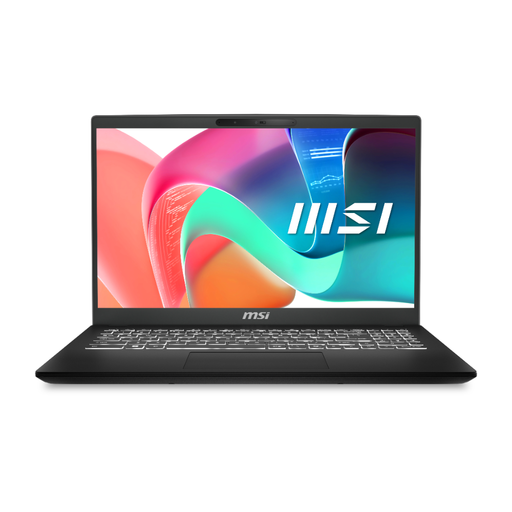
MSI Modern C2RMG-282UK, 15-inch FHD, Intel Core 5, 16GB RAM, 512GB SSD
Consider the larger built-in screen if most of your coding and browser work will happen at a desk. Confirm the exact processor model, Windows version and display specification against any course requirements.
View on Joybuy
 No image available
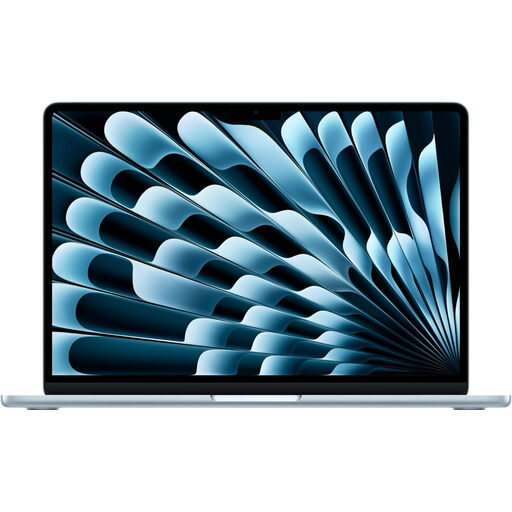
Apple 13-inch MacBook Air M5, 16GB unified memory, 1TB SSD, Sky Blue
This compact macOS configuration suits a course and development stack that support macOS. Check your required software and whether its two Thunderbolt 4 connections will need a compatible adapter for your accessories.
View on Joybuy
 No image available
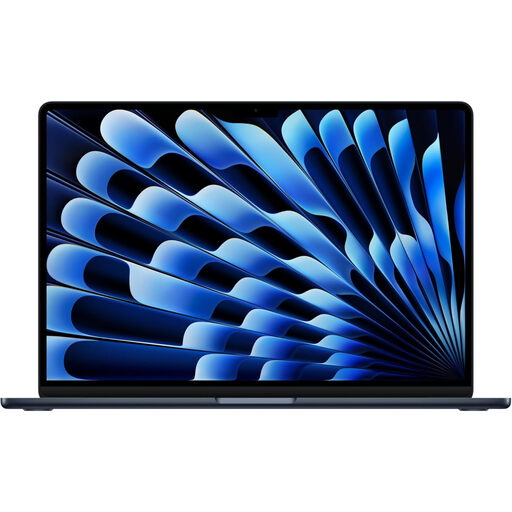
Apple 13-inch MacBook Air M5, 24GB unified memory, 1TB SSD, Midnight
Consider this higher-memory macOS variant if your planned workload calls for that capacity and your course tools support macOS. Check accessory connections for its two Thunderbolt 4 ports before choosing it over the 16GB variant.
View on Joybuy
Common questions
Is 8GB RAM enough to build a small website?
It can cover a light workflow, but do not treat it as a guarantee for every set of local tools. University of York lists 8GB as a student baseline, while University of Bristol describes 16GB as preferable for most students; check any containers, databases and course applications you expect to run.
Can a Chromebook be my only computer for this work?
Choose one as your only computer only if your required coursework and development tools work in your intended setup. University of Bristol cautions against Chromebooks as a main computer, and University of Hertfordshire notes that specialist software may not work on one.
What matters most before buying a Windows-on-Arm laptop?
Check your exact course applications, editor extensions and local-container workflow against the device's Arm processor and Windows version. Docker documents its Windows Arm offering as Early Access, separately from its Windows x86_64 route.
What if an online laptop purchase is unsuitable or faulty?
For a UK online purchase you wish to cancel, GOV.UK says to tell the seller within 14 days of receiving the item. A fault is a different issue: Coventry City Council Trading Standards says a refund is available in most cases up to 30 days. Keep the reason for contacting the seller clear, and do not confuse a retailer's voluntary returns policy with statutory remedies.


