
24/7 Customer Support

Free returns

Same-day & Next-day Delivery

Quality Guaranteed

Unlock Your Welcome Offers: FREE Delivery | Up to 80% OFF | Free 30-day JoyPlus trial
Download the APP
As a parent or carer, you are likely familiar with the trail of spills that follows an active toddler. From soggy changing bags to sticky car seats, finding a truly reliable leak proof toddler cup can feel like a quest. The market is filled with options, each promising to be the solution, which can make choosing the right one a challenge.
This guide is designed to help you navigate the choices. We will look at the key features to consider when selecting a toddler beaker or cup, and highlight a few recommendations that address common parental concerns like durability, hygiene and of course, preventing leaks.
Choosing the right cup often comes down to your child's age, developmental stage and personal habits. Here are a few practical points to consider.
The drinking mechanism is a critical feature. For younger infants, a baby trainer cup 6 months with a soft, flexible spout can be a gentle introduction to drinking independently. As your child gets older and their teeth develop, they might start to chew on spouts. In this case, a hard spout sippy cup offers greater durability and can withstand more wear and tear. For promoting oral motor skills, many parents opt for a weighted straw cup, which allows the child to drink from any angle and encourages a different sipping action.
A cup that is difficult to clean can quickly become a hygiene risk. Look for designs with minimal parts, one-piece valves or features specifically created for simple maintenance. An easy to clean straw cup can save you significant time and provide peace of mind. Many cups are top-rack dishwasher safe, but always check the manufacturer's instructions, as some intricate parts may still require hand washing.
Safety is paramount. Always opt for a BPA free toddler cup to ensure no harmful chemicals come into contact with your child's drink. Most reputable cups are made from durable, food-grade materials like polypropylene (PP) and silicone. A sturdy construction is also important to withstand the inevitable drops and tumbles that come with toddlerhood.
Here are a few options that stand out for their practical designs and features that address the needs of UK families.
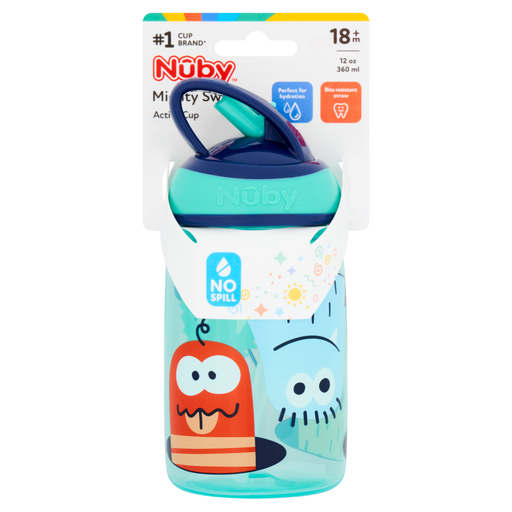
Why It Stands Out: This cup is built for durability. Its main feature is the bite-resistant hard spout, which is specifically designed to hold up against the chewing habits of older toddlers, making it a long-lasting choice.
Pros:
Who is it for?: This cup is a great fit for active toddlers aged 18 months and over, particularly those who have a tendency to bite or chew on softer spouts. Its larger size makes it ideal for days out or for ensuring your child stays hydrated throughout the day.

Why It Stands Out: Hygiene is the top priority with this design. The straw features a unique construction that zips open, allowing you to clean it thoroughly without needing a special brush—a simple yet highly effective solution to a common problem.
Pros:
Who is it for?: This is an excellent choice for parents who are concerned about hygiene and find cleaning traditional straws a chore. It is suitable for toddlers from 12 months who are comfortable using a straw.
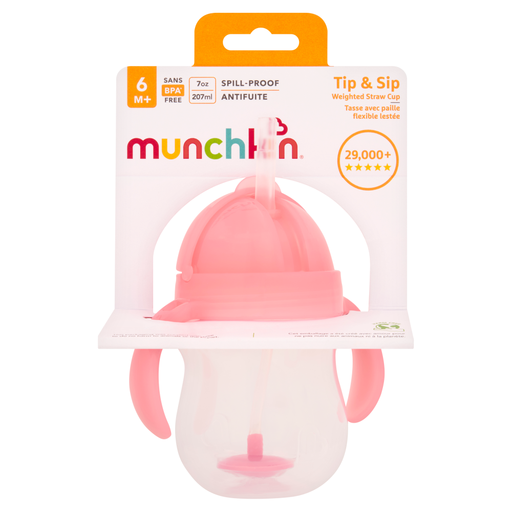
Why It Stands Out: The clever weighted straw moves with the liquid, allowing your child to drink from any angle. This feature helps build confidence and independence, as they can get a drink even if the cup is tilted.
Pros:
Who is it for?: This cup is ideal for babies aged 6 months and up who are just transitioning from a bottle or a spouted spill proof sippy cup. The weighted straw and handles make it a fantastic trainer cup for learning to drink independently.
Every child has their own preferences and what works for one may not work for another. If the recommendations above are not quite what you are looking for, there are many other designs available.
Explore our full collection of toddler cups with straws to find the perfect match for your little one's needs.
Most parents begin introducing a sippy cup or trainer cup between 6 and 9 months of age. A good indicator is when your baby can sit up unassisted and shows an interest in self-feeding. Starting with a cup that has handles can make the transition smoother.
There is no single right answer, as both have their benefits. Some dental professionals suggest that straw cups can be better for promoting natural oral development. However, a spouted cup can be an easier and more intuitive transition from a bottle for some children. The most suitable choice often depends on your child's age, comfort and developmental needs.
The term "leak-proof" usually means the cup is designed to resist spills when it is knocked over or tilted, thanks to features like valves and secure seals. However, no cup is entirely infallible, especially with a determined toddler. To minimise leaks, always ensure the lid is screwed on tightly and that all valve parts are correctly assembled. Regularly inspect the spout or straw for any damage, such as bite marks or tears, as this can compromise the seal.