
24/7 Customer Support

Free returns

Same-day & Next-day Delivery

Quality Guaranteed

Unlock Your Welcome Offers: FREE Delivery | Up to 80% OFF | Free 30-day JoyPlus trial
Download the APP
A well-made lemon iced tea is one of life’s simple pleasures—a perfect balance of brisk tea, zesty citrus and just the right amount of sweetness. Yet, the journey to find a satisfying ready-to-drink option can be surprisingly difficult. The supermarket aisle is filled with choices, but many fall short, leaving you with a drink that’s either disappointingly bland or overwhelmingly sugary.
As the Joybuy Product Recommendation Officer, my role is to help you navigate these choices. Before you add any bottled lemon tea to your basket, be aware of these common pitfalls:
By keeping these points in mind, you can make a more informed choice and find a drink that truly delivers on its promise of refreshment.
To avoid disappointment, focus on a few key details on the product label. These parameters are far more telling than flashy marketing and will guide you to a higher-quality beverage.
The character of a lemon iced tea is defined by its tea base. Most use black tea, which provides a robust, full-bodied flavour that stands up well to the acidity of lemon. However, you will also find options made with oolong tea, such as those featuring Ya Shi Xiang (Duck Shit Aroma) Dan Cong tea leaves. This variety offers a more complex, floral and aromatic profile. Check the ingredients for terms like black tea extract, brewed tea leaves or specific tea names like Ceylon or Nuwara Eliya. A higher concentration or a named tea origin often indicates a more authentic tea flavour.
To find a genuinely refreshing summer drink, pay close attention to the nutritional information. Look for the "Carbohydrates - of which sugars" value per 100ml. A lower number here is a good indicator of a less sugary drink. Many brands are now creating low calorie iced tea options by using alternative sweeteners like steviol glycosides (from stevia) or monk fruit concentrate. These can provide sweetness without the high calorie load of traditional sugar or high-fructose corn syrup.
Always check whether the product contains concentrated lemon juice or simply "flavourings." Real juice provides a more natural and complex citrus note that artificial additives cannot replicate. The ingredients are listed by quantity, so seeing lemon juice appear higher up the list is generally a positive sign. This single detail is often the difference between a premium-tasting drink and a cheap imitation.
Based on these criteria, we have matched a few standout options to different preferences and needs.
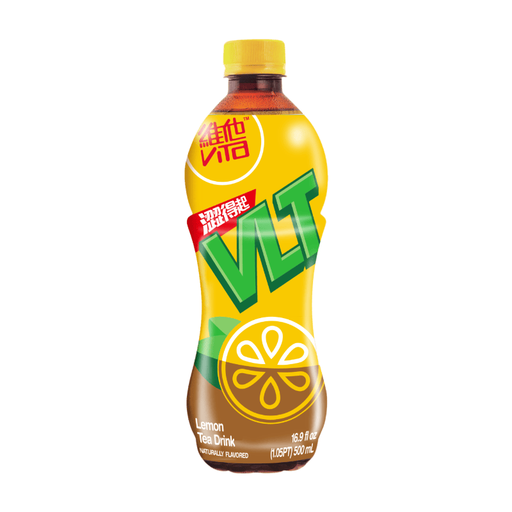
Why This Fits Their Persona: For those seeking the authentic Hong Kong style iced tea flavour, this is an iconic choice. It delivers that classic, satisfying balance of strong black tea with a distinct lemon tang and a touch of sweetness that is instantly recognisable and deeply nostalgic for many.
It sidesteps the "weak tea" pitfall by using a robust black tea concentrate (5%) and real concentrated lemon juice (5%), ensuring a bold and authentic flavour profile, not just sugary water.
Its main advantage is its consistent and classic flavour. It's a reliable, no-fuss option for anyone craving a true Vita lemon tea experience.
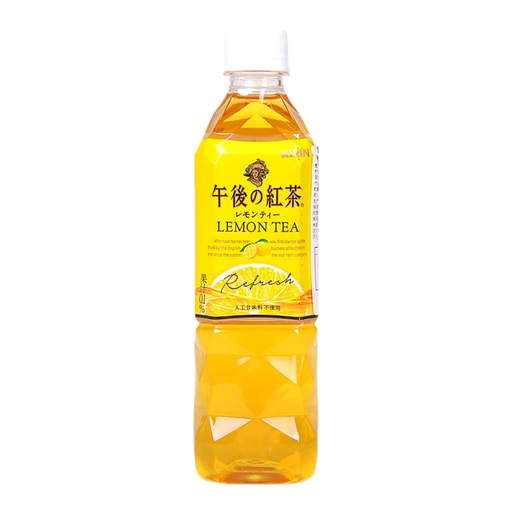
Why This Fits Their Persona: This is for the drinker who appreciates nuance and quality ingredients. The Kirin Gogo no Kocha is a staple in Japan for a reason. It offers a more refined take on Asian lemon tea, perfect for pairing with food or enjoying as a sophisticated afternoon refreshment.
It directly counters the "weak tea base" problem by specifying the use of fragrant Nuwara Eliya tea leaves from Sri Lanka (15% of the blend). This commitment to a specific, quality tea leaf ensures a fragrant and authentic brew.
The key advantage is its delicate and aromatic flavour profile, which is less about a powerful punch and more about a balanced, premium tea experience. It uses real lemon juice for a clean finish.
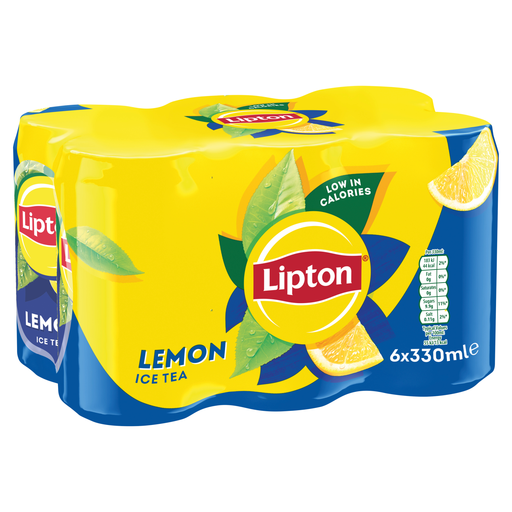
Why This Fits Their Persona: This is for the practical shopper who needs a reliable, crowd-pleasing option to stock the fridge. The lemon tea multipack format is ideal for families, packed lunches or ensuring you always have a refreshing drink on hand without frequent trips to the shop.
This Lipton iced tea tackles the "sugar trap" by using a blend of sugars and stevia-derived sweeteners. This keeps the calorie count down to a very reasonable 13 kcal per 100ml, making it a lighter choice than many full-sugar alternatives.
The primary advantages are convenience and value. It's a widely available, familiar taste in a format that is easy to store and serve, making it a dependable choice for everyday refreshment.
We have compiled a complete, real-time list of products that fully satisfy these strict selection criteria and UK safety regulations.
1. What is the difference between Hong Kong style lemon tea and regular iced tea? The main difference lies in the strength of the tea and the balance of flavours. Hong Kong style iced tea typically uses a very strong-brewed black tea, often a Ceylon blend, which gives it a distinct, robust and slightly astringent character. This is then balanced with a generous amount of lemon and sugar to create a powerful sweet-and-sour profile that is much bolder than many Western-style iced teas.
2. How can I quickly tell if a bottled lemon tea is low in sugar? The most reliable way is to check the "Nutritional Information" table on the label. Look for the "Carbohydrates" line, and specifically the "of which sugars" value per 100ml. A drink with 5g of sugar or less per 100ml is generally considered a lower-sugar option. Also, check the ingredients list for sweeteners like stevia, monk fruit or sucralose, which indicates a conscious effort to reduce sugar content.
3. Should I buy single bottles or a lemon tea multipack? This depends on your consumption habits. Single bottled lemon tea is great for trying a new brand or for on-the-go convenience. However, if you have found a favourite and drink it regularly, a lemon tea multipack almost always offers better value per unit. It is also more convenient for stocking your home fridge, preparing for gatherings or packing daily lunches.