
24/7 Customer Support

Free returns

Same-day & Next-day Delivery

Quality Guaranteed

Unlock Your Welcome Offers: FREE Delivery | Up to 80% OFF | Free 30-day JoyPlus trial
Download the APP
From a classic cloudy lemonade on a summer's day to a zesty mixer for evening drinks, the world of lemon-flavoured beverages is vast and varied. But with so many options on the shelves, it's easy to make a choice you'll regret. Many drinks promise authentic flavour but deliver little more than sugar and artificial aftertastes.
As the Joybuy Product Recommendation Officer, my role is to help you navigate the market and find a product that genuinely suits your needs. This guide will highlight the common pitfalls to watch for and break down the key factors to consider, ensuring your next purchase is a refreshing success.
Before you add a bottle or multipack to your basket, be aware of these frequent issues that can lead to disappointment:
To make an informed choice, focus on these three practical considerations. They will help you look past the marketing and assess the true quality of the product.
The single most important indicator of a quality lemon drink is its fruit content. Look at the ingredients list for the percentage of lemon juice, which is often from concentrate.
Understanding the sweetness source is crucial, especially for health-conscious individuals and families.
The right format depends entirely on how you plan to use it.
Based on these practical criteria, here are a few options tailored to different needs and preferences.

Why This Fits Their Persona: This is a classic household staple for a reason. It's a versatile and economical way to provide a refreshing drink for the whole family, from after-school hydration to weekend meals, without the worry of added sugar.
It sidesteps the "hidden sugar" pitfall by having no added sugar. As a lemon squash, it puts you in control of the dilution, avoiding the issue of pre-mixed drinks being too sweet or having an overpowering aftertaste.
Made with 10% real lemon juice from concentrate for an authentic taste. The large 1L bottle offers excellent value and lasts for weeks once opened (if refrigerated).
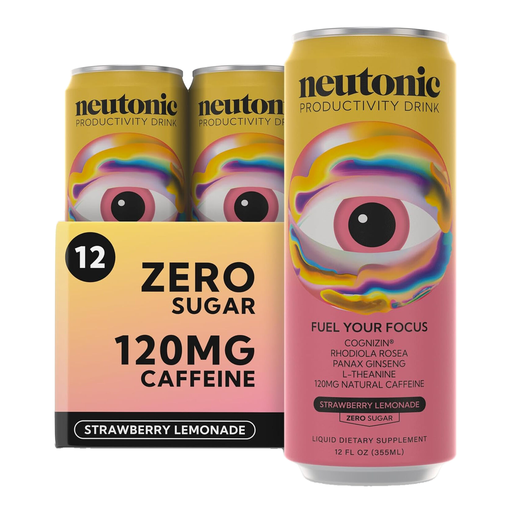
Why This Fits Their Persona: For students, gamers or professionals needing more than just refreshment. This drink is designed to support mental focus during intense tasks, offering a functional benefit alongside its refreshing pink lemonade flavour.
It is explicitly zero-sugar, avoiding the sugar trap entirely. According to the brand, its formula is developed to provide a clean energy boost without a subsequent crash, directly addressing a major downside of traditional energy drinks.
Contains a blend of nootropic ingredients like L-Theanine and Panax Ginseng, plus 120mg of caffeine per can for alertness. The multipack format is convenient for stocking a home office or study space.
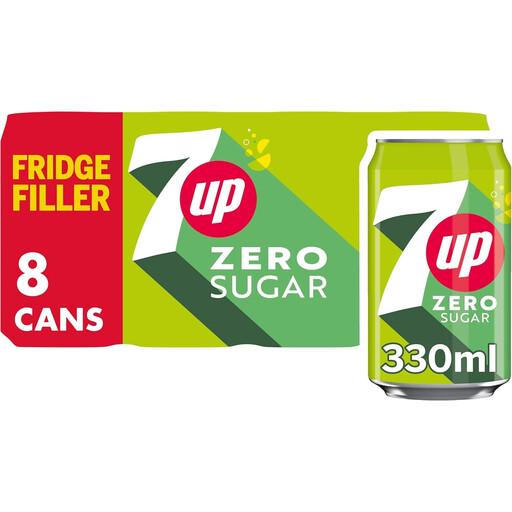
Why This Fits Their Persona: For those who need a reliable, crowd-pleasing lemon and lime drink. It's a perfect standalone refreshment or a crisp, clean mixer for spirits that won't add unwanted sugar. The multipack is ideal for parties or just keeping the fridge stocked.
This drink avoids the sweetener aftertaste pitfall by using a balanced blend of Aspartame and Acesulfame K, which is designed to mimic the taste of sugar. As a globally recognised brand, its flavour profile is consistent and trusted.
It's a zero-sugar, zero-caffeine and zero-colour beverage, making it a straightforward choice for a wide range of guests. The crisp citrus flavour is refreshing without being overly sweet.
We have compiled a complete, real-time list of products that fully satisfy these strict selection criteria and UK safety regulations.
In the UK, "lemonade" typically refers to a clear, carbonated, sweet lemon-flavoured soft drink. "Lemon soda" is a term often used for similar carbonated drinks, sometimes with international origins, which might have a different flavour profile—for example, being more tart or featuring other complementary flavours. Both are types of sparkling lemonade.
From a sugar and calorie perspective, yes. Zero sugar lemonade contains negligible calories and no sugar, making it a better option for managing weight and blood sugar levels compared to full-sugar versions. However, they contain artificial sweeteners and individual health considerations may vary. They are best consumed as part of a balanced diet.
Once opened, a bottle of lemon squash should be kept refrigerated and typically consumed within 4 weeks. Always check the product label for specific storage instructions and the recommended consumption period to ensure it stays fresh.