
24/7 Customer Support

Free returns

Same-day & Next-day Delivery

Quality Guaranteed

Unlock Your Welcome Offers: FREE Delivery | Up to 80% OFF | Free 30-day JoyPlus trial
Download the APP
Navigating the condiment aisle for a bottle of light soy sauce can feel surprisingly complex. With labels boasting 'premium', 'gold label' and 'first press', it's easy to feel lost. As a home cook in the UK, you simply want a quality ingredient that brings authentic flavour to your stir-fries and marinades without any hidden drawbacks.
As the Joybuy Product Recommendation Officer, my role is to help you see past the marketing jargon. Many shoppers find themselves disappointed, having paid a premium for a sauce that doesn't deliver on flavour or, conversely, having bought a product loaded with unnecessary additives. Let's look at the common pitfalls to avoid.
To choose with confidence, you only need to check a few key parameters. These will tell you more about the quality of the Chinese soy sauce than any flashy gold label.
The most significant factor in a soy sauce's quality is how it's made. Look for the term 'traditionally brewed' or 'naturally brewed'. This indicates the sauce was created through a months-long fermentation process of soybeans and wheat, which develops a deep and complex umami flavour. The alternative is a chemical process that is much faster but results in a less nuanced product, often requiring additives to improve the taste. A short, simple ingredient list—typically water, soybeans, wheat and salt—is an excellent sign of a traditionally brewed product.
Beyond the brewing method, the ingredients themselves matter. Many quality brands now specify the use of non-GMO soybeans.
When it comes to additives, it's a matter of personal preference.
If you are looking for a cleaner flavour profile, seeking out a "zero additive" option is a straightforward approach.
For those who want to dig a little deeper, the amino acid nitrogen content is a technical measure of umami. This is often stated on the labels of imported soy sauces. While not always present, a higher value (for example, ≥0.8g/100ml) generally points to a more flavourful, premium soy sauce. This gives you a verifiable metric to justify a 'premium' label.
To make things simpler, we've matched a few standout options to different cooking styles and priorities.
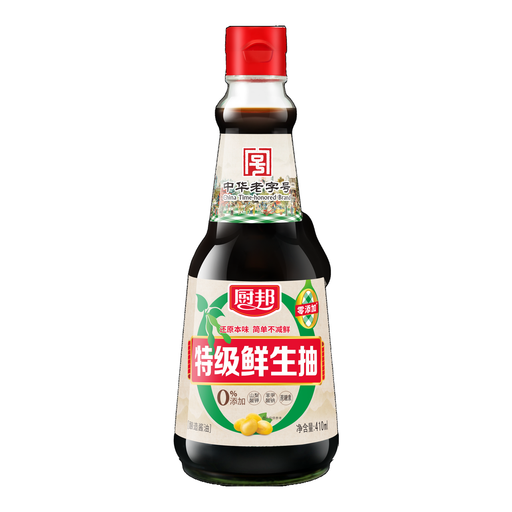
Why This Fits Their Persona: This is an ideal choice for the UK home cook who meticulously reads labels and prioritises clean, natural ingredients in their pantry.
It directly counters the "additive overload" pitfall. The ingredient list is short and clean: water, defatted soya beans, salt, wheat, sugar and yeast extract. No preservatives, colourings or flavour enhancers.
Its primary advantage is its pure, unadulterated flavour derived from traditional brewing, allowing the natural taste of your food to shine through.
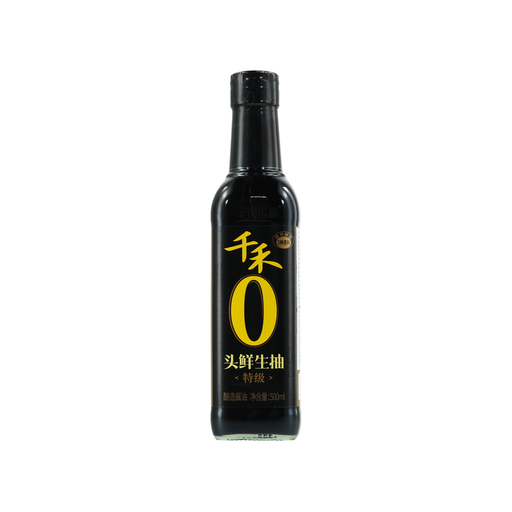
Why This Fits Their Persona: For the cook dedicated to recreating genuine flavours, this soy sauce provides the depth and complexity that forms the backbone of many Asian dishes.
It solves the "premium puzzle" by offering tangible quality markers. It is traditionally brewed from non-GMO soybeans and is a 'first press' sauce, which is widely regarded as having the richest flavour.
It delivers a well-balanced, complex umami from its slow fermentation process. It is an excellent choice as a soy sauce for dipping, where its quality can be tasted directly.
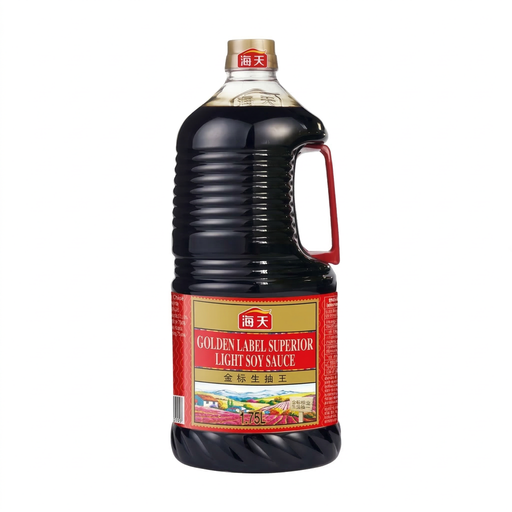
Why This Fits Their Persona: This is a practical choice for a busy household that gets through a lot of soy sauce. It's a reliable, versatile seasoning for daily meals, from marinades to stir-fries.
This product focuses on value and utility. It's an honest, everyday workhorse that provides consistent flavour for a wide range of dishes without the premium price tag, making it a smart, economical choice.
The large 1.75L bottle offers excellent value for money. Its balanced flavour profile makes it a dependable all-purpose seasoning for any day of the week.
We have compiled a complete, real-time list of products that fully satisfy these strict selection criteria and UK safety regulations.
Light soy sauce (sheng chou) is thinner, lighter in colour and primarily salty. It is used to add savoury flavour, or umami, and is the main seasoning in most stir-fries and marinades. Dark soy sauce (lao chou) is aged longer, often with molasses, making it thicker, much darker and slightly sweet. Its main purpose is to add a rich, caramel colour to dishes like red-braised pork, rather than for saltiness.
Before opening, a cool, dark cupboard is perfectly fine. After you've opened the bottle, it is best to store it in the refrigerator. This helps to preserve its intended flavour and aroma, particularly for traditionally brewed soy sauce varieties that may contain fewer or no preservatives.
While marketing language can be inconsistent, terms like 'first press' or 'first extract' do have a basis in the brewing process. They refer to the first extraction of soy sauce from the fermented mash, which is generally considered the most aromatic and flavourful. A premium soy sauce can be a meaningful label if it corresponds to a high amino acid nitrogen content, which indicates a richer umami taste. For uses where the sauce is a star ingredient, like a simple soy sauce for dipping, the difference in quality is often noticeable.