
24/7 Customer Support

Free returns

Same-day & Next-day Delivery

Quality Guaranteed

Unlock Your Welcome Offers: FREE Delivery | Up to 80% OFF | Free 30-day JoyPlus trial
Download the APP
Navigating the condiment aisle can be a challenge, especially when faced with a wall of soy sauces. From light and dark to tamari and mushroom-flavoured, choosing the right one can make all the difference to your dish. If you're a home cook in the UK who enjoys preparing Asian cuisine, you'll know that a quality light soy sauce is a cornerstone of the pantry.
This guide is designed to help you understand the key differences between types of light soy sauce. We'll explore what to look for on the label and offer some practical recommendations to help you find the right bottle for your stir-fries, marinades and dipping sauces.
Before you buy soy sauce in the UK, a little knowledge goes a long way. Here are a few key points to consider that will help you select a bottle that suits your cooking style and dietary preferences.
Light soy sauce, or shēng chōu (生抽), is the go-to for all-purpose seasoning. It's saltier and thinner than its dark counterpart, designed to add a savoury, umami depth without overpowering other ingredients or adding significant colour. This makes it ideal as a soy sauce for cooking in stir-fries and soups, as well as for marinades and dipping. Some varieties, often labelled as premium soy sauce or "first extract," offer a more refined and complex flavour, making them particularly well-suited for dipping or finishing a dish.
The label provides crucial information. Traditionally brewed soy sauces are made from soybeans, wheat, salt and water, fermented over several months. This natural process develops a rich, nuanced flavour. It's also important to check the salt content. For those monitoring their sodium intake, a reduced salt soy sauce can be an excellent choice. These products typically contain 25-40% less salt than their standard counterparts, offering a healthier way to achieve that essential savoury taste.
Many of the most popular styles originate from different regions in Asia, each with a distinct character. A classic Chinese light soy sauce, for example, is often the benchmark for Cantonese-style cooking, known for its balanced saltiness and umami. Reading the product description can give you clues about its intended culinary use, whether for traditional braising or as a delicate seasoning for steamed fish.
As the Joybuy Product Recommendation Officer, I've filtered through the options to highlight a few light soy sauces that stand out for their specific characteristics.
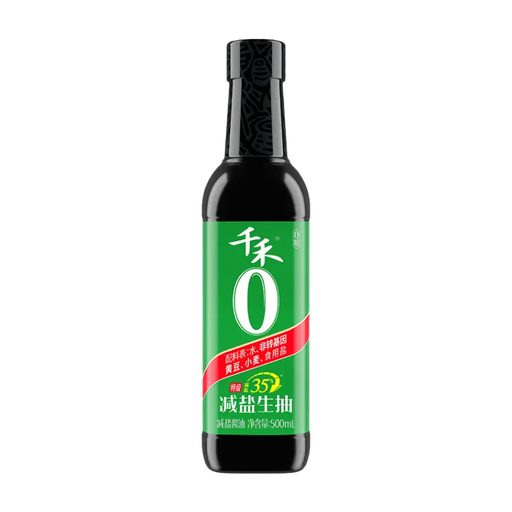
Why It Stands Out: This soy sauce directly addresses the need for lower sodium without compromising on flavour. With 35% less salt than many traditional options, it's a practical choice for everyday cooking.
Pros:
Who is it for? This is an ideal option for health-conscious individuals or families who want to manage their salt intake while still enjoying the authentic taste of soy sauce in their daily meals.
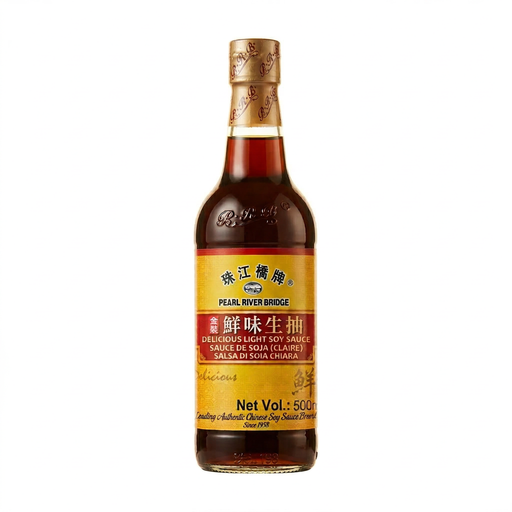
Why It Stands Out: Pearl River Bridge is a widely recognised brand known for its traditional brewing methods. This light soy sauce delivers the classic, robust flavour expected in many authentic Chinese recipes.
Pros:
Who is it for? For home cooks seeking an authentic, all-purpose Chinese light soy sauce that performs reliably in a wide range of traditional dishes, from braised pork to fried rice.
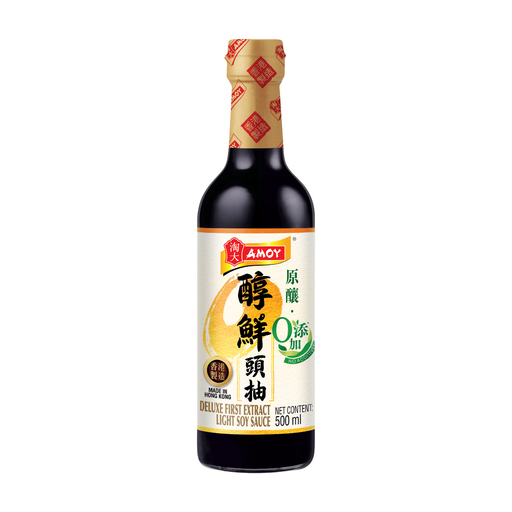
Why It Stands Out: As a "First Extract" soy sauce, this product is made from the first pressing of the fermented soybeans, which is considered the most flavourful and aromatic draw. It contains no added MSG or preservatives.
Pros:
Who is it for? This is a great choice for food enthusiasts who appreciate a more refined flavour. It excels as a dipping sauce for dumplings or seafood and as a finishing drizzle over steamed vegetables or fish, where its pure taste can shine.
These recommendations cover a range of uses, from health-conscious seasoning to authentic, traditional cooking. However, a well-stocked kitchen requires more than just soy sauce. If you're looking to upgrade your woks, find the perfect cleaver or browse other essential condiments, you can explore our full range of Kitchen and dining equipment.
1. What is the difference between light soy sauce and dark soy sauce? Light soy sauce is thinner, lighter in colour and saltier. Its primary role is to add savoury flavour (umami) without significantly altering the colour of a dish. Dark soy sauce is aged longer with added molasses or caramel, making it thicker, darker and less salty but with a hint of sweetness. It is used mainly to add a rich, dark colour to dishes like braised meats.
2. Can I use light soy sauce for everything? For most Chinese and many other Asian recipes, light soy sauce is the standard all-purpose choice for seasoning. It's versatile enough for stir-frying, marinating and dipping. However, for dishes where a deep colour is desired (like red-braised pork), dark soy sauce is necessary. For Japanese cuisine, a Japanese-style soy sauce (shoyu) would be more appropriate.
3. How should I store light soy sauce? Unopened soy sauce should be stored in a cool, dark place like a pantry. Once opened, it is best to keep it tightly sealed in the refrigerator. This helps preserve its flavour and freshness, preventing it from becoming overly salty or losing its aromatic qualities over time.