
24/7 Customer Support

Free returns

Same-day & Next-day Delivery

Quality Guaranteed
Download the APP
Categories
By Joybuy Product Recommendation Officer
Navigating the condiment aisle for an authentic light soy sauce can feel overwhelming. With terms like 'premium', 'naturally brewed' and '生抽' on labels, it's easy to wonder which bottle is the right one for your stir-fry or dipping sauce. Light soy sauce is a cornerstone of Chinese soy sauce and many other East Asian cuisines, prized for its ability to add a savoury, umami depth without overpowering the other ingredients.
Our goal is to help you understand the key differences between the options available. This guide will walk you through what to look for on the label and provide a few carefully selected recommendations to help you stock your pantry with confidence.
Before we look at specific products, here are a few practical points to consider when making your selection.
The quality of a light soy sauce often comes down to its ingredients and how it's made. Traditionally brewed soy sauces are fermented over several months using soybeans, wheat, salt and water. This natural process develops a complex and rich flavour. Look for a simple ingredient list. Some options are also marketed as no MSG soy sauce, using yeast extract to enhance flavour instead, while others pride themselves on having no additives at all. A premium soy sauce will often highlight the use of non-GMO soybeans.
Light soy sauce is primarily used for its salty flavour, or xián wèi (咸味). However, the intensity can vary. For those monitoring their sodium intake, a low salt soy sauce is an excellent choice. These are often labelled with "reduced salt" or "less salt" and can provide a similar savoury taste with a lower sodium figure, making them a versatile option for everyday cooking.
Light soy sauce (生抽, shēng chōu) is thinner and lighter in colour than its counterpart, dark soy sauce. Its primary function is to add seasoning. This makes it the go-to soy sauce for stir fry, marinades, dipping sauces and soups where you want to add flavour without adding significant colour. Dark soy sauce, on the other hand, is aged longer with molasses or caramel and is used mainly to add a rich, dark hue to dishes like braised meats.
Here are our recommendations, chosen to suit different preferences, from health-conscious cooking to traditional flavour profiles.
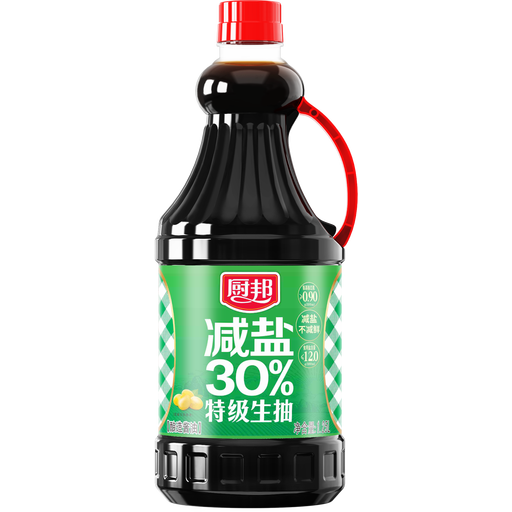
Why It Stands Out: This offering from Chubang directly addresses the needs of those looking to reduce their sodium consumption without sacrificing flavour. The 30% salt reduction makes it a more versatile seasoning for daily use, allowing you to control the saltiness of your dishes more precisely.
Pros:
Who is it for? This is an excellent choice for health-conscious individuals or families who use light soy sauce regularly and want a lower-sodium alternative for everything from dipping to seasoning.
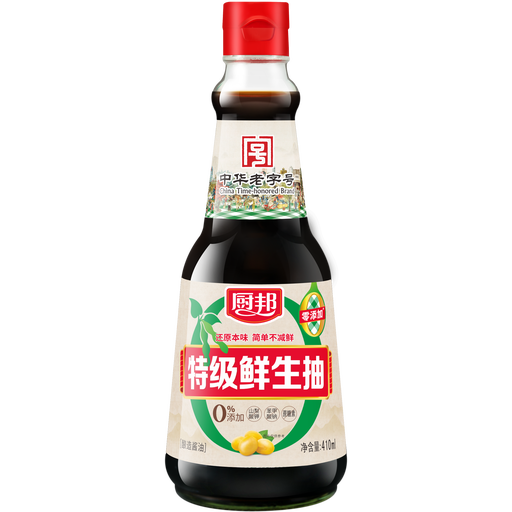
Why It Stands Out: For the purist, this soy sauce stands apart with its "zero additives" promise. The ingredient list is refreshingly short: water, defatted soybeans, salt, wheat, sugar and yeast extract. It delivers a clean, fresh umami flavour derived purely from its core components.
Pros:
Who is it for? Perfect for home cooks who prioritise natural ingredients and a clean label. If you want an authentic flavour without any artificial additives, this is a superb option.
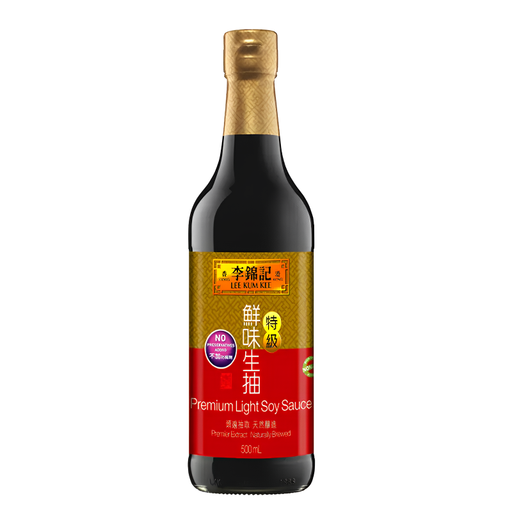
Why It Stands Out: Lee Kum Kee is a globally recognised brand with a long heritage, and this premium light soy sauce is a staple in many kitchens for a reason. It is traditionally brewed using non-GMO defatted soybeans, delivering a consistent and reliable flavour that has been trusted for generations.
Pros:
Who is it for? An ideal all-rounder for anyone seeking a dependable and authentic-tasting light soy sauce. It's a great starting point for those new to Chinese cooking and a trusted favourite for seasoned cooks.
Stocking your pantry with the right ingredients is just one part of creating a harmonious home. If you're also looking to brighten up other areas, you might be interested in exploring our selection of home furnishings. For instance, discover our range of lighted dressing tables to add a touch of elegance to your daily routine.
Light soy sauce is thinner, lighter in colour and saltier. It's used primarily for seasoning and adding savoury flavour. Dark soy sauce is thicker, much darker, and less salty but has a slightly sweet taste. It is used mainly to add a deep, caramel colour to dishes, especially braises and stews.
生抽 (shēng chōu) is the Mandarin Chinese term for light soy sauce. "生" (shēng) means "raw" or "fresh," and "抽" (chōu) means "extracted," referring to the first extraction from the fermented soybeans. Seeing this on a label is a good indicator that you are buying a light soy sauce.
Light soy sauce is incredibly versatile and can be used in most savoury dishes that call for soy sauce, especially as a soy sauce for stir fry, marinades and dipping sauces. However, if a recipe specifically requires the dark colour and subtle sweetness of dark soy sauce (老抽, lǎo chōu), using only light soy sauce will not produce the same visual result.