
24/7 Customer Support

Free returns

Same-day & Next-day Delivery

Quality Guaranteed

Unlock Your Welcome Offers: FREE Delivery | Up to 80% OFF | Free 30-day JoyPlus trial
Download the APP
From the rich bitterness of a coffee liqueur in an Espresso Martini to the fruity kick in a Pornstar Martini, liqueurs are the secret to elevating your home bar. Yet, the sheer variety can be overwhelming. The shelves are filled with bottles promising "artisanal" quality and "unmatched versatility," but not all deliver on their claims. As a Joybuy Product Recommendation Officer, my role is to help you see past the marketing and choose a liqueur that genuinely suits your taste and needs.
Before you add a bottle to your basket, it’s worth understanding the common pitfalls that lead to disappointment and a dusty, unused bottle on your shelf.
To ensure you’re getting a quality product that you’ll actually enjoy, focus on these three core parameters. They provide a much clearer picture of what’s inside the bottle than the marketing on the label.
The foundation of any good liqueur is its base spirit. Premium liqueurs often start with a quality spirit like rum, whisky, brandy or gin, which adds its own character to the final product. For example, a coffee liqueur made with a Jamaican rum base will have different undertones than one made with a neutral grain spirit.
Equally important is the source of the flavour. Look for terms like "natural flavour," "extract," or mentions of real fruit, herbs or coffee beans. Liqueurs that rely on "artificial flavourings" tend to have a less complex and often synthetic taste. A fruit liqueur made with real passion fruit juice, like Passoa, will offer a genuine tangy and aromatic profile that artificial flavours struggle to replicate.
Liqueurs are, by definition, sweetened. However, the goal is balance, not just sweetness. A well-crafted liqueur should allow the character of the base spirit and primary flavour to shine through. While sugar content isn't always listed, the category can give you a clue:
The ABV is a crucial indicator of a liqueur's style and intended use. It’s not just about strength; it affects flavour intensity and mouthfeel.
Instead of a generic list, we’ve matched some excellent options to the people who will enjoy them most.
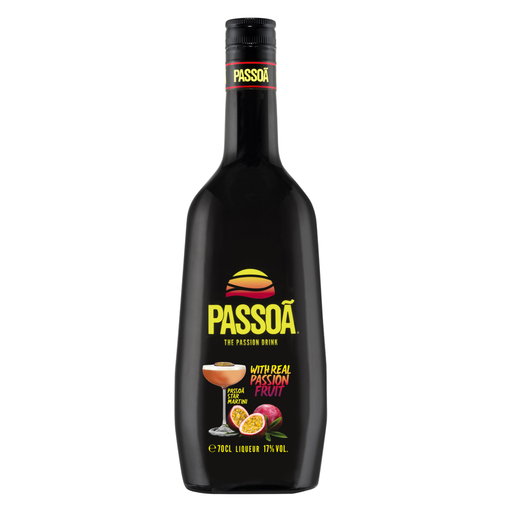
Why This Fits Their Persona: This is for the person who loves making popular cocktails at home. As the essential Pornstar Martini liqueur, Passo? is a must-have for recreating one of the UK's favourite mixed drinks with authentic flavour.
It avoids the "sugar-coated disguise" by using real Brazilian passion fruit juice. This provides a genuine balance of sweet and tangy notes, not a one-dimensional, artificial sweetness.
Its specific, vibrant flavour makes it a core cocktail ingredient rather than a niche bottle. It's the definitive choice for a Pornstar Martini and works well in other tropical drinks.

Why This Fits Their Persona: For those who appreciate a simple, high-quality after-dinner drink. Tia Maria is perfect served over ice or added to coffee, offering a rich and satisfying experience without the need for complex mixing.
It sidesteps the "overly-sweet" trap by balancing the bitterness of real Arabica coffee with Madagascan vanilla and the warmth of Jamaican rum. The result is complex and smooth, not cloying.
Its use of a quality rum base and real coffee extract provides a genuine depth of flavour, making it a superior choice for an Espresso Martini or for sipping neat.
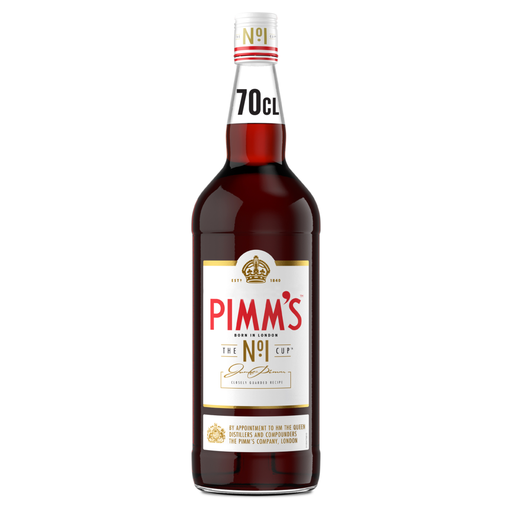
Why This Fits Their Persona: Perfect for the host of a summer barbecue or garden party. Pimm's is synonymous with British summertime and is designed for making large, refreshing pitchers of its iconic fruit cup with minimal effort.
It avoids the "versatility illusion" by excelling at one primary purpose. It isn't trying to be everything; it's the foundation for a specific, crowd-pleasing drink, ensuring it will be used and enjoyed.
Its secret gin-based recipe with botanicals and caramelised orange is instantly recognisable and consistently delivers a refreshing taste that is easy for guests to enjoy.
We have compiled a complete, real-time list of products that fully satisfy these strict selection criteria and UK safety regulations.
The shelf life of an opened liqueur depends on its type. High-proof herbal or fruit liqueurs (above 30% ABV) can last for years if sealed tightly and stored away from direct sunlight. However, cream liqueurs like Baileys Irish Cream have a much shorter lifespan. They should typically be consumed within six months of opening and may benefit from refrigeration, though it's not always required. Always check the bottle for specific storage advice.
The main difference is that liqueurs are sweetened and flavoured spirits. They start with a base spirit (such as vodka, rum or whisky), which is then infused with flavours from fruits, herbs, spices or nuts, and has sugar added. Spirits, on the other hand, are the unsweetened distilled alcoholic beverages that form the base. Liqueurs generally have a lower ABV than the spirits they are made from.
Not at all. A well-stocked home bar starts with a few versatile bottles that align with your taste. Rather than buying a dozen different types, focus on one or two key cocktail ingredients. If you love an Aperol Spritz, a bottle of Aperol is a great starting point. If you prefer rich, coffee-based drinks, a quality coffee liqueur like Kahlua or Tia Maria will serve you well in numerous recipes.