
24/7 Customer Support

Free returns

Same-day & Next-day Delivery

Quality Guaranteed

Unlock Your Welcome Offers: FREE Delivery | Up to 80% OFF | Free 30-day JoyPlus trial
Download the APP
The convenience of having a well-stocked pantry with long-life milk and milk drinks is undeniable. From a quick morning coffee to a comforting evening treat or a lunchbox staple for the kids, these shelf-stable options offer practicality for busy UK households. However, the sheer variety can be overwhelming, and not all cartons are created equal.
Many shoppers find themselves with cupboards full of drinks that are disappointingly sugary, refuse to froth for a proper latte, or taste nothing like the authentic flavour promised on the label. Before you stock up, it is worth understanding a few common pitfalls to ensure you are getting value and quality, not just clever marketing.
Navigating the beverage aisle requires a discerning eye. Here are three frequent issues that can lead to a disappointing purchase.
Many flavoured milks, fruit-milk blends and even some plant-based options are marketed with a "healthy" halo. However, a quick look at the ingredients often reveals that sugar is the first or second ingredient. This results in a drink that is more of a sugary treat than a nutritious beverage, which is a particular concern when choosing flavoured milk for kids.
The rise of the home café has led to a surge in plant-based milks labelled "Barista Edition". The expectation is a milk that steams well and creates a stable, creamy microfoam for lattes and cappuccinos. Unfortunately, many standard plant milks lack the right formulation, causing them to split or curdle when they hit hot coffee, or produce a thin, bubbly foam that vanishes in seconds.
Convenient instant matcha latte or milk tea powders promise a café-style experience at home. The reality can be a sachet filled predominantly with sugar, creamer and fillers, with only a tiny fraction of actual tea extract. This results in a weak, overly sweet drink that lacks the authentic, robust flavour you were hoping for.
To avoid these traps, focus on a few core parameters rather than the marketing slogans on the front of the pack.
The ingredients list is your most reliable source of information.
For a plant-based milk to perform well in coffee, it needs a specific formulation. A good oat milk barista edition will typically have:
Your choice between a ready-to-drink (RTD) beverage and an instant powder depends on your priorities.
Based on these practical criteria, here are a few recommendations tailored to different needs and lifestyles.

Why This Fits Their Persona: For those who take their morning coffee seriously, this oat drink is specifically formulated to replicate the performance of dairy milk. It is ideal for creating lattes, flat whites and cappuccinos at home without compromising on texture or stability.
It directly solves the "Barista Milk That Fails" problem. It contains an acidity regulator (dipotassium phosphate) to prevent curdling and has a fat content optimised for steaming and creating durable microfoam.
1. Excellent steaming and foaming performance. 2. Neutral oat flavour complements coffee without overpowering it.
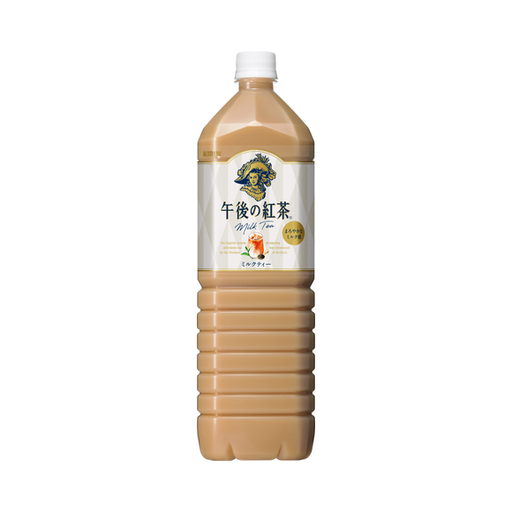
Why This Fits Their Persona: Perfect for students, young professionals, or anyone who enjoys authentic Asian drinks. This large, ready-to-drink bottle offers a consistently smooth and creamy Japanese-style milk tea that is great for sharing or keeping in the fridge for a quick, refreshing treat.
Unlike disappointing instant mixes, this is a pre-made beverage crafted with real black tea. It delivers a balanced flavour profile that is difficult to achieve with powders, avoiding the "Instant Latte" pitfall of being overly sweet or weak.
1. Authentic, well-balanced Japanese milk tea flavour. 2. Large 1.5L format offers great value and convenience for regular drinkers.
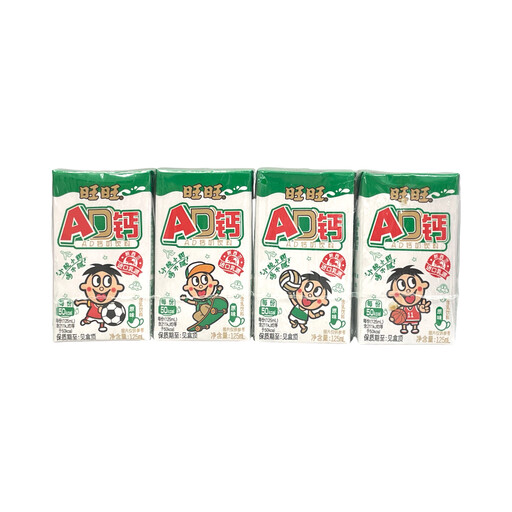
Why This Fits Their Persona: For families looking for a convenient lunchbox or after-school drink for children. This multipack of flavoured milk drinks is portion-controlled and fortified with calcium and vitamins A & D, offering a more considered choice than a standard sugary soft drink.
While still a sweet treat, it counters the "empty calorie" trap by being fortified with specific nutrients. The sugar content (6.2g per 100ml) is also clearly stated, allowing parents to make an informed decision as part of a balanced diet.
1. Enriched with Calcium, Vitamin A and Vitamin D. 2. Convenient 125ml portion sizes are ideal for children's lunchboxes.
We have compiled a complete, real-time list of products that fully satisfy these strict selection criteria and UK safety regulations.
What is the difference between UHT milk and fresh milk? The main difference is the heat treatment process. UHT milk is heated to around 135°C for a few seconds, which sterilises it and allows it to be stored at room temperature for several months before opening. Fresh, pasteurised milk is heated to a lower temperature (around 72°C) for a longer period, which kills harmful bacteria but doesn't sterilise it, hence why it must be refrigerated and has a shorter shelf life. This high heat can give UHT milk a slightly sweeter, more "cooked" flavour than fresh milk.
How can I stop my plant-based milk from curdling in coffee? Curdling happens when the acidity and heat of the coffee cause the proteins in plant milk to clump together. To prevent this, choose a "barista edition" milk specifically, as it contains acidity regulators. You can also try letting your coffee cool for a minute before adding the milk, or gently warming the milk before pouring it in.
Are flavoured milk drinks for children a suitable option? Flavoured milk can be a useful way to ensure children get calcium and other nutrients, especially if they dislike plain milk. However, it is important to treat them as a treat rather than a primary drink due to their sugar content. Always check the nutritional label for the amount of "sugars" and choose options that are fortified with vitamins and minerals where possible.