
24/7 全天候客户支持

免费退货

当日/次日达

品质保障

开启新人专享福利: 全场免邮 | 低至 2 折 | 免费试用 30 天 JoyPlus 会员
下载 Joybuy
Finding a flavourful soy sauce that aligns with a health-conscious lifestyle can be a challenge. Many home cooks in the UK love the rich, savoury depth that soy sauce brings to dishes, but are rightly concerned about high salt levels. If you're looking to create delicious East Asian cuisine without compromising on your dietary goals, you've come to the right place.
This guide is designed to help you navigate the world of low sodium soy sauce. We'll explore what to look for when choosing a bottle and present a few of our top recommendations to help you find a high-quality umami seasoning for your kitchen.
Before diving into specific products, it's useful to understand a few key factors. Keeping these points in mind will help you select a healthy soy sauce that suits your cooking style and dietary needs.
A common point of confusion is the difference between light soy sauce and low sodium soy sauce.
The flavour of soy sauce is developed through fermentation. Traditionally brewed soy sauces, made from soybeans, wheat, salt and water, often have a more complex and nuanced flavour profile. Some modern production methods can be quicker but may result in a less satisfying taste. When looking for a reduced sodium soy sauce, check the ingredient list. A shorter, more recognisable list of ingredients is often a good indicator of a quality product.
Not all soy sauces are created equal. Some are purely savoury, while others might have subtle sweet or even smoky notes. Some brands, in an effort to boost flavour while reducing salt, incorporate other natural umami seasoning ingredients like mushroom extracts. Think about how you plan to use the soy sauce for cooking—whether for dipping, marinades or stir-frying—as this will influence the ideal flavour profile for your pantry.
Here are a few noteworthy options that deliver on flavour while being mindful of sodium content.
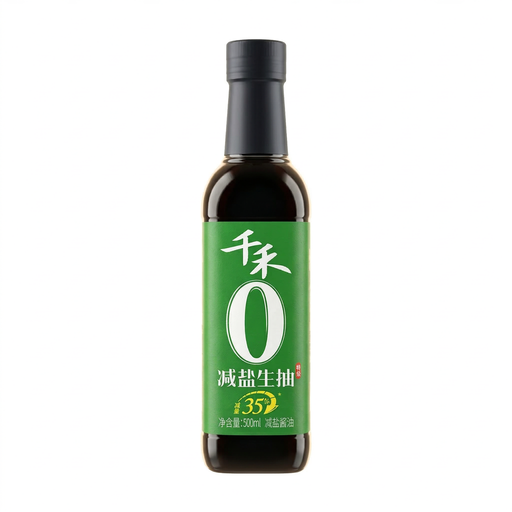
Why It Stands Out: This soy sauce from Qianhe is notable for its commitment to a simple, clean ingredient list. It is traditionally brewed and contains no added preservatives, colours or artificial flavours, allowing the natural umami of the soybeans to shine through.
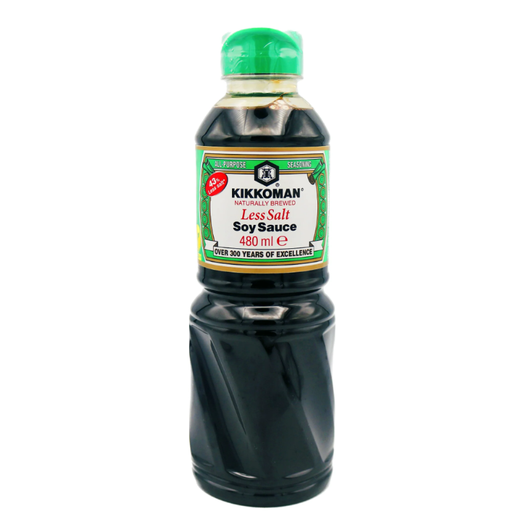
Why It Stands Out: Kikkoman is a globally recognised name in soy sauce, and this reduced-sodium version offers the brand's signature flavour with less salt. According to the brand, it contains 25% less sodium than their classic soy sauce, achieved without compromising the well-rounded, savoury taste it's known for.
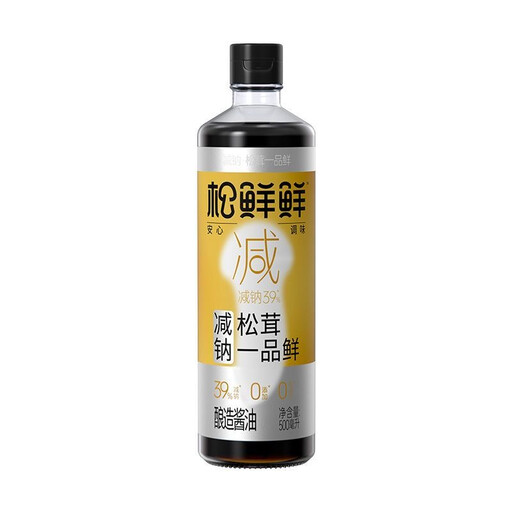
Why It Stands Out: This soy sauce offers a unique twist by infusing precious Boletus Edulis (Matsutake mushroom) extract into the brew. This adds a deep, complex and naturally savoury flavour, allowing for a significant reduction in sodium without sacrificing taste. With just 1.2g of salt per 100ml, it is a very low salt option.
umami seasoning to elevate their dishes. It's also an excellent choice for those on very strict low-sodium diets who don't want to give up on flavour.These recommendations are just a starting point. Every cook has different preferences, and the right low sodium soy sauce for you depends on your taste and how you plan to use it. If you'd like to see more choices, you can browse our complete collection.
Explore the Full Range of Low Sodium Soy Sauce
No, they are different. "Light soy sauce" is a term used in Chinese cooking to describe a thin, savoury soy sauce for seasoning, which is typically quite high in salt. "Low sodium" or "reduced sodium" soy sauce is specifically made to have a lower salt content than its regular counterpart. Always check the nutritional label for the salt value.
The amount varies by brand. A "reduced sodium" label usually means it has at least 25% less salt than the same brand's standard version. Some "low sodium" options can have even less. For comparison, the products highlighted here range from 1.2g to 7.5g of salt per 100ml. It's always best to read the label to find one that meets your dietary requirements.
Generally, yes. A good quality low salt soy sauce is versatile and can be used as an all-purpose soy sauce for cooking, dipping and marinades. Because the saltiness is less intense, you might find you can be more generous with it to build flavour without making a dish overly salty. It's a fantastic staple for any health-conscious kitchen.