If reducing total fat is your main priority, plain kernels let you control what goes into the bowl: the Island Sun dry kernels listed by Tesco have 4.3g fat per 100g before preparation, compared with 13g or more per 100g on the checked microwave and ready-to-eat packs. Added oil or butter changes the finished snack, so compare pack labels per 100g, then check saturated fat, salt, sugar and how much you expect to eat.
Who is each format for?
TV diners willing to pop kernels
Plain kernels suit someone who can prepare a bowl and wants to choose how much oil, butter, sugar or salt to add. Tesco lists 4.3g fat per 100g for Island Sun dry kernels; that figure does not describe the finished bowl.
Convenience-first snackers
A ready-to-eat bag needs no preparation, while microwave popcorn provides a warm snack. Neither format guarantees lower fat: the checked packs have different per-100g figures, so compare the exact products rather than their format or flavour names.
Shoppers comparing more than total fat
If saturated fat, salt or sugar also affects the choice, read those figures separately. Sainsbury’s lists 13g total fat, 6g saturated fat and 3g salt per 100g for Eazypop Salted microwave popcorn; Tesco lists 22.6g sugars per 100g for its Sweet & Salted ready-to-eat popcorn.
What should you compare?
Choose the preparation method you can accommodate, then compare nutrition on the same per-100g basis. Finally, consider the amount you will serve during the programme or film.
Plain popping kernels
Choose when: You can prepare the popcorn and want to control additions to the bowl.
Bear in mind: Oil, butter and seasonings change the nutrition of the finished portion.
Ready-to-eat popcorn
Choose when: Opening a bag without cooking matters more than selecting the lowest listed total fat among the checked examples.
Bear in mind: A small stated serving or a salted flavour does not establish that the pack is low in fat.
Microwave popcorn
Choose when: You want a warm snack and can follow the pack’s appliance and cooking instructions.
Bear in mind: The checked salted microwave pack has lower total fat than the checked ready-to-eat examples, but its saturated-fat and salt figures also need attention.
| Priority | What to check | Your needs |
|---|
| Total fat |
Compare the exact packs per 100g. Tesco lists 4.3g for Island Sun dry kernels before additions; ASDA lists 17.4g for Propercorn Sea Salted and 26g for ASDA Salted ready-to-eat popcorn. The NHS defines low fat for foods as 3g or less per 100g. |
I want to reduce total fat and can prepare kernels, or I need to identify a ready-to-eat pack whose label fits my choice. |
| Saturates, salt and sugar |
Read each figure separately, especially for microwave and sweet-and-salty packs. Sainsbury’s lists 6g saturated fat and 3g salt per 100g for Eazypop Salted; Tesco lists 22.6g sugars per 100g for Sweet & Salted popcorn. |
Total fat is not my only consideration, so I want to see what else is in the flavour I choose. |
| Portion size |
Use per-100g figures to compare products, then check the stated serving size and servings per pack against the amount going into your bowl. The NHS notes that a manufacturer’s portion may differ from the amount eaten. |
During a film, I might eat more than one stated serving or share a bag rather than finish it alone. |
| Preparation and warnings |
For microwave popcorn, check the pack instructions against your appliance and stay present while it cooks. Check current packaging for handling advice, unpopped-kernel warnings and allergen information. |
I need a snack that fits the time and equipment available, and I want everyone sharing it to be able to eat it safely. |
Common selection mistakes
-
Reading “lightly salted” as “lower fat”
ASDA lists 26g fat per 100g for its Salted Popcorn and 25g per 100g for Taylors Lightly Sea Salted Popcorn. The flavour wording does not tell you which pack has less fat.
Compare total fat per 100g on the exact packs, then check saturated fat and salt separately.
-
Comparing only the stated serving
A smaller stated serving can show a smaller amount of fat without making the product lower in fat per 100g. It may also be less than you plan to put in a TV snack bowl.
Compare products per 100g first, then use the label to work out the figures for the amount you expect to eat.
-
Judging microwave popcorn by total fat alone
Sainsbury’s lists 13g total fat per 100g for Eazypop Salted microwave popcorn, alongside 6g saturated fat and 3g salt per 100g. Its lower total-fat figure than the checked ready-to-eat examples does not settle those other comparisons.
Read total fat, saturated fat and salt on the same pack before deciding whether it meets your priorities.
-
Skipping the pack instructions
Microwave preparation needs attention during cooking and care when opening a hot pack. Unpopped kernels can also remain in popcorn.
Follow the current pack and appliance instructions, and check any warnings before serving or sharing.
Brand and retailer references
These examples show why a familiar brand or retailer name cannot stand in for the nutrition panel of the particular popcorn pack.
Propercorn
The Sea Salted 70g ready-to-eat pack listed by ASDA provides a specific comparison point for convenience-led shopping.
- ASDA lists 17.4g total fat and 1.5g saturated fat per 100g for that pack.
- Those figures describe the checked Sea Salted pack, not every Propercorn flavour or pack size. Check the label of the variant you buy.
Tesco
Tesco’s listings illustrate the difference between a ready-to-eat sweet-and-salty pack and plain kernels intended for popping.
- Its Island Sun dry-kernel listing states 4.3g fat per 100g before preparation.
- Tesco Sweet & Salted Popcorn lists 26.2g fat and 22.6g sugars per 100g; the dry-kernel figure does not apply to a bowl with added ingredients.
ASDA
ASDA’s checked ready-to-eat salted and sweet-and-salted packs offer two different nutrition profiles to compare.
- ASDA lists 26g fat per 100g for Salted Popcorn and 21g per 100g for Sweet & Salted Popcorn.
- The Sweet & Salted pack also lists 25g sugars and 2g salt per 100g; choose by the exact pack label, not the shared brand name.
Sainsbury’s
The checked listings cover both ready-to-eat sweet-and-salty popcorn and salted microwave popcorn.
- Sainsbury’s lists 13g total fat per 100g for Eazypop Salted microwave popcorn, versus 22.2g for its Sweet & Salty Butterfly Popcorn.
- The Eazypop listing also states 6g saturated fat and 3g salt per 100g, so total fat alone does not describe the trade-off.
Tyrrells
Tyrrells’ UK range page lists potato crisps, Furrows crisps and lentil crisps.
- A preference for Tyrrells crisps does not identify a popcorn pack or provide popcorn nutrition figures to compare.
Joybuy snack options
The first two options are ready-to-eat Propercorn popcorn in different pack formats. The two Love Corn options are roasted corn snacks, not popcorn; consider them only if a different crunchy snack would also suit your TV dinner. Check each current pack’s nutrition and allergen information before choosing.
 No image available
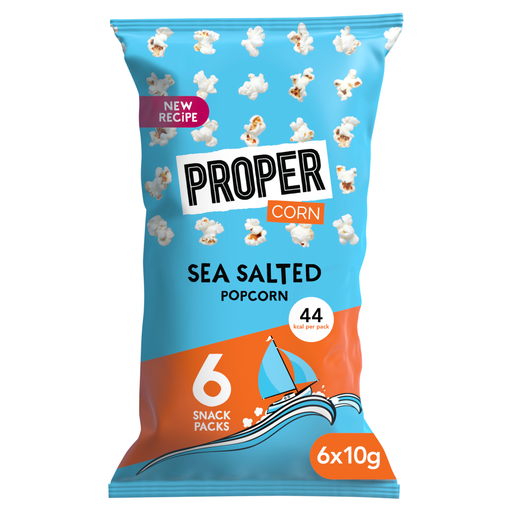
Propercorn Lightly Sea Salted Popcorn 6x10g
Ready-to-eat popcorn in six 10g bags offers a defined pack size for a TV snack without popping a larger bowl. Check this variant’s fat, saturated fat and salt figures rather than applying figures from another Propercorn pack.
View on Joybuy
 No image available
Propercorn Lightly Sea Salted Popcorn 70g
This ready-to-eat 70g bag avoids preparation but leaves you to decide how much to serve. Compare its own per-100g nutrition panel and your intended portion; do not assume it has the same figures as a differently named Sea Salted pack.
View on Joybuy
 No image available
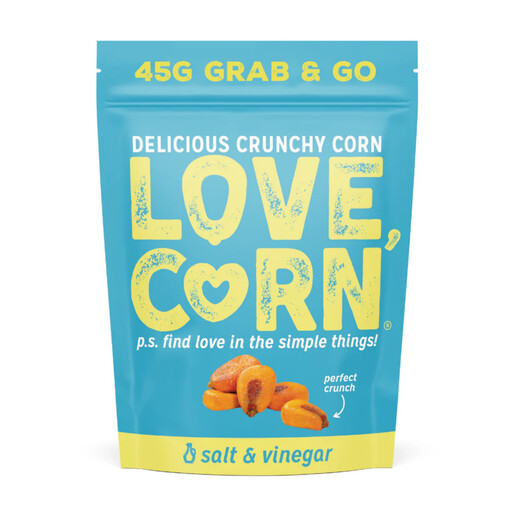
Love Corn Salt & Vinegar 10x45g
A ready-to-eat roasted corn snack in ten 45g packs, rather than popped popcorn. If popcorn’s texture is part of the appeal, this is a different choice; compare the pack’s nutrition and allergen information on its own terms.
View on Joybuy
 No image available
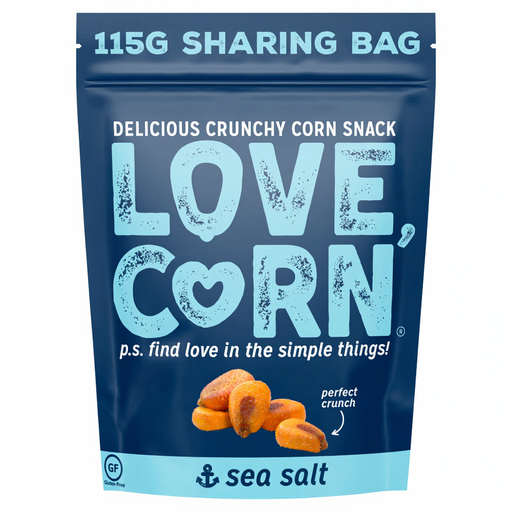
Love Corn Crunchy Snacks Sea Salt 115 g
This sea-salt roasted corn snack comes in a 115 g bag and is not popcorn. If considering it instead of popcorn, compare total fat and salt per 100g and decide how much of the bag you intend to serve.
View on Joybuy
Questions about choosing popcorn
Does a small calorie figure mean popcorn is low in fat?
No. Compare fat per 100g rather than relying on a small stated serving. The NHS describes 3g fat or less per 100g as low fat for foods and more than 17.5g per 100g as high fat; also check the amount you expect to eat.
Will plain kernels give me a lower-fat bowl?
They give you control over preparation, but the finished bowl depends on what you add. Tesco lists 4.3g fat per 100g for Island Sun dry kernels before oil, butter or other additions; do not use that figure as the nutrition value of the prepared snack.
Is microwave popcorn the lower-fat convenience choice?
Check the particular pack rather than assuming so from the format. Sainsbury’s lists 13g total fat per 100g for Eazypop Salted microwave popcorn—less than the checked ready-to-eat examples—but also lists 6g saturated fat and 3g salt per 100g.
What should I check before making microwave popcorn?
Follow the exact pack instructions and your microwave’s guidance, stay present while it cooks and take care when opening the hot pack. Check the packaging for appliance requirements and warnings about steam or unpopped kernels.
Can young children share the popcorn bowl?
Check the current pack’s age and safety warnings before serving it. The checked Sainsbury’s ready-to-eat product warns that it is not suitable for babies and small children because of a choking hazard; unpopped kernels may also remain in popcorn.


