Tea-break snackers focusing on total fat
If total fat matters most, compare the figures per 100g before checking how much is in one bar.


For an afternoon tea break where total fat is the deciding factor, compare bars by the nutrition information per 100g rather than treating ‘light’, lower sugar or protein as a low-fat claim. The NHS describes food with 3g total fat or less per 100g as low in fat; the Graze, Eat Natural and TREK examples discussed below exceed that figure. Check the serving size separately when deciding which bar to have with tea.
If total fat matters most, compare the figures per 100g before checking how much is in one bar.
An oat bar may appeal as a sweet accompaniment to tea, but a lower-sugar claim does not establish that it is low in fat.
Vegan suitability, protein and fibre may help narrow the choice. Check total fat separately if that is also a priority.
Start with total fat per 100g for a like-for-like comparison, then look at the portion and other details that matter to your tea break.
| Priority | What to check | Your needs |
|---|---|---|
| Total fat | Read total fat per 100g on the exact pack. The NHS describes 3g or less per 100g as low in fat. Check the number itself rather than relying on ‘light’ or a reduced-fat claim. | I want a bar that meets a low-fat target, not one that only sounds lighter. In the Food Standards Agency and Ipsos Northern Ireland’s 2024 tracker, 49% of 611 Northern Ireland adults interviewed said they actively used traffic-light labels when shopping for food; interviews ran from 16 September to 23 November 2024. |
| Other label figures | Compare saturated fat, sugars and salt on the same per-100g basis. Read the traffic-light colours alongside the figures they describe. | Sugar or saturated fat may matter to me as well as total fat; oats, fruit, nuts and protein do not answer those questions on their own. |
| Tea-break portion | Check the weight of one bar and any nutrition figures per serving. Distinguish a single bar from the number of bars in a pack. | For a snack with tea, I want to know what the figures mean for the bar I would actually eat. |
| Ingredients and suitability | Read the current ingredient and allergen statements for the exact flavour. Check protein, fibre or vegan claims separately from total fat. | A particular ingredient or dietary preference may guide my choice, but I still need to assess fat independently. |
Graze promotes its Oat Boost range for reduced sugar, but Tesco lists 22g total fat per 100g for Graze Cocoa Vanilla Oat Boost. The NHS describes more than 17.5g per 100g as high in fat.
If total fat drives your choice, compare its per-100g figure before considering a sugar claim.
Eat Natural lists 36.3g fat per 100g for its Dark Chocolate & Peanut Protein Bar. Myprotein lists 19.6g per 100g for TREK Original Oat Protein Flapjack. Neither figure follows from the word ‘protein’ alone.
Choose for protein or ingredients if those are your priorities, but read total fat separately.
Alpen’s FAQ lists Alpen Light Bars Chocolate & Orange among products it no longer makes. An older listing may not describe a bar you can choose now.
Use the current pack and its nutrition panel rather than a historical product name.
A reduced-fat claim compares a product with another product; it does not tell you on its own whether the bar meets the NHS low-fat figure of 3g total fat or less per 100g.
For a low-fat choice, check the absolute per-100g figure as well as any comparative wording.
These ranges offer different kinds of bars, but a brand name or front-of-pack description cannot establish the fat content of every variety.
Graze’s Oat Boost range includes Cocoa Vanilla Oat Boost, which Tesco describes as a snack for an afternoon cuppa.
Nature Valley’s UK range includes crunchy oat, protein and fibre-focused bars.
Alpen’s current product page presents its muesli range.
Eat Natural offers fruit-and-nut, soft-fruit and protein bars.
nākd. describes its fruit-and-nut bars as made without added sugar or syrups.
TREK offers plant-based protein flapjacks and bars.
These Joybuy bars offer chocolate, orange cereal-bar and fruit-and-nut options for an afternoon tea break. Compare the current nutrition panel of each one if total fat is your main criterion; the product names alone do not establish a low-fat choice.
 No image available
For a chocolate snack with tea, compare the current pack’s total fat per 100g before deciding whether it fits your aim. The pack contains six 21.5g bars.
 No image available
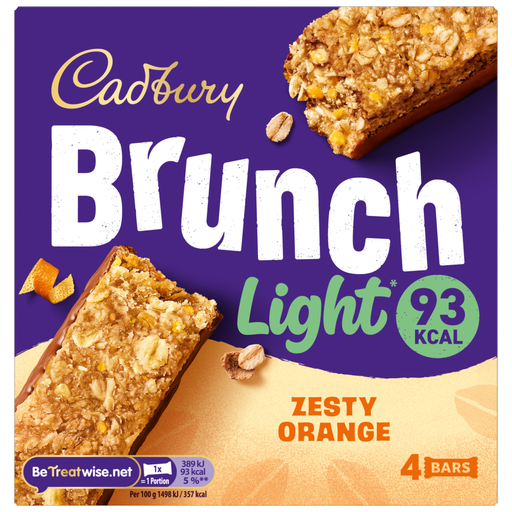
If an orange cereal bar appeals for your tea break, check total fat per 100g rather than interpreting ‘Light’ as a low-fat figure. The pack contains four bars and is labelled 104g in total.
 No image available
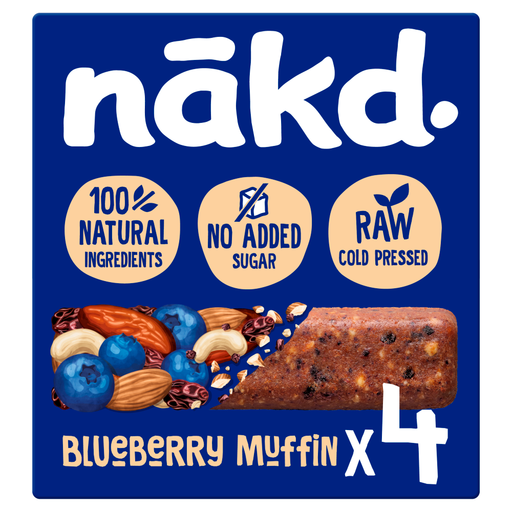
For a fruit-and-nut option with tea, read the current total-fat figure and ingredient statement for this flavour. The pack contains four 35g bars.
No. Reduced fat describes a comparison, whereas the NHS describes food as low in total fat at 3g or less per 100g. Check the bar’s actual per-100g figure.
Compare total fat per 100g first: the NHS describes 3g or less as low and more than 17.5g as high. Then read the serving information to see how much one bar contains.
No. nākd. describes its fruit-and-nut bars as having no added sugar, but that wording does not state their total fat. Use the nutrition panel for the exact variety.
Protein content cannot answer that on its own. Eat Natural lists 36.3g fat per 100g for its Dark Chocolate & Peanut Protein Bar, while Myprotein lists 19.6g per 100g for TREK Original Oat Protein Flapjack. Compare the exact bar’s fat figure with your aim.
Read the current ingredient and allergen statement for the exact flavour. Eat Natural lists peanuts, soya crispies and coconut among the ingredients of its Dark Chocolate & Peanut Protein Bar; another bar needs its own label check.