
24/7 Customer Support

Free returns

Same-day & Next-day Delivery

Quality Guaranteed

Unlock Your Welcome Offers: FREE Delivery | Up to 80% OFF | Free 30-day JoyPlus trial
Download the APP
Packing your own lunch is a smart move for your wallet and your well-being. But the wrong lunch box can turn a well-intentioned meal into a frustrating mess. A soggy bag from a leaky container, a disappointingly cold stew or a box that permanently smells of last week's curry are all too common. Before you buy another reusable food container, it's worth understanding the common pitfalls that lead to buyer's remorse.
Many of us have been caught out by these three issues:
insulated food jar expecting a piping hot meal, only to find it's lukewarm by noon. Not all insulation is created equal, and poor construction can render this key feature useless.Navigating these issues is simple when you know what to look for.
To find a lunch box that truly serves your needs, focus on these core parameters rather than marketing hype.
The material of your lunch container dictates its durability, temperature control and maintenance.
food thermos for hot food. Look for food-grade stainless steel, typically 304 or 316 grade. Both are robust and resist odours. 316 stainless steel offers slightly better corrosion resistance, making it a great option if you frequently pack salty or acidic foods like soups and stews. A double-wall, vacuum-insulated design is non-negotiable for effective heat retention.bento lunch box where you might need to reheat one part of your meal. For those prioritising sustainability, look for options made from recycled materials, which can be a great choice for an eco-friendly snack box.For transporting liquids, a simple clip-on lid is rarely sufficient. A truly leakproof soup thermos will almost always feature a screw-top lid combined with a silicone gasket or ring. This combination creates a tight, secure seal that can withstand being jostled in a bag during your commute. For containers designed for solid foods, like a large bento box, secure clips are generally adequate.
Consider how you like to eat. If you prefer a single-pot meal like a chilli, curry or a hearty soup, a single-compartment insulated food jar is perfect. However, if you enjoy variety—a sandwich with a side of fruit, a salad with dressing kept separate, or chicken with rice and vegetables—then a compartmentalised bento lunch box is the superior choice. The dividers keep different food items separate, fresh and un-soggy until you're ready to eat.
Based on these practical criteria, we've matched a few standout options to different daily routines and needs.

Why This Fits Their Persona: This is for the professional or student who relies on a hot, home-cooked meal like soup, stew or curry for their midday break. It's a dependable choice for a warm lunch on a cold British day.
Its vacuum-insulated body directly counters the "insulation illusion," keeping food hot for 4-6 hours. The screw-top lid and 316 stainless steel construction prevent leaks and resist corrosion from salty soups.
Features a wide mouth for easy filling and eating directly from the jar. The higher-grade steel is durable and less prone to odours or taste transfer.
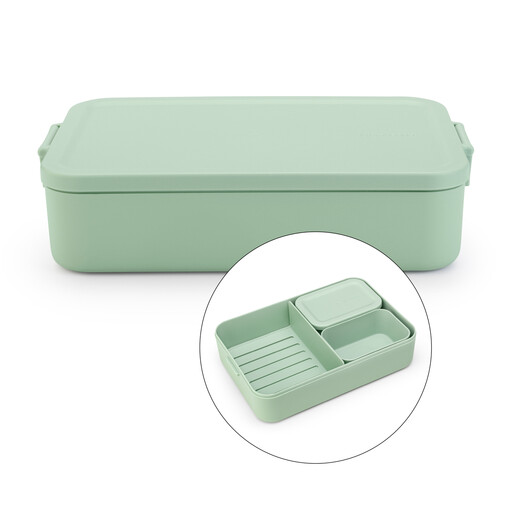
Why This Fits Their Persona: Perfect for the organised individual who enjoys a varied lunch. This large bento box accommodates sandwiches, wraps, salads and snacks, keeping everything separate and fresh.
The high-quality plastic material is resistant to staining and odours. Its secure clips are designed for solid foods, avoiding the "leak-proof" trap associated with liquids, while keeping contents safely contained.
A generous 2L capacity with a divider and two separate containers offers excellent organisation. It is also microwave, dishwasher and freezer safe for maximum convenience.
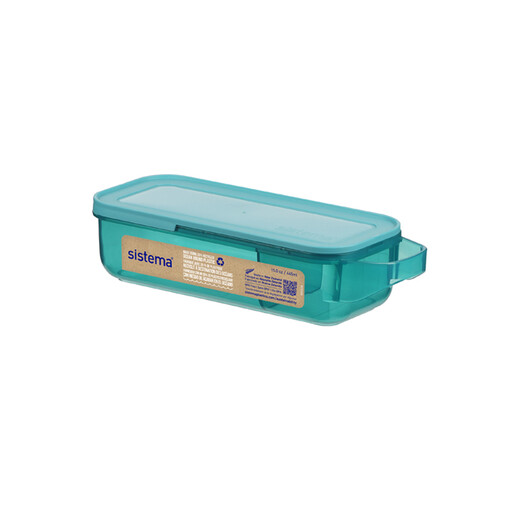
Why This Fits Their Persona: This is an excellent choice for the environmentally conscious user who needs a compact container for snacks, fruit or a small packed lunch, and wants to reduce their reliance on single-use plastics.
This container avoids the material breakdown pitfall by using durable, recycled BPA-free plastic. Its purpose as a snack box means it doesn't over-promise on being leak-proof for liquids, focusing instead on keeping solid foods fresh.
Made with 35% recycled ocean-bound plastic, it's a sustainable choice. The divided compartments are great for separating items like nuts and berries.
We have compiled a complete, real-time list of products that fully satisfy these strict selection criteria and UK safety regulations.
For maximum performance from your insulated food jar, pre-heat it before adding your food. Fill it with boiling water, secure the lid and let it stand for 5-10 minutes. Pour out the water and immediately add your hot food. This simple step warms the interior walls and can significantly extend the time your food stays hot.
Both are high-quality, food-safe stainless steels. The primary difference is that 316 stainless steel contains molybdenum, which enhances its resistance to corrosion from salt and acids. If you regularly pack salty soups, tomato-based sauces or other acidic foods, a 316 steel container offers superior long-term durability. For most other uses, 304 steel is perfectly adequate.
It depends entirely on the material. Never place any metal, including stainless steel lunch boxes, in a microwave. Many plastic bento boxes are designed to be microwave-safe, but you must always check the manufacturer's instructions. Look for a microwave-safe symbol, usually found on the bottom of the container. Always ensure the lid is removed or vented before heating.