
24/7 全天候客户支持

免费退货

当日/次日达

品质保障

开启新人专享福利: 全场免邮 | 低至 2 折 | 免费试用 30 天 JoyPlus 会员
下载 Joybuy
Packing your own lunch is a smart move. It’s often healthier, more affordable and kinder to the environment than buying pre-packaged meals. But choosing the right lunch box can be surprisingly tricky. The market is flooded with options, and it's easy to end up with a container that leaks, stains or simply doesn't suit your needs.
As the Joybuy Product Recommendation Officer, my role is to help you navigate these choices. We'll look past the marketing claims and focus on what truly matters, helping you find a lunch container that works for you, day in and day out.
Before you buy, be aware of these common issues that can turn a promising purchase into a cupboard-cluttering regret:
To avoid these pitfalls, focus on a few key specifications. Getting these right is the foundation of a good purchase.
The material of your lunch box affects its durability, cleaning and how it interacts with your food.
A truly leak-proof lunch container depends entirely on its sealing mechanism. Don't just look for a lid that fits; inspect the design. The most reliable systems feature a flexible silicone gasket fitted inside the lid, combined with sturdy locking clips on two or four sides. This creates firm, even pressure that forms a watertight seal, keeping liquids securely contained.
Consider what you'll be packing most often.
Based on these practical considerations, here are a few options matched to different needs and lifestyles.
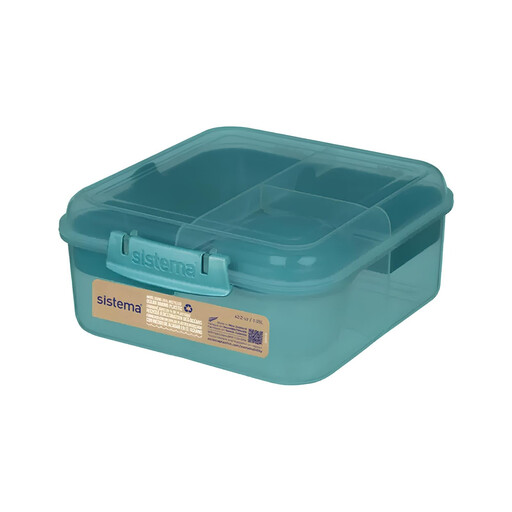
Why This Fits Their Persona: This is for the person who wants a versatile, everyday container that aligns with their environmental values. It's lightweight for the commute, microwave-safe for reheating at the office and the compartmentalised design is perfect for a varied lunch.
It includes a separate 150ml seal-tight pot, specifically designed for yoghurts or dressings, directly solving the "leak-proof illusion" for liquids.
Made with 35% recycled ocean-bound plastic. Features multiple compartments and easy-locking clips with a flexible seal.

Why This Fits Their Persona: Ideal for those who love taking leftovers like soup, chilli or curry for lunch. This flask is built specifically to keep hot food hot for hours, removing the need to queue for the office microwave.
The 304 stainless steel construction completely avoids the staining and odour trap. Its vacuum-insulated design and secure screw-top lid are purpose-built for transporting hot liquids safely.
Features vacuum insulation for temperature retention and a wide mouth for easy filling and cleaning. The 1.4L capacity is generous.
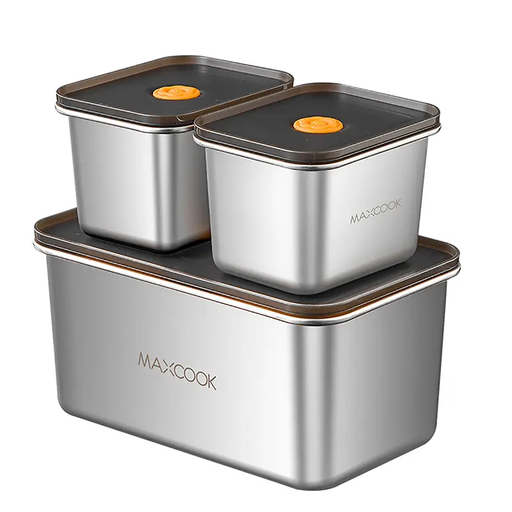
Why This Fits Their Persona: This set is for the person who preps meals in advance. The three different sizes are perfect for storing main courses, sides and snacks separately in the fridge. The stackable design saves space and the durable steel is ideal for long-term use.
By providing separate containers, it completely solves the "compartment conundrum" of flavours mixing. The premium 304 stainless steel is impervious to stains and odours, ensuring food tastes fresh every time.
A versatile 3-piece set with secure, sealed lids. The stackable, space-saving design is excellent for refrigerator organisation and meal prep.
We have compiled a complete, real-time list of products that fully satisfy these strict selection criteria and UK safety regulations.
No, you must never put any metal, including a stainless steel lunch box, in a microwave. It is a fire hazard and can severely damage your appliance. If you need to reheat food, you should transfer it to a microwave-safe dish first.
To minimise staining, especially from tomato-based sauces, it's helpful to lightly coat the inside of the plastic container with a little cooking oil or spray before adding the food. Rinsing the box immediately after use, rather than letting it sit, also makes a significant difference. For stubborn stains, making a paste of bicarbonate of soda and water and leaving it in the container overnight can help lift the colour.
The primary difference is structure. A regular lunch box is typically a single open container. A bento box, originating from Japan, is specifically designed with multiple compartments or includes smaller, removable containers. The goal of a bento is to hold a complete, balanced meal with several different food items that are kept separate, organised and visually appealing.