
24/7 Customer Support

Free returns

Same-day & Next-day Delivery

Quality Guaranteed

Unlock Your Welcome Offers: FREE Delivery | Up to 80% OFF | Free 30-day JoyPlus trial
Download the APP
As a Joybuy Product Recommendation Officer, my role is to help you navigate your shopping choices with clear, practical advice. Luncheon meat, a classic pantry staple, offers convenience and versatility for countless quick meals. However, not all tinned meat is created equal. A stroll down the supermarket aisle reveals a huge variety, and it's easy to end up with a product that doesn't meet your expectations for flavour, texture or value.
This guide will help you understand the key factors to consider, so you can stock your cupboards with confidence, whether you're planning a camping trip, a quick weekday breakfast or simply need reliable quick meal ingredients on hand.
Before you buy, be aware of a few common issues that can lead to disappointment. Understanding these will help you sidestep the marketing hype and choose a product that genuinely suits your needs.
To ensure you get a quality product, focus on these three non-negotiable parameters. A quick check of the label can tell you everything you need to know.
The percentage of meat is the most reliable indicator of texture and quality. Look for products with a high meat content, typically above 80%. The type of meat also defines the product. Chopped pork and ham is the classic formulation, known for its firm, sliceable texture. Other options include chicken, which is often leaner, and corned beef, which is made from salt-cured beef brisket and has a distinctly flaky, shredded texture rather than a smooth one.
Pay attention to the 'per 100g' values on the nutritional panel.
The world of tinned meat has expanded to cater for various needs. If you follow a specific diet, look for clear labelling.
Based on the criteria of high meat content, balanced flavour and versatility, here are a few recommendations tailored to different UK households.

Why This Fits Their Persona: For those who grew up with the iconic taste, this is the go-to for a classic fry-up or a simple sandwich. Its familiar, savoury flavour and firm texture are exactly what they expect from traditional luncheon meat.
With a high meat content of 89% pork and 2% ham, it delivers the firm, sliceable texture that avoids the mushiness of lower-quality products. The flavour is balanced and savoury, not just salty.
Its consistent quality means it slices cleanly for sandwiches and fries to a perfect golden-brown crisp every time, making it highly reliable for classic recipes.
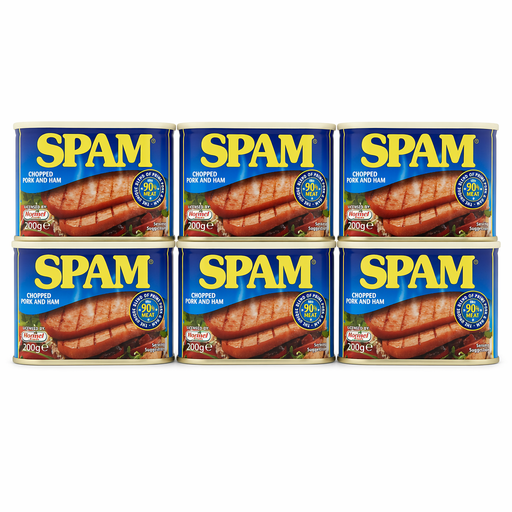
Why This Fits Their Persona: This spam multipack is ideal for stocking the pantry. It offers great value and ensures there is always a quick and easy meal option available for busy weeknights, making it one of the most practical pantry staples.
Buying a trusted brand in bulk avoids the quality gamble of unknown, cheaper alternatives that often suffer from a mushy texture. The 200g tub size is also practical for a single meal, reducing food waste.
Offers a lower cost-per-unit compared to single purchases. The resealable plastic tub is a convenient modern update on the traditional can, making storage of leftovers simpler.
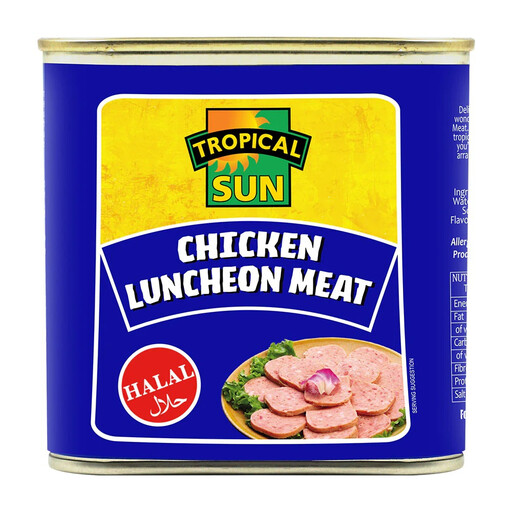
Why This Fits Their Persona: This product is specifically for consumers seeking a Halal-certified option. It provides the convenience of traditional luncheon meat while adhering to important dietary requirements, making it an inclusive choice for many UK households.
The clear Halal certification removes any ambiguity. Made with 60% chicken meat, it offers a poultry-based alternative to pork, catering to both dietary and taste preferences without compromising on a firm texture.
It's a versatile chicken-based product that works well in stir-fries, sandwiches and fried rice. Unlike some pork luncheon meats, this one requires cooking, ensuring it's served hot and crisp.
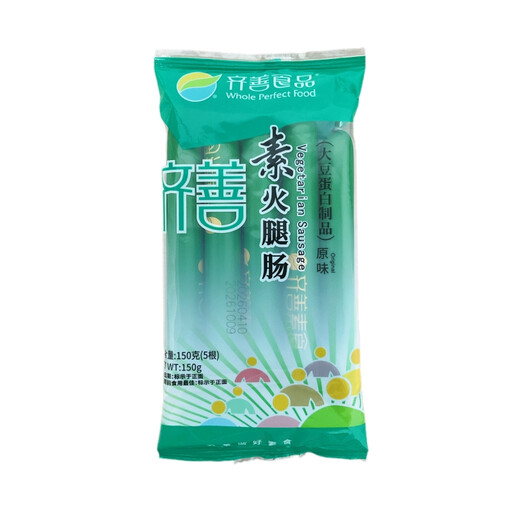
Why This Fits Their Persona: Perfect for vegetarians, vegans or anyone reducing their meat intake. This vegetarian luncheon meat provides the convenience and texture of the classic product, making it easy to create plant-based versions of favourite recipes.
As a 100% plant-based product, it sidesteps issues of meat quality entirely. It uses separated soy protein to achieve a firm, chewy texture that mimics meat, avoiding the filler-induced mushiness of poor-quality tinned meat.
It is ready-to-eat straight from the packet and contains zero cholesterol. Its versatility allows it to be pan-fried, grilled or added to hot pots, making it a flexible modern pantry staple.
We have compiled a complete, real-time list of products that fully satisfy these strict selection criteria and UK safety regulations.
Once you have opened a can or tub of luncheon meat, it is important to store it correctly. Transfer any unused portion to a non-metallic, airtight container and place it in the refrigerator. It should be consumed within two to three days to ensure it remains fresh and safe to eat.
Most traditional pork-based luncheon meats, like chopped pork and ham, are fully cooked during the canning process and are safe to eat cold, directly from the packaging. This makes them great for quick sandwiches. However, many people find the flavour and texture are enhanced by cooking. Always check the label, as some varieties, particularly certain chicken or turkey products, may specify that they require cooking before consumption.
Although both are popular types of tinned meat, they are very different. Luncheon meat is typically made from finely minced meat (usually pork) that is seasoned, mixed with starch and pressed into its familiar block shape, giving it a smooth, uniform texture. In contrast, corned beef is made from whole cuts of beef brisket that are cured in a salt brine (a process known as "corning"). This results in a product with a distinctly stringy, flaky texture that is ideal for making hash.