
24/7 Customer Support

Free returns

Same-day & Next-day Delivery

Quality Guaranteed

Unlock Your Welcome Offers: FREE Delivery | Up to 80% OFF | Free 30-day JoyPlus trial
Download the APP
From a comforting bowl of mac and cheese on a rainy Tuesday to a vibrant pasta salad for a weekend picnic, macaroni is a true pantry hero. Yet, a quick look at the pasta aisle reveals a surprisingly wide array of choices. You'll find everything from affordable bags to premium Italian imports and locally-produced organic options.
Navigating these choices can be time-consuming. This guide is designed to help you understand the key differences in macaroni pasta and identify a suitable option for your kitchen, whether you're feeding a family on a budget or crafting a gourmet meal.
Before we look at specific products, here are a few key factors to consider that can significantly impact the quality and enjoyment of your final dish.
Have you ever noticed how some pastas seem to grip sauce beautifully, while others let it slide right off? The secret often lies in the manufacturing process. Many mass-produced pastas are extruded through Teflon dies, which creates a very smooth, uniform surface.
In contrast, traditional Italian macaroni is often made using a bronze die. This method creates a rougher, more porous texture on the pasta's surface. This micro-texture is ideal for catching and holding onto sauces, ensuring every bite is full of flavour. If you're making a rich, creamy sauce, a bronze die pasta can make a noticeable difference.
The foundation of any good dried macaroni is its flour. The standard for high-quality pasta is 100% durum wheat semolina. This hard wheat variety is high in protein, which helps the pasta maintain its shape and achieve that desirable "al dente" (to the tooth) bite when cooked.
For those who prioritise sourcing, organic macaroni is a great choice. This means the wheat was grown without the use of synthetic pesticides and fertilisers. Furthermore, most dried macaroni is naturally a vegan pasta, as the typical recipe is simply durum wheat and water. However, it's always wise to check the ingredients list, as some fresh or specialty pastas may contain egg.
The classic elbow shape of macaroni is no accident. The hollow tube is perfect for capturing and holding onto cheese sauce, making it the definitive choice for the ultimate macaroni for mac and cheese. The curve helps it scoop up even more goodness, delivering a satisfyingly cheesy mouthful every time. While versatile enough for bakes, soups and cold salads, its performance in a cheese sauce is where this shape truly shines.
Here are three distinct macaroni products available in the UK, each catering to different priorities and cooking styles.
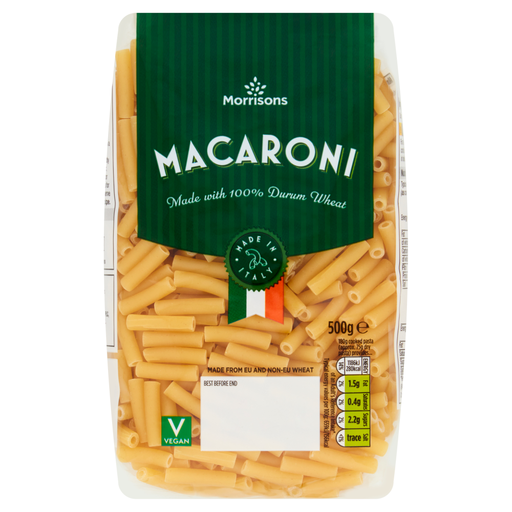
Why It Stands Out: This is a straightforward, reliable and affordable option that delivers on the fundamentals. It’s an excellent choice for a versatile pantry staple that can be used for a wide range of family meals without breaking the bank.
Pros:
Who is it for? This macaroni is ideal for budget-conscious families, students and anyone who needs a reliable, all-purpose pasta for weekly meals.
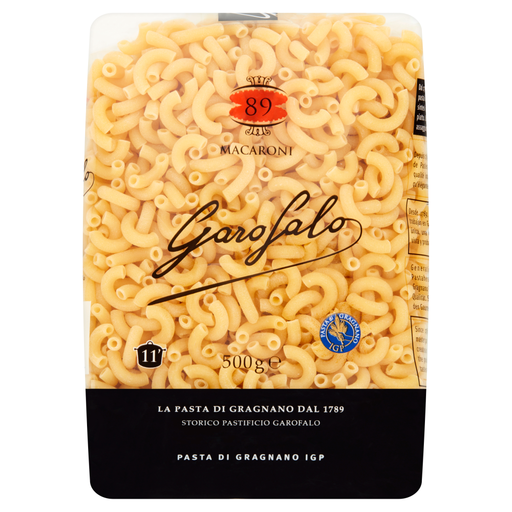
Why It Stands Out: Hailing from Gragnano, Italy—a town renowned for its pasta-making heritage—Garofalo offers a premium experience. It is crafted using a bronze die, which gives it a distinctively rough surface designed to cling to sauces for a more flavourful dish.
Pros:
Who is it for? This is for the home cook who appreciates the finer details and wants to elevate their pasta dishes. It’s an excellent choice for a gourmet macaroni for mac and cheese or any recipe with a rich, high-quality sauce.
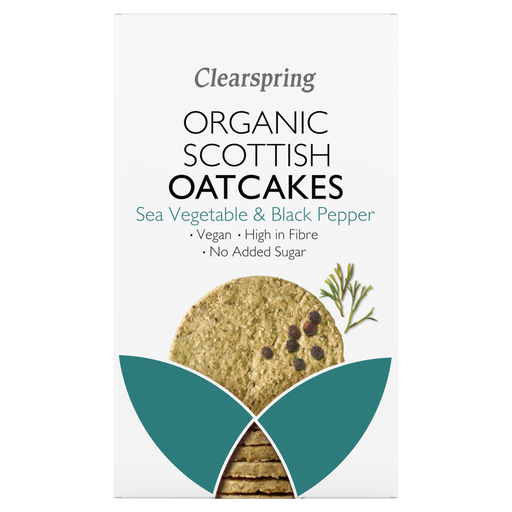
Why It Stands Out: This macaroni offers a unique proposition: it's both organic and produced right here in the UK. For shoppers who prioritise organic ingredients and supporting local producers, this is a standout choice.
Pros:
Who is it for? This is the perfect organic macaroni for discerning food enthusiasts who value ingredient provenance, organic certification and wish to support UK-based producers.
Our recommendations cover three excellent but different types of macaroni. If you're searching for gluten-free alternatives, different pack sizes, or other pasta shapes, there are many more choices available. To see a wider selection, feel free to explore our full range of macaroni.
1. What is the difference between macaroni and other pasta shapes? Macaroni is a type of pasta cut into short, narrow tubes. The most common form in the UK is elbow macaroni, which is curved. This shape distinguishes it from straight-cut tubular pastas like penne or ziti and long pastas like spaghetti or fettuccine. Its small, hollow shape makes it particularly good for creamy, baked dishes.
2. Is most dried macaroni pasta vegan? Yes, the vast majority of dried macaroni is a vegan pasta. The standard recipe consists of only durum wheat semolina and water. However, it's always best practice to double-check the ingredients list on the packaging, especially for fresh pasta or specialty products, which can sometimes include egg.
3. Should you rinse macaroni after cooking? For most hot dishes, especially macaroni for mac and cheese, you should not rinse the pasta. The starchy film on the surface of cooked pasta helps the sauce adhere to it, creating a richer, more cohesive dish. The only time you might consider rinsing is if you are making a cold pasta salad and want to cool it down quickly and stop the cooking process.