
24/7 Customer Support

Free returns

Same-day & Next-day Delivery

Quality Guaranteed

Unlock Your Welcome Offers: FREE Delivery | Up to 80% OFF | Free 30-day JoyPlus trial
Download the APP
Malt drinks hold a special place in many UK households, offering everything from a taste of Caribbean heritage to a comforting, nutritious bedtime drink. However, the growing variety on shop shelves can make choosing the right one difficult. A non-alcoholic malt drink that promises an energy boost might just be a sugary disappointment, while a classic chocolate malt powder might not deliver the authentic flavour you remember.
As the Joybuy Product Recommendation Officer, my role is to help you navigate these choices. This guide cuts through the clutter to focus on what truly matters, helping you avoid common pitfalls and find a malt beverage that perfectly suits your needs.
Before you buy, be aware of these frequent issues that can lead to a disappointing purchase:
energy malt beverage, but this energy often comes from a high concentration of simple sugars. This can result in a brief spike followed by a crash, rather than the sustained release you might be looking for. A truly nourishing malt drink should have a balanced profile, with energy derived from the complex carbohydrates in the malt itself.Caribbean malt drink can mean very different things depending on the brand. Some are intensely sweet and lightly carbonated, while others offer a deep, roasted, almost savoury flavour. If you're seeking a specific taste linked to cultural heritage or nostalgia, buying the wrong one can be a letdown. Similarly, the balance of chocolate and malt in a chocolate malt powder can vary significantly.To ensure you get a product you'll enjoy, pay close attention to these two key parameters on the label.
The foundation of any malt drink is, of course, the malt. The type and format dictate the flavour, texture and preparation method.
Supermalt and Maltina. They are convenient and best served chilled, making them an excellent non-alcoholic option for social gatherings or a quick refreshment.Ovaltine powder, Horlicks and the Milo drink often use a blend of malted barley and malted wheat. These malted milk powders require mixing with milk or water. They offer great versatility—you can adjust the strength and enjoy them hot or cold. They are also generally more economical on a per-serving basis.Always check the nutritional information, specifically the "Carbohydrates, of which sugars" line. This tells you exactly how much sugar is in the product, separating it from the complex carbohydrates in the malt. A high sugar content (e.g., over 10g per 100ml in a liquid or 40g per 100g in a powder) indicates that sweetness is a primary component, which may not be what everyone wants. Also, scan the ingredients list for the position of sugar; the higher up it is, the more of it there is in the product.
Based on these practical criteria, here are some malt drinks matched to different needs and preferences.
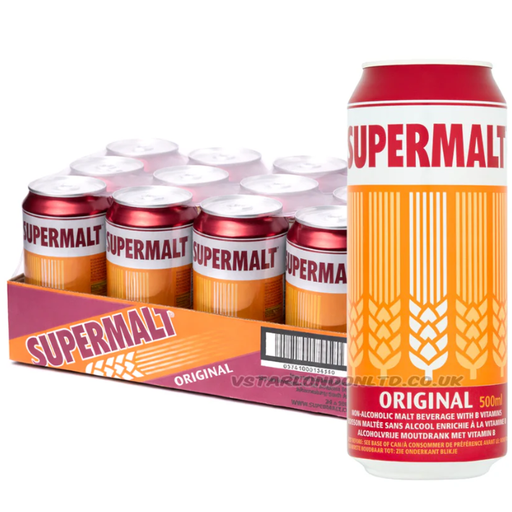
Why This Fits Their Persona: For those with African and Caribbean heritage, Supermalt is an iconic brand that delivers the authentic, rich and slightly sweet flavour they know and love. It's a staple at family gatherings and a go-to non-alcoholic malt drink for a taste of home.
It avoids the inconsistent flavour pitfall by providing the benchmark taste that many other brands are compared against. Its profile is robust and malty, not just sugary.
Made with barley malt for a rich, smooth taste and enriched with B vitamins. The 12-pack format is convenient for stocking up.
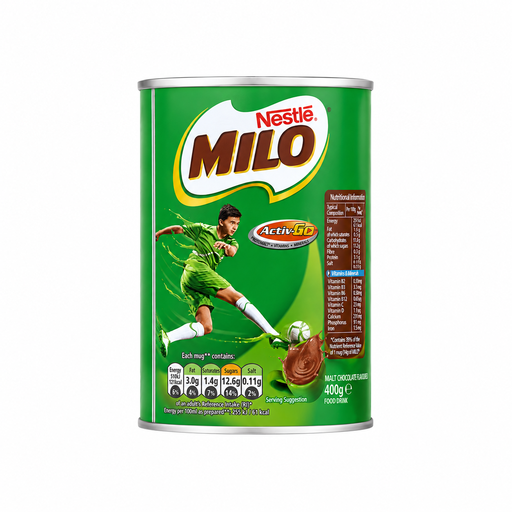
Why This Fits Their Persona: Milo is a classic choice for families, loved by both children and adults. It provides a comforting chocolate malt flavour and is fortified with vitamins and minerals, making it a popular choice for breakfast or as an after-school drink.
While it contains sugar, its primary ingredient is malt extract. The "energy" it provides is positioned for active lifestyles and is balanced with nutrients like calcium and iron, moving beyond a simple sugar rush.
Highly versatile powder format can be served hot or cold and mixed to your preferred strength. It's an economical choice for daily consumption.
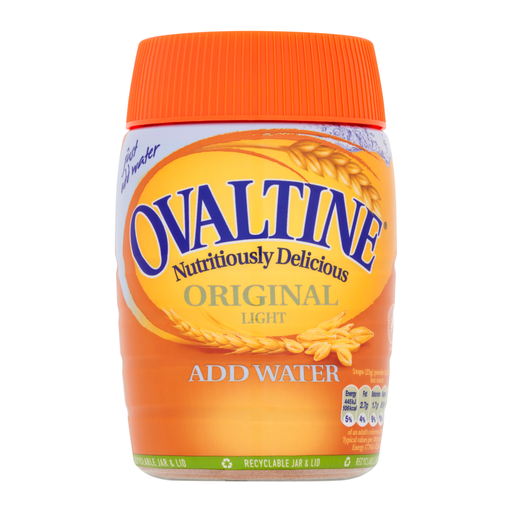
Why This Fits Their Persona: This option is ideal for those who love the comforting taste of a malted drink but are mindful of their fat intake. It's designed to be mixed with water, making it a convenient and lighter alternative to traditional milk-based malted drinks.
It directly addresses the desire for a less indulgent option. The "Light" label is backed by a claim of at least 30% less fat than standard malted drinks, and it uses a sweetener (Acesulfame K) to manage the sugar profile.
Fortified with a wide range of vitamins and minerals, including iron and vitamins C, B6 and B12. The "just add water" formula offers maximum convenience.
We have compiled a complete, real-time list of products that fully satisfy these strict selection criteria and UK safety regulations.
The malt drinks discussed in this guide, such as Supermalt, Milo and Ovaltine, are all non-alcoholic. The term "malt" refers to germinated cereal grains, most commonly barley, which is an ingredient in both beer and these beverages. However, these drinks do not undergo the fermentation process that produces alcohol, making them suitable for all ages.
Both are popular non-alcoholic malt drinks with roots in the African and Caribbean communities. While they share a similar concept, their flavour profiles and ingredients differ slightly. Supermalt, originating in Denmark, has a very rich, distinctively sweet and robust flavour. Maltina, a Nigerian brand, often includes sorghum alongside barley malt, which can give it a slightly different, sometimes lighter, taste. Both are fortified with vitamins.
Powdered malt drinks can be part of a balanced daily diet. They are often fortified with vitamins and minerals, which can contribute to your daily nutrient intake. However, it is important to be mindful of the sugar content, especially if you are adding extra sugar or consuming multiple servings per day. Preparing them with milk instead of water can also add nutritional value, such as calcium and protein. As with any food or drink, moderation is key.