When the sun is shining or you simply fancy a taste of the tropics, few things satisfy quite like a mango ice lolly. But the freezer aisle presents a wide array of choices, from light and fruity mango popsicles to rich, creamy mango ice cream sticks. Navigating these options to find the one that perfectly suits your craving can be a challenge.
As your Joybuy Product Recommendation Officer, my role is to help you make informed choices. This guide cuts through the clutter, offering practical advice and highlighting some excellent options to help you find your new favourite frozen treat.
How to Choose Your Ideal Mango Lolly
Before you fill your basket, consider what you're looking for in a frozen dessert. A few key factors can help you narrow down the selection.
Fruity Refresher or Creamy Indulgence?
The first decision is often about texture and richness. Are you in the mood for something light and thirst-quenching, or something more decadent?
- Water-Based Lollies: Often sold as real fruit ice lollies or mango popsicles, these are made primarily from water, fruit juice or purée. They are typically lower in calories and offer a sharp, refreshing fruit flavour.
- Milk or Cream-Based Lollies: These include creamy mango lollies and mango ice cream sticks. Made with milk, cream or yoghurt, they have a smoother, richer texture and a more indulgent taste. This category also includes traditional desserts like mango kulfi, which is known for its dense and creamy consistency.
Checking the Label: Dietary Needs and Ingredients
For many, what's inside the lolly is just as important as the taste. If you have specific dietary requirements or preferences, always check the packaging.
- Calorie Content: If you're looking for a lighter treat, many brands offer low calorie ice lollies. Water-based options are generally a good place to start.
- Allergens: It's becoming easier to find gluten free ice lollies, but cross-contamination can be a risk. Always check the ingredients list and allergen warnings for mentions of milk, nuts, soya or eggs if these are a concern for you.
Consider the Occasion: Solo Treat or Family Pack?
Finally, think about who you're buying for. Many lollies come in multi-packs, which are great for sharing. A family pack ice lollies option is ideal for stocking the freezer for sunny days, parties or after-school treats.
Top Mango Ice Lolly Picks
Based on factors like ingredients, texture and overall experience, here are a few standout options to consider.
Rowntrees Mango Stick 4x70ml
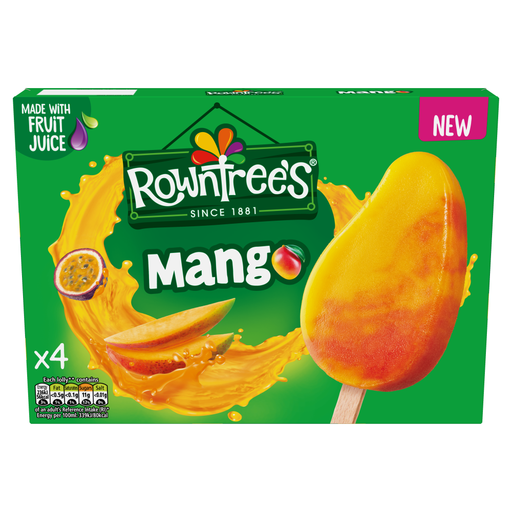
- Why It Stands Out: This is a classic water-ice lolly that delivers a pure, refreshing fruit flavour. Made with real fruit juice and no artificial colours or flavours, it’s a straightforward and satisfying choice. The combination of mango and passion fruit provides a balanced sweet and tangy taste.
- Pros:
- Contains just 56 calories per lolly.
- Made with real fruit juice for an authentic flavour.
- Gluten-free and suitable for vegetarians.
- Comes in a family-friendly pack of four.
- Who is it for: Families and individuals looking for a light, refreshing and low-calorie treat. It's an excellent choice for cooling down on a warm day without the richness of an ice cream.
Haagen-Dazs Mango & Passionfruit Ice Cream Sticks 3 x 80ml
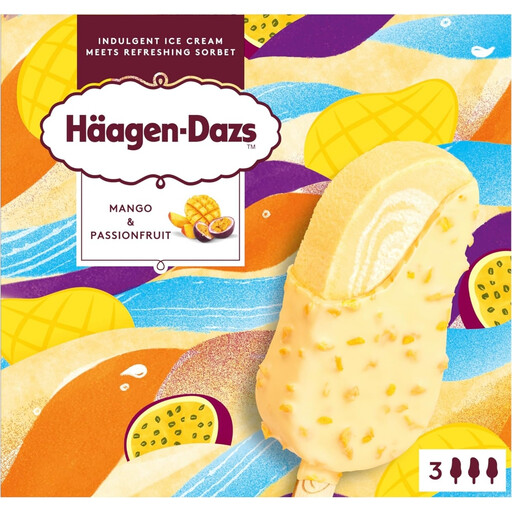
- Why It Stands Out: This is a truly indulgent option for those who want a more complex dessert experience. It features a core of mango ice cream and passionfruit sorbet, all coated in cracking white chocolate with mango pieces. The layers of flavour and texture make it a sophisticated treat.
- Pros:
- A luxurious combination of creamy ice cream, tangy sorbet and rich white chocolate.
- Made with quality ingredients like fresh cream and real fruit purées.
- Gluten-free and Kosher certified.
- Who is it for: Anyone seeking a premium, dessert-style ice cream stick. It’s perfect for an evening indulgence or a special treat rather than a simple thirst-quencher.
Kulfi Ice Mango Milk Lollies 5pk 350ml
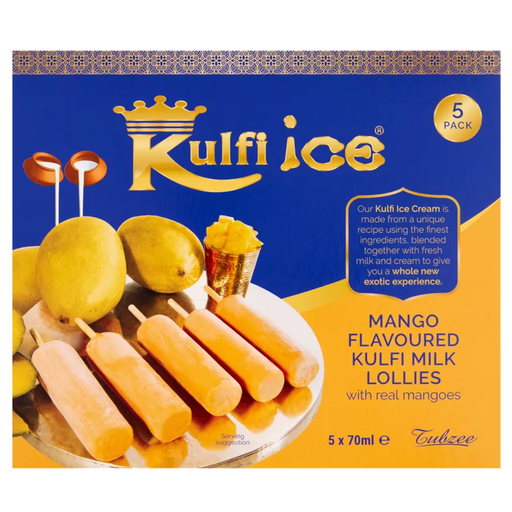
- Why It Stands Out: This lolly offers an authentic taste of traditional South Asian mango kulfi. Made with whole milk and 25% mango pulp, it has a uniquely dense, rich and creamy texture that melts slowly. It’s less airy than typical ice cream, providing a substantial and flavourful experience.
- Pros:
- Authentic kulfi recipe with a high percentage of real mango pulp.
- Very creamy and dense texture for a satisfying dessert.
- Comes in a family pack of five, ideal for sharing.
- Who is it for: Those who love traditional desserts or are looking for an authentic, exotic flavour. It’s an excellent choice for anyone who prefers a richer, creamier frozen treat over a water-ice.
Looking for More Mango Inspiration?
If these lollies have you craving even more tropical flavours, there's a whole world of treats to discover. From sorbets and ice cream tubs to cheesecakes and fruit pots, you can find your next favourite.
Explore our full range of mango desserts to find the perfect treat for any occasion.
Frequently Asked Questions About Mango Ice Lollies
What is the difference between a mango ice lolly and a mango kulfi?
A standard mango ice lolly is typically either a water-ice made from frozen juice or a lighter ice cream on a stick. A mango kulfi, on the other hand, is a traditional frozen dessert from the Indian subcontinent. It's made by slowly simmering milk to thicken it, which results in a much denser, creamier and less aerated product than ice cream.
Are mango ice lollies a low-calorie choice?
It depends entirely on the product. Water-based real fruit ice lollies, like the Rowntrees Mango Stick at 56 calories, can be a great low calorie ice lollies option. Cream-based mango ice cream sticks or kulfi will naturally be higher in calories due to the milk, cream and sugar content. Always check the nutritional information on the pack to make an informed choice.
Where can I find gluten-free mango ice lollies?
Many mango lollies are made without gluten-containing ingredients. Both the Rowntrees and Haagen-Dazs options listed here are noted as gluten free ice lollies. However, it is always essential to read the allergen statement on the packaging, as some products may be made in factories that handle gluten, posing a risk of cross-contamination.


