
24/7 Customer Support

Free returns

Same-day & Next-day Delivery

Quality Guaranteed

Unlock Your Welcome Offers: FREE Delivery | Up to 80% OFF | Free 30-day JoyPlus trial
Download the APP
A good marinade can transform a simple cut of meat or a handful of vegetables into a memorable meal. But with so many options available when you look to buy marinades online, it's easy to end up with a product that promises the world but delivers little more than salty, sugary water. As a Joybuy Product Recommendation Officer, my role is to help you see past the marketing hype and choose a marinade that genuinely enhances your cooking.
Before you add another bottle to your basket, let's look at the common pitfalls that lead to disappointing dinners and how to sidestep them.
The "All Sugar, No Substance" Trap: Many commercial marinades list water and sugar as their primary ingredients. While sugar is essential for creating a caramelised crust, an over-reliance on it often masks a lack of real flavour. These marinades sit on the surface and burn quickly on the barbecue, leaving the inside of your food bland. They offer a quick hit of sweetness but lack the aromatic depth that makes a dish truly special.
The "Authentic in Name Only" Pitfall: You'll see countless jars labelled tandoori marinade or Korean marinade, but a quick glance at the ingredients reveals a generic blend of flavourings and colourings. A truly authentic marinade will feature specific, recognisable ingredients central to that cuisine—such as gochujang (red pepper paste) in a Korean sauce or a complex blend of coriander, cumin and tamarind in a tandoori paste.
To ensure you're getting a product that will deliver on flavour, focus on these key parameters. They are the non-negotiables for separating the great from the mediocre.
A well-constructed marinade works on multiple levels. It should contain three core components:
The physical form of the marinade dictates its ideal use. Understanding the difference is key to achieving your desired result.
chicken marinade where you want the flavour to soak in over several hours. They work well for less intense cooking methods like baking or pan-frying.tandoori marinade or a sticky bbq marinade, is designed to cling to the surface of food. This creates a concentrated layer of flavour that forms a delicious crust when grilled or roasted, making it an excellent marinade for ribs.Instead of a generic list, we've matched some standout options to the home cooks who will appreciate them most.
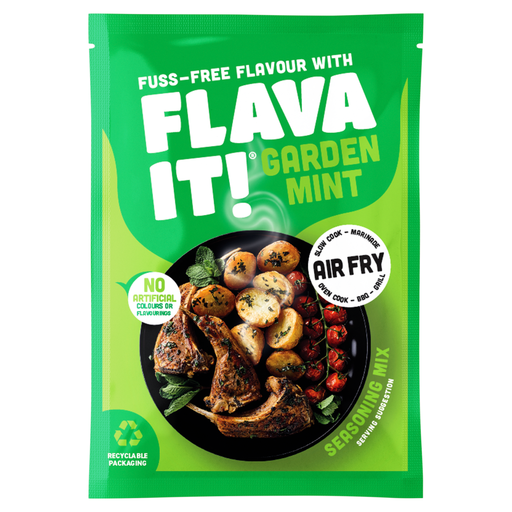
Why This Fits Their Persona: For busy UK households, this dry seasoning provides a classic garden mint flavour that's perfect for a quick and easy boost to lamb chops or chicken breasts without the fuss of a wet marinade. It's cost-effective and simple to use.
As a dry mix, it completely avoids the "sugary water" trap. You control the application and can mix it with a quality oil, giving you full authority over the final texture and flavour intensity.
Extremely versatile and affordable. The ingredient list is straightforward, with dried mint (3.6%) providing a recognisable flavour.
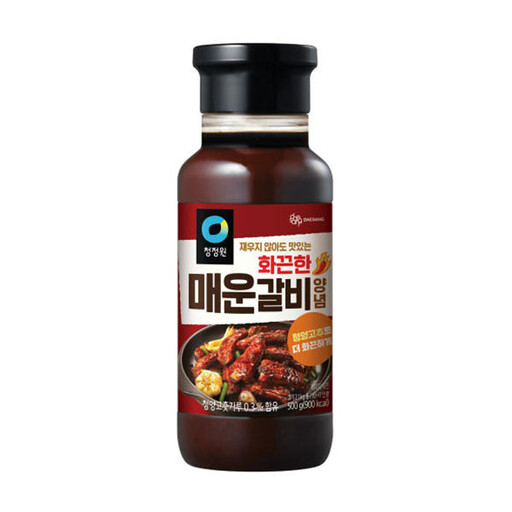
Why This Fits Their Persona: This is a purpose-built `spicy marinade` for anyone serious about their barbecue. Its thick texture is perfect as a `marinade for ribs` or chicken wings, creating that sticky, charred glaze that is the hallmark of great Korean BBQ.
It sidesteps the "authentic in name only" trap by using Red Pepper Paste as a core ingredient. This provides a genuine, complex heat and flavour that can't be replicated with generic chilli powder.
The thick consistency ensures it clings to meat for a perfect glaze. It delivers a balanced sweet, savoury and spicy `Korean marinade` flavour profile.
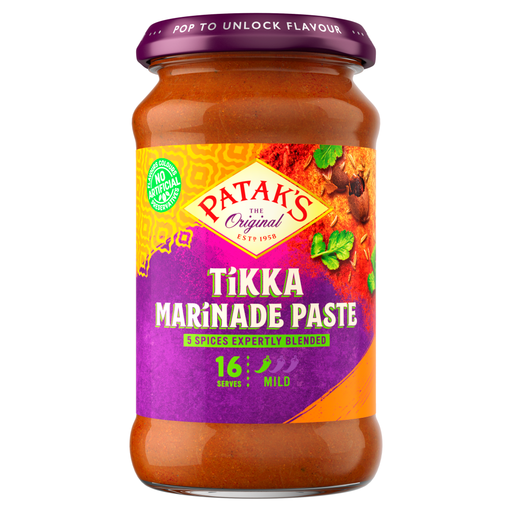
Why This Fits Their Persona: For the home cook aiming to replicate authentic Indian restaurant flavours, this `tandoori marinade` paste is an excellent starting point. It's designed to be mixed with yoghurt for a traditional preparation, giving you control over the final consistency.
This product's ingredient list is a clear indicator of its quality. With ginger purée (22%), ground spices (12%) including coriander and cumin and tamarind (8%), it demonstrates a commitment to a complex, authentic flavour profile.
A concentrated paste format that offers authentic flavour and versatility. It provides a reliable base for creating genuine tandoori dishes at home.
We have compiled a complete, real-time list of products that fully satisfy these strict selection criteria and UK safety regulations.
1. How long should I marinate food for? This depends on what you are cooking. For delicate items like fish and vegetables, 15-30 minutes is often enough. For a chicken marinade, 2 to 6 hours is ideal. For tougher cuts of meat like beef or lamb for a bbq marinade, you can marinate for up to 24 hours in the refrigerator for maximum flavour penetration.
2. Can I reuse a marinade that has had raw meat in it? No, you should never reuse a marinade that has been in contact with raw meat as a finishing sauce or dressing due to the risk of bacteria. If you want to use some of the marinade as a sauce, be sure to set a portion aside before adding the raw meat. Alternatively, you can make it safe by bringing the used marinade to a rolling boil for at least one minute.
3. What is the difference between a teriyaki marinade and a teriyaki sauce? A teriyaki marinade is typically thinner and formulated with ingredients to tenderise and flavour raw food before cooking. A teriyaki sauce is often thicker, with more sugar or starch, and is intended to be used as a glaze during the final stages of cooking or as a dipping sauce after. However, many products can be used for both purposes.