Hosts serving drinks and bakes
Look for a powder with stated uses across the parts of your menu. Clearspring describes its Premium Grade for drinks as well as muffins and ice cream.


For drinks alongside matcha bakes or desserts, choose a powder whose maker explicitly recommends both uses; Clearspring positions its Premium Grade for drinking and home baking. If guests will drink matcha whisked with water, consider a ceremonial product intended for that preparation; if the menu centres on lattes, consider a latte-focused powder instead. Check ingredients in the finished drinks and offer a non-caffeinated option for guests who want one.
The useful starting point is what you plan to serve, rather than the grade printed on the tin.
Look for a powder with stated uses across the parts of your menu. Clearspring describes its Premium Grade for drinks as well as muffins and ice cream.
When matcha with water is the featured drink, prioritise a product intended for plain whisked servings. JING Tea distinguishes this ceremonial route from its matcha for lattes and cooking.
Plan how you will make plain matcha and lattes, check the ingredients in every addition, and have a non-caffeinated drink available.
Set the menu first, then check the powder’s stated uses and the ingredients in each finished serving.
| Priority | What to check | Your needs |
|---|---|---|
| Menu flexibility | Check whether the maker names both drinks and food uses. Clearspring describes its Premium Grade for drinking, lattes, muffins and ice cream; do not assume another powder has the same stated uses. | I’m making matcha drinks and bakes and would rather use one powder across the menu. |
| Serving method | For matcha whisked with water, check for a stated plain-serving use. For milk-based drinks, check the latte instructions; JING Tea distinguishes ceremonial matcha from powders intended to hold their flavour with milk or sugar. | If the drink itself is the centrepiece, I care about its plain-serving style. If guests mainly want lattes, I need a powder intended for those drinks. |
| Caffeine | Check caffeine information for the exact product and the amount used per serving. Do not apply one brand’s figure to another powder; plan a non-caffeinated drink as well. | Some guests may prefer to avoid caffeine or keep track of what they have during the day. |
| Finished ingredients | Read the current powder label and the labels on milk, plant-based alternatives, syrups and baking ingredients. Keep the packs available when preparing drinks and food. | I need to tell guests what is in each serving, including additions that are not part of the matcha powder. |
JING Tea distinguishes matcha intended for plain whisked servings from more robust powders used with milk, sugar or in cooking. A ceremonial label alone does not establish a fit for every recipe.
List the planned servings before buying, and check the maker’s directions for each use you need.
Milk, plant-based alternatives, syrups and toppings change what guests are served. M&S Food describes matcha drinks prepared with several milk choices, including dairy, oat and soya.
Check every current pack, keep ingredients identifiable during preparation and tell guests what went into their drink.
The amount used and the product chosen matter when assessing a serving’s caffeine. Other caffeinated drinks consumed that day also matter to guests monitoring their intake.
Use information for the exact powder and serving you prepare, and offer a non-caffeinated alternative.
These brand examples illustrate serving styles; they are not a claim that every product from a brand has the same ingredients or uses.
Clearspring presents separate Premium Grade and Ceremonial Grade matcha products.
JING Tea distinguishes ceremonial matcha for whisking with water from matcha intended for lattes.
Waitrose & Partners lists a PerfectTed matcha powder, while M&S Food describes PerfectTed matcha in customised café drinks.
These options cover plain matcha drinks, mixed drink-and-food menus and portioned lattes. Check each product’s stated uses against what you plan to serve.
 No image available
The product description names traditional matcha, lattes and smoothies for a drinks menu. If you also plan to bake, check its directions for that use rather than assuming it suits the recipe.
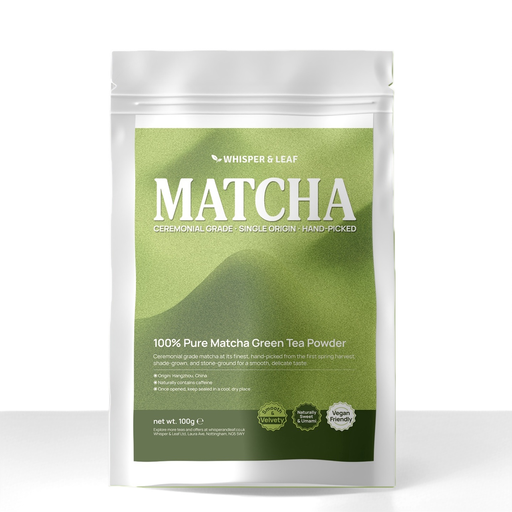 No image available
Presented for traditional matcha preparation, with lattes and smoothies also named in the listing. Check the current pack for serving directions and caffeine information when planning drinks for guests.
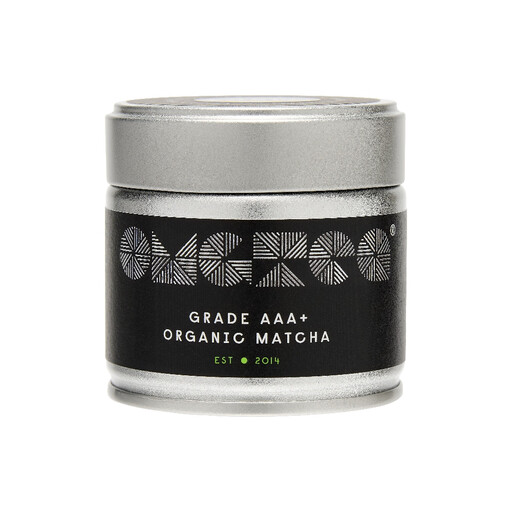 No image available
The product is presented for plain matcha servings. Its directions call for sifting and refrigeration after opening; allow for those steps when preparing and storing it.
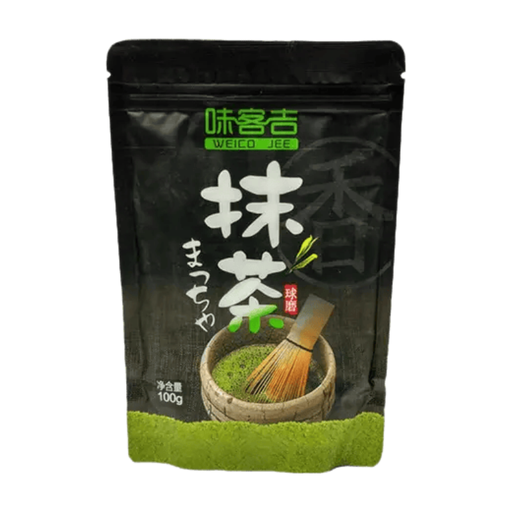 No image available
The product description names lattes, smoothies, baked goods and desserts, making those uses worth checking against your recipes. Read the current pack for ingredients and preparation directions before serving.
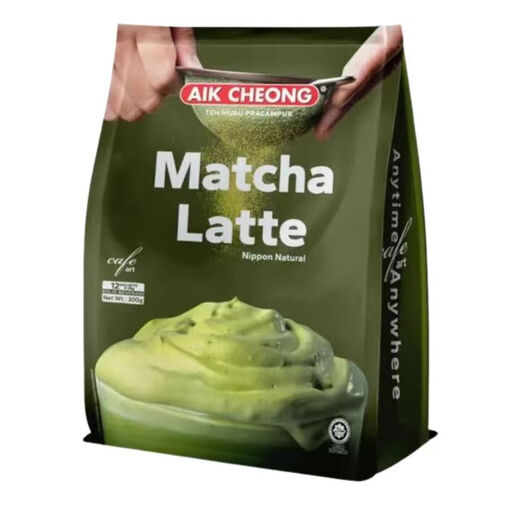 No image available
The portioned sachets suit a menu centred on matcha lattes; the listing describes mixing them with hot water or milk. This is a sweetened latte mix rather than plain matcha powder: check the current ingredient and allergen label, particularly for guests avoiding milk or soya.
Choose a product intended for plain whisked servings. JING Tea distinguishes its ceremonial matcha for this preparation from matcha intended for lattes; check the directions on the exact product you buy.
Yes, if the maker states the uses your menu requires. Clearspring describes its Premium Grade for drinking, lattes, muffins and ice cream; do not assume every ceremonial or latte-focused powder is intended for the same recipes.
Offer a non-caffeinated option when guests may prefer to avoid caffeine. For matcha servings, check information for the exact powder and amount used rather than applying another product’s caffeine figure.
Check the current label of the matcha product and every addition, including milk alternatives, syrups, toppings and baking ingredients. Keep the packs available so you can tell guests what went into each serving.