
24/7 Customer Support

Free returns

Same-day & Next-day Delivery

Quality Guaranteed
Download the APP
Categories
Navigating the world of matcha can feel complex. With terms like ceremonial, culinary, umami and various shades of green, choosing the right matcha powder for your morning latte or quiet moment of reflection can be a challenge. Many products look similar, but the experience they deliver can vary significantly.
This guide is designed to cut through the clutter. As the Joybuy Product Recommendation Officer, my role is to provide clear, practical shopping advice to help you understand the key differences and select a matcha that suits your taste and needs. We will explore what makes a quality matcha and highlight a few standout options available today.
Before diving into specific products, let's cover a few key points that will help you make an informed decision. Understanding these factors is the first step to finding a matcha you will genuinely enjoy.
The most significant distinction in the matcha world is the grade. This is not just marketing terminology; it indicates the leaves used, the flavour profile and the intended use.
Authentic, high-quality matcha almost exclusively comes from Japan, with regions like Uji, Nishio and Shizuoka being particularly famous. Japanese matcha production is a meticulous art form refined over centuries.
Pay close attention to the colour. A high-quality matcha powder should have a brilliant, electric green hue. A dull, yellowish or brownish-green powder often indicates lower quality, older leaves, or improper storage, which will result in a more bitter and less pleasant taste.
The best matcha is simply that: 100% pure green tea powder. Check the ingredients list to ensure there are no added sugars, fillers or milk powders. For those who prioritise production methods, looking for organic matcha green tea certification can provide additional assurance about how the tea was grown and processed.
Based on their features, intended use and overall quality, here are our recommendations to help you find the right matcha for your daily ritual.
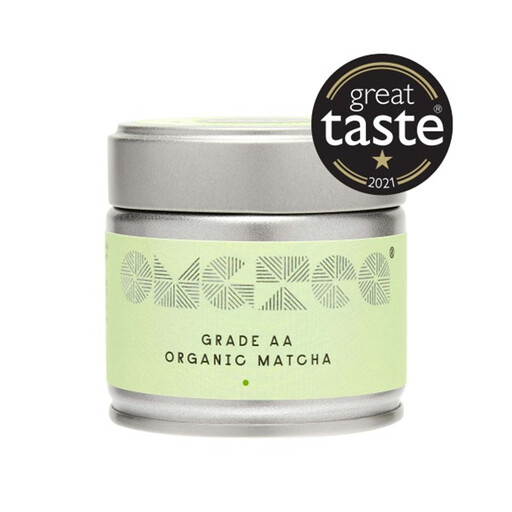
Why It Stands Out: The strength of OMGTea's AA Grade matcha lies in its versatility and organic certification. It sits comfortably between a high-end culinary and an accessible ceremonial grade, making it a fantastic all-rounder for daily use. Its flavour is balanced enough to be enjoyed with water, yet robust enough not to get lost in a latte or smoothie.
Pros:
Who is it for?: This is an ideal choice for the health-conscious individual seeking a reliable, all-purpose organic matcha for their daily routine, whether it's a quick morning drink or an ingredient in a healthy recipe.
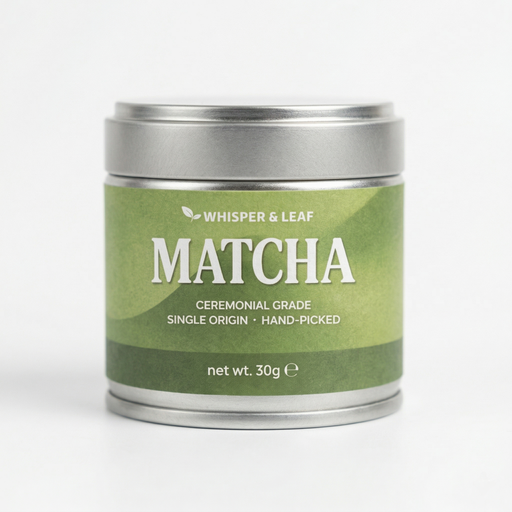
Why It Stands Out: This is a true ceremonial grade matcha, evident in its fine texture, vibrant colour and smooth flavour profile. Sourced from the first spring harvest and milled to an exceptionally fine 1200 mesh, it whisks into a creamy, frothy consistency with ease. The taste is clean and balanced, with a noticeable sweetness and a gentle umami flavour that purists will appreciate.
Pros:
Who is it for?: The matcha enthusiast who enjoys the traditional tea ceremony or desires a top-tier matcha for lattes where the tea's nuanced flavour is the star of the show.
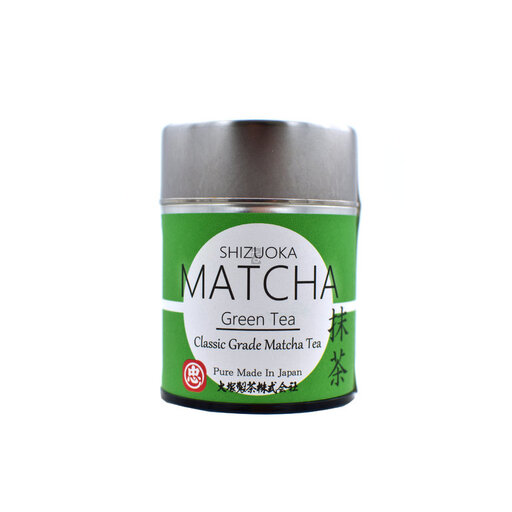
Why It Stands Out: This matcha represents traditional Japanese craftsmanship. Sourced and traditionally stone-ground in Shizuoka, Japan, it offers an authentic experience. The stone-grinding process is slow and deliberate, preserving the full aromatic profile and flavour of the tea leaves. The result is a powder with a silky-smooth texture and a perfectly balanced flavour, harmonising deep umami notes with a refined, pleasant bitterness.
Pros:
Who is it for?: Individuals who value authenticity and the nuanced flavours that come from traditional production methods. It is perfect for those looking to replicate a genuine Japanese tea experience at home.
While our recommendations cover a range of needs from everyday use to ceremonial preparation, the world of matcha is vast and personal preference is key. If you are curious to see more or haven't found the perfect fit yet, you can explore our full collection of green tea powder to discover other grades and origins.
1. What is the difference between matcha and regular green tea powder? The primary difference lies in the cultivation and processing. Matcha is made from shade-grown tea leaves that are de-stemmed and de-veined before being stone-ground into a fine powder. This process enhances its flavour, colour and nutrient content. Regular green tea powder is typically made from sun-grown leaves (and sometimes stems and veins) that are simply ground down, resulting in a more bitter taste and less vibrant colour.
2. How should I store my matcha to keep it fresh? Matcha is sensitive to light, air and heat. To preserve its freshness, colour and flavour, you should store it in an airtight, opaque container. Keep it in a cool, dark place like a cupboard. For optimal freshness after opening, especially with higher-grade matcha, it is often recommended to keep the sealed container in the refrigerator.
3. Can I use ceremonial grade matcha for lattes? Absolutely. Using ceremonial grade matcha for lattes will result in a smoother, creamier and more flavourful drink with less bitterness compared to using a standard culinary grade. While culinary grade is often sufficient, using ceremonial grade elevates the experience, allowing the delicate, sweet notes of the matcha to shine through the milk.